
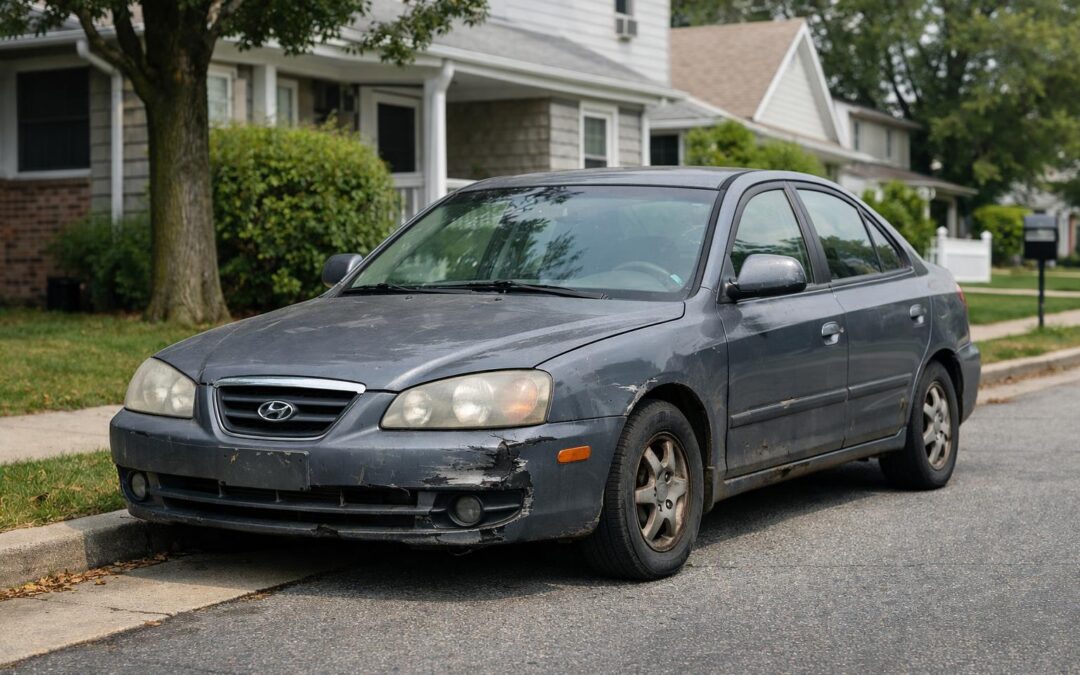
Sell Car With Transmission Problems Long Island: Complete Guide
Table of Contents
- Introduction: Selling a Car With Transmission Problems on Long Island
- Understanding Transmission Problems and Their Impact on Value
- Should You Repair the Transmission Before Selling?
- Best Ways to Sell a Car With Transmission Problems on Long Island
- How to Price a Car With Transmission Issues
- Documents and Information You Need in New York
- Tips to Attract Buyers on Long Island
- Common Mistakes to Avoid When Selling a Damaged Car
- Frequently Asked Questions (FAQ)
- Conclusion: The Smart Way to Sell a Car With Transmission Problems on Long Island
Introduction: Selling a Car With Transmission Problems on Long Island
Selling a car is rarely simple, and it becomes even more challenging when your vehicle has major mechanical issues. If you are trying to sell a car with transmission problems on Long Island, you are dealing with a specific local market, transportation costs, New York state rules, and buyers who are wary of costly repairs.
This guide explains how transmission problems affect your car’s value, whether repairs are worth it, and the practical ways you can sell your vehicle quickly and legally in Nassau or Suffolk County, as well as the broader Long Island area.
Understanding Transmission Problems and Their Impact on Value
The transmission is one of the most expensive components of a car. When something goes wrong, buyers immediately assume high costs and risk. Knowing how serious your transmission issue is will help you decide how and where to sell.
Common Transmission Problems
- Slipping gears or delayed shifting
- Grinding noises or clunking sounds
- Burning smell from transmission fluid
- Difficulty getting into gear
- Transmission warning light on the dashboard
- Total failure: car will not move in drive or reverse
How Transmission Issues Affect Your Car’s Value
On Long Island, buyers know how costly transmission work is, so they typically reduce their offers significantly. The more severe the symptoms, the lower the price. Age, mileage, and brand also influence how much value you lose.
| Condition | Typical Buyer Perception | Approximate Impact on Value |
|---|---|---|
| Minor slipping, still drivable | Repairable, but risky | 20–40% below similar car with no issues |
| Serious shifting issues | Will need major repair soon | 40–60% below normal market value |
| Complete transmission failure | Parts or project car only | 60–80% below normal market value |
These ranges are general estimates, but they illustrate why you must adjust your expectations when you try to sell a car with transmission problems on Long Island.
Should You Repair the Transmission Before Selling?
One of the biggest decisions you face is whether to fix the transmission or sell the car as-is. On Long Island, repair costs and shop availability are real considerations.
Factors to Consider Before Repairing
- Repair cost vs. car value: If a rebuild or replacement costs more than half of the car’s market value in good condition, repair might not make sense.
- Age and mileage: Older, high-mileage vehicles may still attract buyers as parts cars, even with failed transmissions.
- Time: Transmission repair can take days or weeks; if you need quick cash, selling as-is may be better.
- Shop quotes: Long Island labor rates can be high; get multiple quotes from local transmission specialists.
When Repairing Might Make Sense
- The car is relatively new or has low mileage.
- The resale value after repair is significantly higher than the combined cost of repair plus your time.
- You already have a trusted mechanic offering a discounted rate.
When Selling As-Is Is Usually Better
- The car is older, with high mileage and multiple issues besides the transmission.
- Repair costs are close to or higher than the car’s market value in good condition.
- You need to sell the car quickly and avoid additional expenses.
For many people trying to sell a car with transmission problems on Long Island, selling as-is to a specialized buyer or local dealer that buys damaged vehicles is the most practical solution.
Best Ways to Sell a Car With Transmission Problems on Long Island
You have several options, and each has pros and cons in terms of speed, price, and effort. Choosing the right method depends on your priorities: maximum cash, minimum hassle, or a balance of both.
1. Sell to a Local Cash Buyer or Dealer Specializing in Damaged Cars
Long Island has many buyers and small dealerships that purchase vehicles with mechanical issues. They often:
- Buy cars in any condition, including severe transmission damage.
- Handle towing from your location in Nassau or Suffolk County.
- Pay cash or certified funds on the spot.
This is usually the fastest way to sell but may yield a lower price than a private sale.
2. Trade It In at a Long Island Dealership
If you are buying another car, some dealerships will accept trade-ins with transmission problems, especially if:
- You are purchasing a vehicle from their inventory.
- They have arrangements with wholesalers and salvage buyers.
Your trade-in offer will likely be low, but it can simplify the process of upgrading to another car.
3. Sell Privately As-Is
You can list your car in Long Island-focused classifieds and local marketplaces. This route can sometimes earn you more money, but requires:
- Honest disclosure of transmission problems.
- Allowing buyers to inspect or tow the car.
- More time dealing with messages, calls, and negotiations.
4. Sell to a Salvage or Junk Buyer
When the car is very old or the transmission is completely shot, salvage buyers may be your best option. They usually focus on:
- Scrap metal value.
- Parting out usable components.
This is ideal if you simply want the car removed from your Long Island property and do not expect significant value.
5. Sell for Parts
If you have the time, tools, and space, you can remove valuable parts and sell them individually. This can produce more money overall, but it is labor-intensive and may not be realistic for most Long Island car owners.
How to Price a Car With Transmission Issues
Setting the right price is crucial. Overpricing a car with known transmission problems will scare away serious buyers and result in your listing sitting for weeks.
Step 1: Determine the Clean Market Value
Look up what your car would be worth on Long Island if it had no mechanical issues. Use its year, make, model, trim, mileage, and overall cosmetic condition as your baseline.
Step 2: Estimate Repair Cost
Call a few Long Island repair shops and ask for a ballpark estimate for:
- Transmission rebuild
- Transmission replacement (used or remanufactured)
Even a rough figure helps buyers understand what they are getting into.
Step 3: Discount for Risk and Hassle
Most buyers will subtract the full repair cost plus a risk and inconvenience discount. A common approach is:
- Start with clean market value.
- Subtract estimated repair cost.
- Subtract an additional 10–25% for risk and time.
Examples of Pricing Adjustments
- Example 1: Clean value: $10,000; estimated transmission repair: $3,000; discount for risk: $1,000. Reasonable asking price: about $6,000.
- Example 2: Clean value: $4,000; estimated repair: $3,500. In this case, most buyers will treat it as a parts car, so offers might be $500–$1,500.
For a faster sale on Long Island, start slightly above the minimum you are willing to accept and be prepared to negotiate.
Documents and Information You Need in New York
When you sell a car with transmission problems on Long Island, you still must follow New York State rules. Having the right documents ready speeds up the process and protects both you and the buyer.
Essential Documents
- Vehicle title: You must sign the title over to the buyer. If there is a lien, it typically needs to be satisfied or formally released.
- Bill of sale: A written record of the sale including price, date, and vehicle details.
- Driver’s license or ID: For identification purposes during the transaction.
- Odometer reading: Required at the time of sale in most cases.
Service and Repair Records
Even if the car currently has transmission problems, maintenance records can show that you took care of the vehicle. This can help with pricing and trust:
- Oil change history
- Previous transmission services or repairs
- Receipts for recent parts or work
Disclosure of Transmission Problems
Honesty is critical. On Long Island, word travels quickly, and misrepresenting your car can lead to disputes. Always:
- Clearly state known transmission issues in writing.
- Explain whether the car is drivable or needs towing.
- Let buyers inspect or bring a mechanic if they wish.
Important: Selling a car “as-is” does not give you the right to hide known issues. Full disclosure helps avoid potential legal or personal conflicts later.
Tips to Attract Buyers on Long Island
When you are competing with many other used cars in Nassau and Suffolk, presentation and honesty matter even for a car with obvious problems.
Present the Car Honestly but Positively
- Highlight positive features: low mileage, clean interior, new tires, or recent inspections.
- Describe transmission problems clearly without exaggeration.
- Mention if the car can be test-driven or must be towed.
Write a Clear, Local-Focused Description
When advertising your car, include details that appeal to Long Island buyers:
- City or town (for example, “located in Nassau County” or “in Suffolk near major highways”).
- Parking situation (driveway, street parking, or garage-kept).
- Availability for viewing or pickup times.
Prepare the Car Before Showing It
- Clean the interior and remove personal items.
- Wash the exterior to improve first impressions.
- Gather all keys, remotes, and manuals in one place.
Be Ready to Negotiate
Most buyers expect some negotiation, especially for a car with mechanical issues. Decide in advance:
- Your minimum acceptable price.
- Whether you are firm or flexible on price.
- If you are willing to include extras, such as winter tires or accessories, to close the deal.
Common Mistakes to Avoid When Selling a Damaged Car
Some errors can cost you money or create legal and personal headaches. Avoid the following when you sell a car with transmission problems on Long Island:
1. Hiding or Minimizing the Problem
Downplaying transmission issues to get a higher price often backfires. Buyers may walk away, leave negative feedback, or pursue disputes after discovering the truth.
2. Overpricing the Car
Asking the same price as similar cars without mechanical problems will deter serious buyers. Be realistic and base your price on the car’s actual condition.
3. Not Having the Title Ready
If you do not have the title or have unresolved liens, closing the sale becomes more complicated and time-consuming. Resolve these issues beforehand when possible.
4. Ignoring Safety
When meeting buyers or test-drivers:
- Meet in safe, public locations when possible.
- Avoid sending sensitive personal information.
- Have another adult present during in-person meetings.
5. Forgetting to Cancel Insurance and Plates
After the sale, remember to remove plates as required, return them if needed, and notify your insurance company. This protects you from future liability or premiums on a car you no longer own.
Frequently Asked Questions (FAQ)
1. Can I legally sell a car with a bad transmission on Long Island?
Yes, you can legally sell a car with transmission problems on Long Island as long as you disclose the known issues honestly. The sale is typically “as-is,” but failure to reveal serious problems you know about can lead to disputes or accusations of misrepresentation.
2. Do I have to fix the transmission before selling in New York?
No, you are not required to fix the transmission before selling. Many buyers, dealers, and salvage companies on Long Island specifically look for vehicles needing major repairs. Just be clear about the condition and whether the car is drivable.
3. Who will buy a car with transmission problems on Long Island?
Potential buyers include:
- Local cash buyers and small dealers who specialize in damaged or distressed vehicles.
- Private buyers looking for a project car or parts.
- Salvage and junk buyers who value the car for scrap metal and components.
4. How much is my car worth if the transmission is failing?
The value depends on the car’s year, mileage, overall condition, and the severity of the transmission issue. A common approach is to find the car’s normal market value on Long Island in good condition, subtract estimated repair costs, and then subtract a risk discount. Cars with complete transmission failure are often valued primarily for parts and scrap.
5. Will I get more money selling privately or to a dealer?
In many cases, a private sale can bring a higher price, but it may take longer and involve more effort. Selling to a Long Island dealer or specialized cash buyer is usually faster and more convenient, but you might accept a lower offer in exchange for simplicity and speed.
6. Can I sell my car if it is not drivable?
Yes, you can sell a non-drivable car. Many Long Island buyers, especially salvage and cash-for-cars services, offer towing. Make sure to mention in your listing or conversation that the car cannot be driven so buyers can plan transportation.
7. What paperwork do I need to sell my car with transmission problems?
You typically need the signed vehicle title, a bill of sale, and the odometer reading. Having repair records and receipts is helpful but not always required. Requirements can vary slightly, so it is wise to confirm New York State guidelines and follow them carefully.
8. Should I tell buyers exactly what the mechanic said?
If you have had the car inspected, sharing the mechanic’s notes or estimate can build trust. Buyers appreciate transparency, especially when dealing with major issues like transmission problems. If you do not fully understand the diagnosis, it is better to show the estimate rather than guessing.
9. How do I protect myself when selling a damaged car?
Protect yourself by:
- Using a clear, written bill of sale stating the car is sold “as-is.”
- Disclosing all known transmission and mechanical issues.
- Completing the title transfer properly and keeping a copy.
- Removing plates and canceling insurance after the sale.
10. Is it worth donating my car instead of selling it?
Sometimes. If the car’s cash value with a failed transmission is very low, you may consider donating it to a charity that accepts vehicles in the Long Island area. In some situations, you could benefit from a potential tax deduction, but you should speak with a tax professional to understand how that applies to you.
Conclusion: The Smart Way to Sell a Car With Transmission Problems on Long Island
Selling a car with serious mechanical issues is challenging, but it is absolutely possible to do it quickly and fairly on Long Island. Start by understanding the true condition of your transmission, decide whether repairs make financial sense, and choose the selling method that best matches your priorities for speed, convenience, and price.
Be honest about the car’s issues, gather your paperwork in advance, and set a realistic price based on local market conditions. Whether you sell to a private buyer, a specialized dealer, or a salvage company, a clear and straightforward approach will help you move on from a problem vehicle and free up space, time, and money for your next car.
