
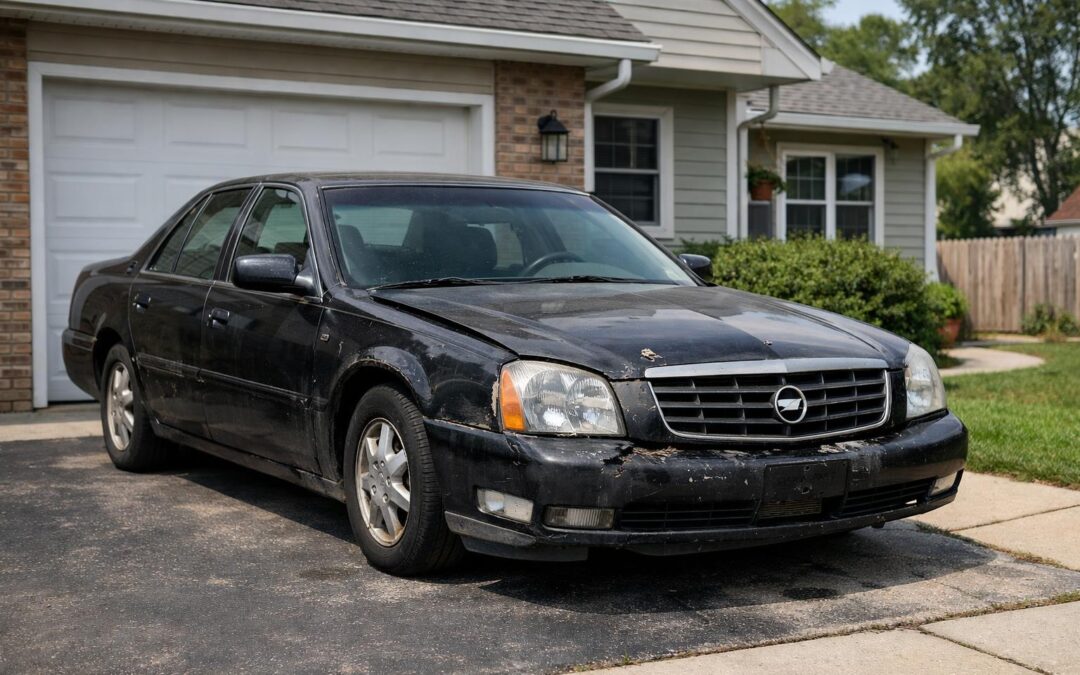
How to Sell a Broken Car in Long Island: The Complete Guide
Table of Contents
- Introduction: Why Selling a Broken Car in Long Island Is Different
- Understanding the Value of a Broken Car
- Options to Sell a Broken Car in Long Island
- How to Prepare Your Broken Car for Sale
- Documents You Need to Sell a Broken Car in New York
- How to Get the Best Offer for a Broken Car
- Common Scams and Mistakes to Avoid
- Step-by-Step Process to Sell a Broken Car in Long Island
- Frequently Asked Questions About Selling a Broken Car
- Conclusion: Turning a Broken Car into Fast Cash
Introduction: Why Selling a Broken Car in Long Island Is Different
Selling a broken car can feel overwhelming, especially when you are not sure who will buy it or how much it is worth. On Long Island, where space is limited and parking is expensive, getting rid of a non-running car quickly can be a priority. Whether your vehicle is wrecked, has a blown engine, or simply will not pass inspection, you have more options than you might think.
This guide explains how to sell a broken car in Long Island, how to estimate what it is worth, what paperwork you need, and how to avoid common problems when dealing with buyers.
Understanding the Value of a Broken Car
Even a car that does not run still has value. Buyers may be interested for parts, scrap metal, or repair and resale. The amount you get depends on several key factors.
Main Factors That Affect Value
- Make and model: Popular brands and models with high demand for parts are usually worth more.
- Age and mileage: Newer vehicles or those with lower mileage can bring higher offers, even when broken.
- Type of damage: Engine and transmission issues can reduce value, but cosmetic damage may not matter as much.
- Title status: A clean title is best. Salvage or rebuilt titles can lower the price, but the car can still be sold.
- Current scrap prices: If the vehicle is only good for scrap, metal prices influence what you receive.
Average Value Ranges
The table below gives a general idea of typical ranges when you sell a broken car in Long Island. These are not exact offers, but rough guidelines.
| Condition | Description | Typical Value Range |
|---|---|---|
| Minor Mechanical Issues | Starts but needs repairs (brakes, sensors, minor leaks) | $500 – $2,000 |
| Non-Running, Repairable | Does not start, but engine and frame still fixable | $300 – $1,500 |
| Major Engine/Transmission Failure | Blown engine, bad transmission, high repair cost | $200 – $1,000 |
| Severe Accident Damage | Totaled or heavily damaged body/frame | $150 – $800 |
| Scrap-Only Vehicle | Very old, rusted, or incomplete car sold for parts/metal | $100 – $600 |
Options to Sell a Broken Car in Long Island
When you want to sell a broken car on Long Island, you are not limited to one type of buyer. Each option has pros and cons in terms of speed, effort, and price.
1. Private Buyers
You can advertise the vehicle as-is to individuals who want a project car, parts, or a cheap vehicle to fix.
- Pros: Potentially higher price than scrap; you can negotiate directly.
- Cons: Takes more time; buyers may cancel or try to lowball you; you may need to arrange towing.
2. Local Junkyards and Salvage Yards
Junkyards will often buy a broken or non-running car for cash and handle pickup.
- Pros: Fast sale; simple process; they usually tow the car for you.
- Cons: Offers may be on the lower side; you must compare multiple yards to find the best price.
3. Cash-for-Cars and “We Buy Junk Cars” Services
Certain companies focus on buying unwanted, damaged, and broken vehicles in the Long Island area.
- Pros: Quick quotes; many provide same-day or next-day towing; minimal paperwork for you.
- Cons: Price may be lower than a private buyer; some buyers charge hidden fees, so confirm everything.
4. Trade-In at a Dealership
Some dealerships will accept a broken car as a trade-in, especially if you buy another vehicle from them.
- Pros: Convenient if you are already shopping for a car; less hassle with paperwork.
- Cons: Trade-in values for broken cars are often low; not every dealer will accept a non-running car.
5. Selling for Parts
If you have space, tools, and time, you can remove valuable parts and sell them individually.
- Pros: Can produce more money than selling whole; good for rare or in-demand parts.
- Cons: Time-consuming; requires mechanical skills; you still need to dispose of the shell.
How to Prepare Your Broken Car for Sale
Preparation can improve your selling price and make the transaction smoother, even when the car does not run.
1. Gather Basic Information
- Year, make, and model
- Vehicle Identification Number (VIN)
- Approximate mileage
- A short description of what is wrong with the car
2. Clean the Vehicle
A quick cleaning makes a difference. Remove trash and personal items from the interior and trunk. Wipe down surfaces if possible. Even for junk or salvage buyers, a clean car looks better and may give you more leverage.
3. Take Clear Photos
If you plan to list the vehicle online or text photos to potential buyers, take clear pictures from multiple angles:
- Front, rear, and both sides
- Interior, dashboard, seats
- Odometer (if visible)
- Any damage or problem areas
4. Be Honest About the Condition
Describing the damage and mechanical problems accurately will save you time. Buyers will feel more confident if you are upfront, and it reduces the chance of disputes when they see the vehicle in person.
Documents You Need to Sell a Broken Car in New York
New York State has specific requirements for transferring ownership of any vehicle, including broken and non-running cars. Having the right paperwork ready makes the sale faster and protects you legally.
1. Vehicle Title
The title proves you own the car. For most sales, you must sign the title over to the buyer.
- Make sure the name on the title matches your ID.
- Fill out the odometer and sale information where required.
- If the title is lost, you may need to request a duplicate from the DMV before selling.
2. Bill of Sale
A simple bill of sale documents the transaction. It usually includes:
- Buyer and seller names and addresses
- Vehicle details (year, make, model, VIN)
- Sale date and price
- Statement that the car is sold “as-is” with no warranty
3. Valid Identification
Have a current driver’s license or other acceptable ID available. Some buyers may ask to verify your identity for security and paperwork reasons.
4. License Plates and Registration
In New York, you should remove your license plates before the vehicle is towed or driven away. Return plates to the DMV or transfer them according to current state regulations. Canceling your registration and insurance after the sale helps avoid extra fees or liability.
How to Get the Best Offer for a Broken Car
When you sell a broken car on Long Island, a little strategy can significantly increase the offers you receive.
1. Get Multiple Quotes
Contact several junkyards, salvage buyers, and cash-for-cars services. Provide the same details to each, so you can compare their offers more accurately. Even a difference of $50 to $200 can be worth a few extra calls or messages.
2. Be Ready to Negotiate
Many buyers start with a lower offer expecting you to negotiate. If the first price seems low, explain any positive points about the car, such as newer tires, a clean interior, or valuable parts that still work.
3. Consider Free Towing vs. Higher Offer
A slightly lower offer that includes free towing may be better than a higher offer that requires you to pay for a tow truck. Ask buyers to clarify whether towing is included and if there are any additional fees.
4. Highlight Anything Recently Replaced
If you recently installed a new battery, tires, brakes, or other major parts, mention it clearly. Some buyers calculate offers based on resale value of parts, not just scrap metal weight.
5. Choose a Safe, Convenient Meeting
For private buyers, choose a safe, public location if the car is drivable. For non-running vehicles, have buyers meet you where the car is parked and avoid giving out more personal information than necessary.
Common Scams and Mistakes to Avoid
When you want to sell a broken car in Long Island, it is important to protect yourself from scams and unnecessary problems.
1. Buyers Who Change the Price at Pickup
Some buyers give a higher quote over the phone, then lower the price when they arrive, hoping you will accept because the tow truck is already there.
- Ask for the final quoted amount in writing or text.
- If they try to drop the price without a good reason, you can refuse the sale.
2. Payment Methods That Are Not Secure
Be cautious about taking personal checks or unfamiliar payment apps.
- Cash or a verified cashier’s check is usually safest.
- If using electronic payment, confirm the money is received and cleared before signing over the title.
3. Failing to Transfer or Cancel Registration
If you do not properly transfer ownership and cancel your registration, you might receive tickets or toll violations tied to the car after it leaves your possession.
4. Leaving Personal Belongings in the Vehicle
People often forget documents, tools, or personal items in the glove box or trunk. Before the car is towed, double-check:
- Glove compartment
- Center console
- Under the seats
- Trunk and side pockets
5. Not Disclosing Major Title Issues
If the car has a salvage title, lien, or other title problem, you must disclose it. Hiding this information can delay the sale or create legal trouble later.
Step-by-Step Process to Sell a Broken Car in Long Island
Use this simple roadmap to go from a non-running car sitting in your driveway to cash in your hand.
Step 1: Assess the Car
- Note the year, make, model, mileage, and major issues.
- Decide if it is worth trying to repair or if you definitely want to sell as-is.
Step 2: Collect Paperwork
- Locate the vehicle title.
- Prepare a simple bill of sale.
- Have your ID ready.
Step 3: Clean and Photograph the Vehicle
- Remove personal items and trash.
- Take clear photos from multiple angles.
Step 4: Get Offers
- Contact junkyards, cash-for-cars buyers, and any private buyer leads.
- Provide accurate car details and ask about towing and fees.
Step 5: Choose the Best Deal
- Compare offers based on total amount, towing costs, and convenience.
- Confirm the final price and exact payment method.
Step 6: Complete the Sale
- Meet the buyer or driver at the vehicle location.
- Receive and confirm payment.
- Sign the title and provide the bill of sale.
- Remove license plates and personal items.
Step 7: After the Pickup
- Return or transfer your license plates according to New York rules.
- Cancel your insurance policy for that vehicle.
- Keep a copy of the bill of sale for your records.
Frequently Asked Questions About Selling a Broken Car in Long Island
1. Can I sell a broken car in Long Island without a title?
In most cases, you need a title to legally transfer ownership in New York. Some scrap or salvage buyers may purchase a vehicle without a title under specific conditions, but the process is more complicated and the price is usually lower. If possible, obtain a duplicate title from the DMV before selling.
2. Do I have to pay to tow my broken car?
Many junk car and cash-for-cars buyers in Long Island include free towing in their offers. Always ask if towing is included and whether there are any charges or distance limits. If a buyer does not provide towing, compare the combined cost of their offer plus a tow truck against other quotes.
3. Can I sell a car that failed inspection or emissions?
Yes. A car that fails inspection can still be sold as-is for parts, repair, or salvage. Be honest about the failed inspection, and provide any paperwork you have. Many buyers specialize in vehicles that no longer pass inspection but still have usable parts or scrap value.
4. How long does it take to sell a broken car in Long Island?
If you choose a junk car or cash-for-cars buyer, the process can be completed in as little as one day, especially if you already have the title. Selling privately usually takes longer, sometimes several days or weeks, depending on demand and how you advertise the car.
5. Is it better to part out my car or sell it whole?
Parting out your car can bring in more money if you have time, space, and mechanical skills. However, it requires effort and you still need to dispose of the remaining shell. For most people who want speed and convenience, selling the whole broken car to a buyer is the simpler choice.
6. What information do buyers need to give me a quote?
Buyers typically need the year, make, model, approximate mileage, whether it runs, the type of damage or major issues, and the location of the vehicle. Having this information ready allows you to get more accurate quotes quickly.
7. Can I sell a broken leased car or financed car?
If the car is leased or still financed, the lender usually holds the title and must be involved in the sale. Contact your leasing company or lender to discuss payoff amounts and requirements. You generally cannot sell the car to a third party until the lien is satisfied and the title is released.
8. What should I remove from the car before it is towed?
Take out all personal belongings, your license plates, and any important documents such as registration, insurance cards, and maintenance records. If you installed aftermarket items you want to keep, such as a stereo or custom accessories, remove them ahead of time if allowed by your agreement with the buyer.
9. Do I need to notify the DMV after selling my broken car?
In New York, you should follow current DMV guidelines, which typically include returning or transferring your license plates, canceling your registration, and possibly completing any required notification forms. Keeping proof of the sale, such as a bill of sale, helps protect you if issues arise later.
10. Will I get more money if the car still runs?
Generally, yes. A broken car that still starts and can move, even if it has problems, is usually worth more than a completely non-running vehicle. Running cars are easier to tow, diagnose, and resell, which can result in higher offers from many buyers.
Conclusion: Turning a Broken Car into Fast Cash
When you need to sell a broken car in Long Island, you are not stuck with a useless vehicle taking up space. By understanding the value of your car, exploring all of your selling options, gathering the right documents, and comparing offers, you can convert that broken vehicle into quick cash with minimal stress.
Whether you choose a local junkyard, a cash-for-cars service, or a private buyer, following the steps in this guide will help you move through the process efficiently and confidently. With a bit of preparation and the right buyer, your broken car can become an opportunity instead of a burden.
