
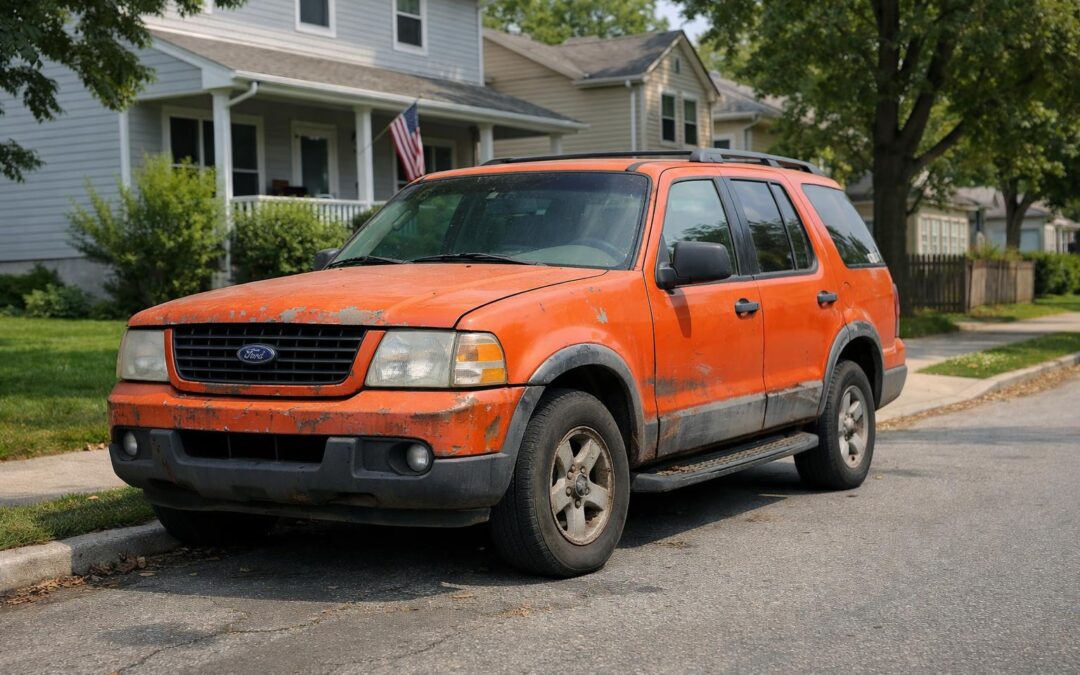
Car Recycling Long Island NY: A Complete Local Guide
Table of Contents
- What Is Car Recycling on Long Island, NY?
- Why Car Recycling Matters for Long Island Drivers
- How the Car Recycling Process Works
- What You Should Do Before Recycling Your Car
- Documents and Legal Requirements in New York
- Getting the Best Value for Your Junk Car
- Environmental Benefits of Car Recycling on Long Island
- What Happens to Your Car After It’s Recycled?
- Common Myths About Car Recycling in Long Island, NY
- Frequently Asked Questions About Car Recycling Long Island NY
- Conclusion: Responsible Car Recycling on Long Island
What Is Car Recycling on Long Island, NY?
Car recycling on Long Island, NY is the process of collecting, dismantling, and processing unwanted, damaged, or end-of-life vehicles so that usable parts and materials can be recovered instead of being wasted. It includes everything from towing away a junk car sitting in a driveway in Nassau County to processing a totaled vehicle from Suffolk County into reusable metals and components.
For Long Island residents, car recycling is a practical way to clear space, comply with local regulations, and support environmental protection while often receiving cash for vehicles that no longer run. Many local businesses specialize in buying and recycling:
- Junk cars that no longer start
- Vehicles with severe accident damage
- Cars that failed inspection and are too costly to repair
- Old project cars that were never completed
- Fleet vehicles that have reached the end of their service life
Why Car Recycling Matters for Long Island Drivers
Car recycling Long Island NY is not just a way to get rid of an old vehicle; it plays an important role in keeping neighborhoods clean and protecting the environment. With limited space and sensitive coastal ecosystems, Long Island communities benefit significantly from responsible recycling of vehicles.
Key reasons car recycling matters locally include:
- Reducing environmental hazards: Abandoned cars can leak oil, coolant, and other fluids that contaminate soil and groundwater.
- Freeing up space: Removing junk cars opens up driveways, garages, and yards, especially important on smaller Long Island lots.
- Supporting local economy: Auto recyclers create jobs, support metal recycling facilities, and provide affordable used parts.
- Complying with codes: Some towns have ordinances that restrict keeping unregistered, inoperable vehicles on residential property.
By choosing to recycle, Long Island drivers help reduce the number of abandoned vehicles on streets and empty lots, making communities cleaner and more attractive.
How the Car Recycling Process Works
The process for car recycling Long Island NY is more organized and regulated than many people realize. While each recycling business may have its own procedures, the general steps are similar across the region.
1. Vehicle Evaluation and Quote
First, you typically contact a local recycler or junk car buyer with basic information:
- Year, make, and model of the vehicle
- Overall condition (running or not)
- Major damage or missing parts
- Location of the vehicle on Long Island
Based on this information, they provide an estimated purchase price for the car.
2. Scheduling Pickup or Drop-Off
If you accept the offer, you can either drive the vehicle in (if it runs) or arrange for a tow truck to pick it up. Many car recycling services on Long Island offer free towing for junk cars, especially if the vehicle cannot be driven safely.
3. Paperwork and Payment
Upon pickup or drop-off, you hand over the necessary paperwork, usually the vehicle title and a valid ID. Payment is often made on the spot, usually in cash or check, once ownership is verified.
4. Dismantling and Fluid Draining
After the vehicle reaches the recycling facility, trained workers remove and properly manage:
- Fluids such as oil, coolant, transmission fluid, and gasoline
- Reusable parts like engines, transmissions, alternators, and doors
- Parts containing hazardous materials, such as batteries and certain electronics
5. Shredding and Metal Recovery
Once all valuable and hazardous components are removed, the remaining shell is typically crushed or shredded. The resulting material is sorted into different metals and other recyclables, which are then sold to be used as raw materials for new products.
What You Should Do Before Recycling Your Car
To make the process of car recycling Long Island NY smooth and stress-free, there are a few steps to take before your vehicle is picked up or dropped off.
- Remove personal belongings: Check the glove compartment, trunk, under seats, door pockets, and any storage compartments.
- Remove license plates: New York State requires you to surrender license plates to the DMV or transfer them to another vehicle.
- Cancel insurance: Once the car is sold and no longer registered, contact your insurance company to cancel or adjust your policy.
- Gather documents: Have your title, registration (if available), and photo ID ready.
- Clear toll accounts: If you use electronic toll tags, remove them and make sure your account is updated.
Proper preparation helps prevent paperwork issues and ensures the vehicle can be recycled without complications.
Documents and Legal Requirements in New York
Car recycling Long Island NY must comply with New York State laws and local regulations. Having the correct paperwork ready not only speeds up the process but also protects you from future liability.
Essential Documents
- Vehicle Title: In most cases, you need the original New York State title to transfer ownership. You will typically sign the back of the title to release your interest in the vehicle.
- Photo Identification: A driver’s license or state ID is usually required to verify your identity.
- Registration (if available): Not always required, but helpful to confirm vehicle details.
Plates and DMV Requirements
In New York, the license plates belong to you, not the vehicle. Before or shortly after recycling your car, you should:
- Remove the plates from the car
- Return them to the DMV or transfer to another vehicle
- Notify the DMV and your insurer that the vehicle has been sold or scrapped
Liability and Release of Ownership
To avoid potential problems if the vehicle is moved or used before being processed, make sure you:
- Sign all required fields on the title correctly
- Get a receipt or bill of sale from the recycling company
- Confirm that the buyer will handle any additional paperwork required for salvage processing
Getting the Best Value for Your Junk Car
Many drivers exploring car recycling Long Island NY want to know how to maximize their payout for an old or damaged vehicle. While prices are influenced by metal markets and vehicle condition, there are steps you can take to improve your return.
Factors That Affect Offer Amounts
- Make, model, and year: Certain models have more demand for used parts, which can increase value.
- Weight and metal content: Heavier vehicles generally contain more scrap metal, which can boost the price.
- Condition: Cars that still run or have intact engines, transmissions, or catalytic converters are often worth more.
- Completeness: Vehicles with key components missing may get lower offers.
Tips for Better Offers
- Provide accurate information about the car to avoid price changes upon pickup.
- Have the title ready; vehicles with clear titles often receive better offers.
- Contact more than one local buyer to compare offers.
- Consider whether you want to remove any aftermarket parts before selling.
Sample Factors and Impact on Value
| Factor | Typical Impact on Value |
|---|---|
| Running vs. Non-Running | Running vehicles often bring higher offers due to reusable parts. |
| Complete Catalytic Converter | Significantly increases value because of precious metals content. |
| Severe Fire or Flood Damage | Reduces value; many parts become unusable. |
| Major Parts Missing (Engine/Transmission) | Decreases offers; less metal and fewer salvageable components. |
| Clean Title | Typically improves ease of sale and may raise offers. |
Environmental Benefits of Car Recycling on Long Island
The environmental impact of car recycling Long Island NY is significant, especially in a region surrounded by water and home to sensitive natural habitats. Proper recycling ensures that harmful substances are managed correctly and valuable materials are conserved.
Reduced Landfill Waste
End-of-life vehicles are mostly made of metals that do not break down naturally. Recycling keeps these materials out of landfills, which are already under pressure in densely populated areas like Long Island.
Conservation of Natural Resources
Recycled steel, aluminum, and other metals from old cars reduce the need for mining and raw material extraction. This lowers energy consumption and decreases environmental damage associated with resource extraction.
Safe Handling of Hazardous Materials
Professional auto recyclers drain and manage automotive fluids and hazardous components safely, including:
- Motor oil and transmission fluid
- Brake fluid and power steering fluid
- Coolant and refrigerants
- Lead-acid batteries and certain electronics
This prevents leaks into soil and groundwater, which is especially important in coastal regions like Long Island.
What Happens to Your Car After It’s Recycled?
Many people inquiring about car recycling Long Island NY are curious about what actually happens to their vehicle after it leaves the driveway. The final destination of the materials may be surprising.
Reusable Parts Enter the Second-Hand Market
Parts that are still in good condition can be cleaned, tested, and sold as used auto parts. This provides affordable options for local drivers and repair shops, and keeps vehicles running longer.
Metals Are Melted and Reused
Most of the vehicle’s weight is metal. After processing and shredding, metals are sorted and shipped to mills and foundries to be melted down and made into new products, such as:
- Construction materials
- New vehicle parts
- Consumer goods and appliances
Plastics, Glass, and Other Materials
Depending on the recycling facility and available technology, some plastics, glass, and other materials may also be recovered and recycled. Even when not all materials are reused, the overall recovery rate for vehicles is high compared to many other products.
Common Myths About Car Recycling in Long Island, NY
Misunderstandings can prevent people from taking advantage of car recycling Long Island NY. Clearing up these myths helps drivers make informed decisions.
Myth 1: Only Completely Wrecked Cars Can Be Recycled
Reality: Recyclers accept a wide range of vehicles, from slightly damaged to completely totaled. Even older cars that still run can be sold for recycling if repair costs no longer make sense.
Myth 2: You Won’t Get Paid for a Junk Car
Reality: Most auto recyclers pay for vehicles based on weight, parts value, and current metal prices. Even non-running cars often have value.
Myth 3: The Process Is Complicated and Time-Consuming
Reality: With proper paperwork, many Long Island drivers complete the whole process in a day or two, including pickup and payment.
Myth 4: It Does Not Really Help the Environment
Reality: Automotive recycling is one of the most successful recycling industries. It significantly reduces the need for new raw materials and cuts down on pollution.
Frequently Asked Questions About Car Recycling Long Island NY
1. Do I need a title to recycle my car on Long Island?
Most recycling and junk car buyers in Long Island, NY require a valid New York State title to transfer ownership. If you have lost your title, you may need to obtain a replacement from the DMV before selling. Some buyers may have options in special situations, but having the title ready usually makes the process faster and smoother.
2. Can I recycle a car that no longer runs?
Yes. Non-running vehicles are commonly accepted for car recycling Long Island NY. In fact, many businesses specialize in buying cars that will not start or are unsafe to drive. They typically arrange towing as part of the service.
3. How much money can I expect for my junk car?
The amount you receive depends on factors such as make, model, year, weight, condition, and current scrap metal prices. Vehicles with valuable parts or complete catalytic converters often bring higher offers. Contacting multiple local buyers for quotes can help you estimate a fair range for your specific car.
4. Is towing included when I recycle my car?
Many Long Island auto recyclers offer free towing for junk cars, especially when the vehicle does not run. It is important to confirm this when you request a quote, so you understand whether any fees will reduce your final payout.
5. How long does the car recycling process take?
Once you accept an offer and have your paperwork ready, pickup can often be scheduled within a day or two. The actual transfer of the car and payment during pickup usually takes less than an hour, provided all documents are in order.
6. What should I remove from my car before it is picked up?
Before recycling your car, remove all personal items, including paperwork, electronics, toll tags, and any valuables. Take off the license plates, and if you wish, remove special aftermarket parts you plan to keep. Everything else can typically stay with the vehicle.
7. Will I still be responsible for the car after selling it for recycling?
Once you properly sign over the title and the buyer completes the purchase, ownership transfers to them. To fully protect yourself, return your license plates to the DMV, notify your insurance company, and keep a copy of any bill of sale or receipt provided by the buyer.
8. What types of vehicles can be recycled?
Car recycling Long Island NY typically includes passenger cars, SUVs, pickup trucks, vans, and sometimes light commercial vehicles. Some recyclers may also accept motorcycles or certain specialty vehicles, but it depends on the individual business.
9. Does the car need to pass inspection to be recycled?
No. Inspection status does not matter for recycling. Many vehicles sent for recycling have failed inspection or require repairs that cost more than the car is worth. These are ideal candidates for the recycling process.
10. Can I recycle a car without keys?
In many cases, yes. While having keys can make moving the vehicle easier, most recyclers can handle cars without keys, especially if they are already stationary. You will still need to prove ownership with a title and ID.
Conclusion: Responsible Car Recycling on Long Island
Car recycling Long Island NY offers a smart, environmentally responsible solution for dealing with old, damaged, or unwanted vehicles. By understanding the process, preparing the necessary documents, and choosing reputable local recyclers, Long Island drivers can:
- Free up valuable space at home or at work
- Prevent environmental harm from abandoned or leaking vehicles
- Receive fair payment for end-of-life cars
- Support local jobs and the recycling economy
Whether your car has stopped running, failed inspection, or simply reached the end of its useful life, recycling it through established channels on Long Island helps protect the community and the environment while putting cash in your pocket. With a bit of preparation and the right information, the process can be quick, straightforward, and beneficial for everyone involved.
