
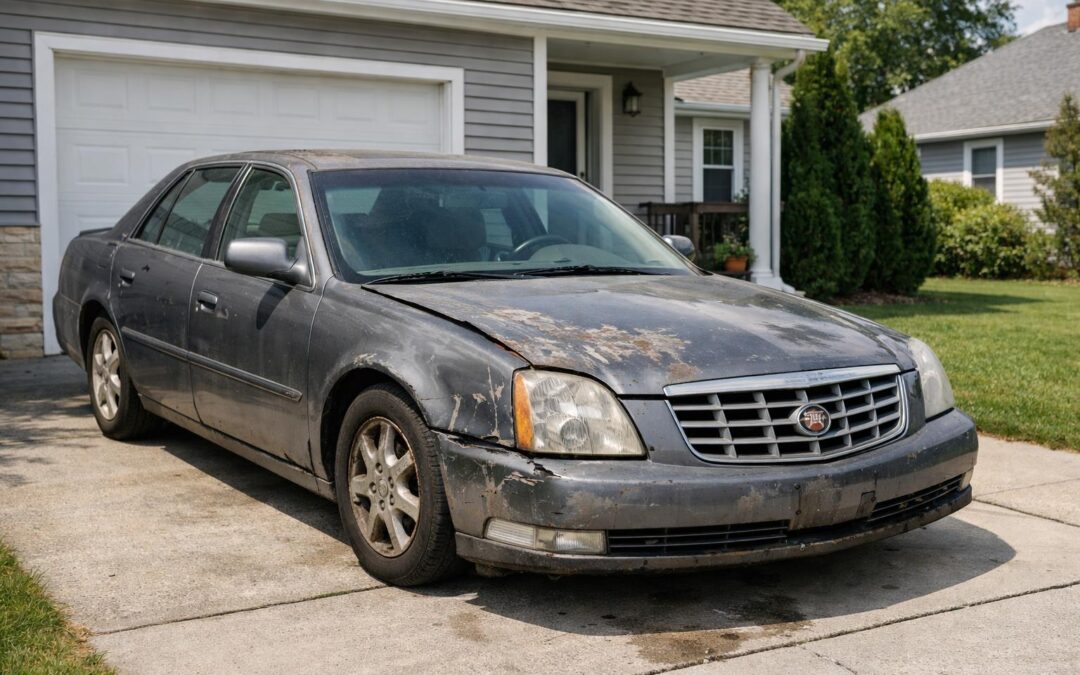
Engine Blown Car Buyer Long Island NY: How to Sell a Vehicle with a Bad Motor
Table of Contents
- 1. What Is an Engine Blown Car?
- 2. Should You Repair or Sell a Car with a Blown Engine?
- 3. How Engine Blown Car Buyers in Long Island NY Work
- 4. Documents and Information You Need Before Selling
- 5. Factors That Affect Your Offer in Long Island
- 6. Step-by-Step: Selling a Blown Engine Car on Long Island
- 7. Common Mistakes to Avoid When Selling
- 8. Comparing Engine Blown Car Buyers vs. Other Options
- 9. Frequently Asked Questions (FAQ)
- 10. Conclusion: Getting the Best Value for Your Non-Running Car
1. What Is an Engine Blown Car?
An engine blown car is a vehicle whose engine has failed so severely that normal operation is impossible or unsafe without major repairs or a full engine replacement. On Long Island, NY, this is a common issue for older vehicles exposed to stop-and-go traffic, coastal humidity, and winter road salt.
Common signs of a blown engine include:
- Knocking or banging sounds from the engine
- Thick white, blue, or black smoke from the exhaust
- Loss of power or the car not starting at all
- Coolant mixing with oil (milky oil cap)
- Severe overheating, even after basic repairs
Once an engine is blown, standard repair bills can easily exceed the value of an older or high-mileage car. That is why many owners look specifically for an engine blown car buyer in Long Island NY who understands salvage, parts, and scrap value.
2. Should You Repair or Sell a Car with a Blown Engine?
Deciding whether to repair or sell your vehicle depends on cost, time, and your long-term plans. On Long Island, labor rates and parts prices are relatively high, which makes major engine work especially expensive.
Key points to consider:
- Repair costs: Rebuilding or replacing an engine can often range from several thousand dollars upward, especially on newer or imported vehicles.
- Vehicle age and mileage: A 10+ year old car with high mileage is rarely worth the cost of a full engine replacement.
- Title status and body condition: Rust, collision damage, or flood history can further reduce the benefit of repairs.
- Time and inconvenience: Repairs can take days or weeks, whereas an engine blown car buyer can often remove the car the same day or next day.
In many cases, it makes financial sense to sell to a specialized buyer who knows how to maximize value from a non-running or mechanically totaled vehicle.
3. How Engine Blown Car Buyers in Long Island NY Work
An engine blown car buyer Long Island NY typically focuses on purchasing vehicles that traditional buyers and dealerships avoid. They may resell parts, rebuild certain vehicles, or send them to auction or recycling facilities.
Typical process:
- You provide basic details: year, make, model, mileage, and what happened to the engine.
- The buyer gives an initial quote based on that information and local market conditions.
- If you accept, they schedule a pickup, often with a tow truck.
- They inspect the car on-site and confirm the offer amount.
- You complete the paperwork, hand over the keys and title, and receive payment.
These buyers simplify the process for Long Island residents by handling towing and paperwork, especially for cars that cannot be safely driven.
4. Documents and Information You Need Before Selling
Being prepared with the right documents makes the sale smoother and faster. In New York, you should gather the following before contacting an engine blown car buyer.
- Vehicle title: A clear New York title in your name is the most important requirement for transfer of ownership.
- Valid ID: A driver’s license or other state-issued identification.
- Registration (if available): Not always required to sell, but helpful for verification.
- Keys and remotes: Having all keys can increase convenience and value.
- Basic vehicle details: VIN, current mileage, and a short description of the engine problem.
- Any repair estimates or service history: These can help the buyer understand the true condition.
Different buyers may have slightly different requirements, but having these items ready typically speeds up the offer and pickup on Long Island.
5. Factors That Affect Your Offer in Long Island
Engine blown car buyers in Long Island NY consider more than just the engine condition when determining an offer. The local market and vehicle-specific details matter.
Key factors include:
- Year, make, and model: Popular models with strong used parts demand often bring higher offers, even with a blown engine.
- Overall condition: Clean interiors, straight body panels, and minimal rust add value.
- Mileage: Lower mileage vehicles can be more attractive candidates for engine replacement.
- Title status: Clean titles are worth more than salvage or branded titles.
- Missing parts: Missing wheels, catalytic converters, or electronics may reduce the offer.
- Location and accessibility: How easy it is for a tow truck to reach the vehicle on Long Island, including driveways and parking garages.
Buyers also consider the current scrap metal prices and demand for your specific vehicle’s parts in the New York region.
6. Step-by-Step: Selling a Blown Engine Car on Long Island
Following a clear process helps you avoid stress and get a fair price for your blown engine vehicle.
- Assess your vehicle: Note any damage, missing parts, and the last time the car ran.
- Gather paperwork: Locate your title, ID, keys, and any service records.
- Get multiple quotes: Contact more than one engine blown car buyer in Long Island NY to compare offers.
- Confirm what is included: Ask if towing is free and whether there are any hidden fees.
- Schedule pickup: Choose a convenient time window and confirm payment method.
- Prepare the car: Remove personal belongings, plates if required, and any toll tags.
- Complete the sale: Sign the title, receive payment, and notify your insurance and DMV as appropriate.
By following these steps, you can turn a non-running vehicle into cash with minimal hassle.
7. Common Mistakes to Avoid When Selling
Car owners often make avoidable errors when dealing with a blown engine vehicle. Recognizing these pitfalls can help you keep more money in your pocket.
- Letting the car sit too long: Long-term storage can cause additional problems such as rusted brakes, flat tires, and rodent damage, which may lower your offer.
- Paying for unnecessary diagnostics: Once the engine is clearly beyond repair and you intend to sell to a buyer who specializes in damaged cars, expensive shop diagnostics may not increase your offer.
- Not disclosing issues honestly: Hiding problems can slow down the transaction and may cause the buyer to reduce the offer on-site.
- Accepting the first offer without comparison: Long Island has multiple buyers; checking a few quotes takes little time and can significantly improve your payout.
- Leaving personal items in the car: Always double-check the glove box, trunk, and storage compartments before pickup.
A careful, informed approach helps you avoid stress and get a more accurate and competitive quote.
8. Comparing Engine Blown Car Buyers vs. Other Options
When your engine fails, you have several choices: specialized buyers, private sales, dealerships, or scrap yards. Each option has trade-offs.
| Option | Pros | Cons | Best For |
|---|---|---|---|
| Engine Blown Car Buyer (Long Island NY) | Fast, understands non-running cars, often includes towing | Offer based on salvage/parts value, not retail | Owners who want quick and convenient sale of a blown engine car |
| Private Buyer | Potentially higher price if a project buyer is found | Hard to find buyers, requires ads and time, safety concerns | Projects or rare vehicles with strong enthusiast demand |
| Dealership Trade-In | Convenient if purchasing another car immediately | Most dealers offer very low value for non-running cars or refuse them | Cars that still run but have moderate mechanical issues |
| Scrap Yard / Metal Recycler | Simple, straightforward weight-based pricing | Often the lowest payout; may not include towing | Extremely old or badly damaged vehicles with little parts value |
For many Long Island residents dealing with a serious engine failure, working with a dedicated engine blown car buyer offers the best balance of speed, convenience, and value.
9. Frequently Asked Questions (FAQ)
Do I need a title to sell my blown engine car in Long Island NY?
In most cases, yes. A clear New York title in your name is the standard requirement to legally transfer ownership. Some buyers may have limited options for vehicles without titles, but the offer is usually lower and the process more complex.
Will an engine blown car buyer pick up my car if it does not start?
Yes. These buyers specialize in non-running vehicles and typically arrange towing or flatbed service. Many include pickup at no additional cost, especially within Long Island and nearby areas.
How much is my blown engine car worth?
The value depends on the year, make, model, mileage, and overall condition, as well as current metal prices and demand for parts. Newer cars or popular models often bring higher offers, even if the engine is completely blown.
Can I sell a financed car with a blown engine?
You must resolve any outstanding loan or lien before transferring full ownership. Some buyers may work with your lender, but you usually need to pay off the loan or arrange a payoff amount that is covered by the sale and your own funds.
How long does it take to complete the sale?
Once you accept an offer, many engine blown car buyers in Long Island NY can pick up the vehicle within 24 to 48 hours. The paperwork and payment at pickup generally take less than 30 minutes when you have all documents ready.
Should I remove aftermarket parts before selling?
If you have easily removable, valuable aftermarket parts such as custom wheels or sound systems, you may choose to remove them before the sale, as long as the car remains safe and towable. However, always inform the buyer of any major components you plan to keep.
Will I get more money if I repair the engine first?
Not always. Engine repair or replacement is expensive on Long Island. For older or high-mileage cars, the cost of repair often exceeds the increase in resale value. Before investing in repairs, compare the likely resale price with and without repairs and consider your budget and timeline.
What should I do with my license plates and insurance?
Before or immediately after the sale, remove your license plates according to New York regulations and return them to the DMV if required. Contact your insurance company to cancel or adjust your policy once the vehicle is sold and no longer in your possession.
Can I sell a car with other damage besides a blown engine?
Yes. Engine blown car buyers often purchase vehicles with additional issues such as transmission problems, body damage, or interior wear. These factors may affect your offer, but the car can still have salvage or parts value.
Is it better to donate or sell my blown engine car?
Donating may provide a tax deduction, while selling gives you immediate cash. The better option depends on your financial goals, tax situation, and the condition of the vehicle. If you need quick funds or want a straightforward transaction, selling to a specialized buyer is usually simpler.
10. Conclusion: Getting the Best Value for Your Non-Running Car
Owning a vehicle with a failed engine is stressful, especially when repair bills are higher than the car’s value. On Long Island, NY, working with an experienced engine blown car buyer can turn that problem into an opportunity to recover meaningful cash, clear space, and move on to a more reliable vehicle.
By understanding how these buyers operate, preparing the right documents, avoiding common mistakes, and comparing a few offers, you position yourself to get a fair price for a car that no longer runs. With the right approach, a blown engine does not have to be the end of the road for your budget.
