
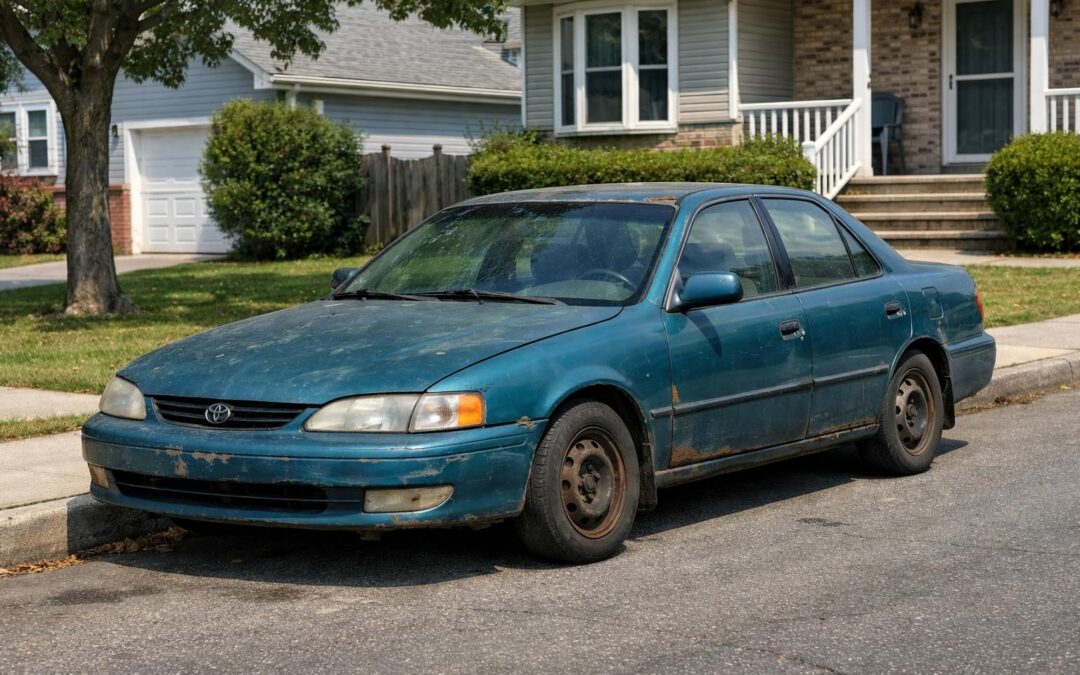
Abandoned Car Removal Long Island NY
Table of Contents
- Introduction to Abandoned Car Removal on Long Island, NY
- When Is a Vehicle Considered Abandoned?
- Why Prompt Abandoned Car Removal Matters
- How Abandoned Car Removal Works on Long Island, NY
- Documents and Information You May Need
- Costs, Fines, and Possible Free Removal Options
- Environmental and Neighborhood Benefits
- Choosing an Abandoned Car Removal Service in Long Island, NY
- Frequently Asked Questions About Abandoned Car Removal Long Island NY
- Conclusion: Restoring Your Property and Community
Introduction to Abandoned Car Removal on Long Island, NY
Abandoned vehicles are a growing concern across Long Island, NY, affecting residential streets, private properties, commercial parking lots, and public spaces. Whether you are a homeowner, a landlord, a business owner, or part of a property management team, knowing how abandoned car removal Long Island NY works can help you keep your property safe, clean, and compliant with local regulations.
Abandoned cars not only take up valuable space, they can also become safety hazards, attract vandalism, and lower property values. Understanding the process for reporting and removing them ensures you handle the issue legally and efficiently.
When Is a Vehicle Considered Abandoned?
Before you begin the removal process, it helps to understand how an abandoned vehicle is generally defined on Long Island. Specific rules can vary by town, village, or city, but there are some common guidelines.
- A vehicle left on a public street or highway for an extended period without being moved.
- A car left on private property without the owner’s permission.
- A vehicle that appears inoperable, severely damaged, or stripped of parts.
- A vehicle with expired registration or inspection, depending on local regulations.
Some municipalities specify how long a vehicle must remain unmoved before it is considered abandoned. For example, a car may be considered abandoned if left on a public road for more than a set number of hours or days. Private property owners often have more flexibility, but must still follow proper legal and towing procedures.
Why Prompt Abandoned Car Removal Matters
Leaving an abandoned vehicle in place can create multiple problems for property owners and communities across Long Island, NY.
- Safety Risks: Abandoned vehicles can attract trespassers, illegal dumping, and even criminal activity.
- Liability Concerns: If someone is injured around the vehicle, liability questions can arise for property owners.
- Neighborhood Appearance: Junk or abandoned cars make residential and commercial areas look neglected.
- Environmental Hazards: Fluids like oil, gasoline, and coolant can leak into the ground, causing contamination.
- Parking and Access Issues: Unused vehicles occupy valuable space needed for residents, customers, or deliveries.
Timely abandoned car removal Long Island NY helps maintain safety, preserves property value, and protects the environment.
How Abandoned Car Removal Works on Long Island, NY
The process for removing an abandoned vehicle on Long Island typically depends on whether it is on public or private property and which municipality you are in. However, the general steps are similar.
1. Identify the Vehicle Status
Confirm that the vehicle truly appears abandoned or unauthorized. Check for:
- Missing plates or obviously expired tags.
- Flat tires, broken windows, or missing parts.
- Accumulated debris, leaves, or snow around the vehicle indicating it has not moved.
2. Determine Property Type
Your next step depends on the location:
- Public streets or public parking: Typically handled by local law enforcement or municipal departments.
- Private residential property: Homeowners may contact local authorities or a licensed towing company.
- Commercial or multifamily property: Property managers often work with contracted towing services in compliance with posted parking rules.
3. Report to the Appropriate Authority
For public roads, residents generally report suspected abandoned vehicles to local police departments or the appropriate town or village office. They may:
- Take photos and note the location, make, model, and color.
- Provide license plate information if available.
- Give an estimate of how long the vehicle has been there.
4. Notice and Waiting Period
In many Long Island communities, once a vehicle is reported, an officer or inspector will:
- Tag the vehicle with a notice of potential removal.
- Allow a specific time period (for example, 24–72 hours or more) for the owner to move the car.
If the vehicle is not moved within the required time, the municipality can authorize towing and storage.
5. Private Property Towing
For private properties, owners or managers often contact a licensed towing company that specializes in abandoned car removal Long Island NY. Depending on local laws, they may need to:
- Post visible signage about parking and towing policies.
- Document the vehicle’s condition and location.
- Follow specific notification or waiting rules if required by local regulations.
Documents and Information You May Need
Whether you report a vehicle to authorities or work with a towing service, having certain information ready helps speed up abandoned car removal.
- Vehicle description: Make, model, color, and body style.
- License plate: Number and state, if present.
- Location details: Exact street address or nearest intersection.
- Timeframe: How long the vehicle has been at the location, if known.
- Ownership details: If it is your vehicle, any available title, registration, or proof of ownership.
If you are seeking removal of your own unwanted or non-running vehicle from your property, you may need:
- A valid photo ID.
- The vehicle title (or information to request a duplicate in some cases).
- Any lien release documents, if applicable.
Costs, Fines, and Possible Free Removal Options
Costs and fees related to abandoned car removal Long Island NY can vary significantly depending on the situation, who requests the removal, and whether the vehicle is on public or private property.
| Scenario | Who Usually Pays? | Typical Cost Range | Notes |
|---|---|---|---|
| Abandoned car on public street | Vehicle owner (through fines, impound fees) | Varies by municipality | May involve tickets, towing, and storage charges. |
| Unauthorized car on private lot (towed) | Vehicle owner reclaiming the car | Impound and towing fees | Property owner may not pay if properly posted and documented. |
| Owner removing their own junk car | Often free; sometimes owner is paid | Free to moderate; sometimes cash for car | Some companies offer free removal or pay based on scrap value. |
| Special situations (no title, severe damage) | Depends on company and documentation | May be free or discounted | Policies differ; some services specialize in no-title removals. |
If the vehicle is truly abandoned and eventually impounded, the last registered owner is often responsible for towing and storage fees. For property owners dealing with an unauthorized or abandoned car, working with a reputable removal service that understands local rules can help avoid unnecessary expenses and legal issues.
Environmental and Neighborhood Benefits
Removing abandoned vehicles from Long Island streets and properties creates important benefits for both the environment and the community.
- Reduced Contamination: Old vehicles can leak oil, antifreeze, brake fluid, and transmission fluid into soil and storm drains.
- Proper Recycling: Professional removal services often ensure that metal, glass, and certain plastics are recycled responsibly.
- Less Blight: A cleaner streetscape improves curb appeal for homes and businesses.
- Higher Property Values: Neighborhoods free of abandoned cars generally maintain stronger real estate values.
- Improved Safety: Fewer derelict vehicles means fewer hiding spots and fewer potential hazards for children and pedestrians.
When handled correctly, abandoned car removal Long Island NY supports broader community goals, from beautification and safety to environmental stewardship.
Choosing an Abandoned Car Removal Service in Long Island, NY
If you are a homeowner, landlord, or business owner dealing with a non-running or unwanted vehicle on your property, a specialized removal service can make the process fast and straightforward. When evaluating services that handle abandoned car removal Long Island NY, consider the following factors.
- Licensing and Insurance: Work only with properly licensed and insured towing and removal companies.
- Experience with Local Laws: Long Island includes multiple towns and villages; a service familiar with different regulations can help you stay compliant.
- Clear Pricing: Ask if removal is free, if there are any hidden fees, or if you might receive payment for your vehicle.
- Documentation Help: Some companies assist with paperwork, such as transferring titles or accepting vehicles with limited documents.
- Response Time: Same-day or next-day pickups can minimize disruption on your property.
- Disposal Practices: Environmentally responsible disposal and recycling is an important consideration.
A trustworthy service will clearly explain the process, any potential costs, and what you need to provide so that your abandoned or unwanted vehicle can be removed legally and efficiently.
Frequently Asked Questions About Abandoned Car Removal Long Island NY
1. How long does a car have to sit before it is considered abandoned on Long Island?
The time period varies by town and village. In many Long Island municipalities, a vehicle may be considered abandoned if it remains unmoved on a public road for a certain number of hours or days, especially if it has expired registration or appears inoperable. Check with your local police department or town office for the specific rules in your area.
2. Can I have a car towed from my private property in Long Island, NY?
Yes, property owners can generally have unauthorized or abandoned vehicles removed from their private property, as long as the towing is conducted by a licensed company and any applicable local regulations or posting requirements are followed. For multi-unit or commercial properties, clearly posted parking and towing policies are especially important.
3. Who pays for abandoned car removal on public streets?
When a vehicle is towed from a public street as an abandoned car, the last registered owner is usually responsible for towing, storage, and any applicable ticket or fine. If the owner does not reclaim the vehicle, it may eventually be sold or scrapped, but the municipality’s rules determine how associated costs are handled.
4. Can I get my own junk or non-running car removed for free?
Many Long Island removal services offer free towing for vehicles that have enough scrap or parts value to offset the cost of removal. Some may even pay you for the vehicle. The exact offer depends on factors such as the vehicle’s age, condition, and current scrap metal market.
5. What if I do not have the title for the vehicle I want removed?
Some companies that specialize in abandoned car removal Long Island NY can work with limited documentation, depending on the situation. However, requirements differ from one service to another. It is best to contact a removal provider, explain your circumstances, and ask what documents they require to tow and process the vehicle legally.
6. Is it legal to push an abandoned car off my property myself?
Moving a vehicle yourself can introduce safety and liability issues, especially if the car crosses property lines, enters a public road, or is damaged in the process. In many cases, it is safer and more compliant to contact local authorities or a licensed towing company rather than attempting to relocate the vehicle on your own.
7. How long does abandoned car removal usually take once I call?
Response times vary by company and location, but many Long Island services aim to offer same-day or next-day pickups. For vehicles on public roads, timing may depend on municipal procedures, such as inspections and required notice periods before towing.
8. Will removing an abandoned car help improve my property value?
While a single vehicle may not dramatically change a formal appraisal, consistently removing abandoned or junk cars helps prevent neighborhood blight, improves curb appeal, and makes a positive impression on potential buyers, tenants, or customers. Over time, this contributes to stronger property values and community perception.
9. What happens to the vehicle after it is removed?
After towing, vehicles are typically brought to an impound lot, salvage yard, or recycling facility. Depending on the condition, some may be auctioned, used for parts, or processed as scrap metal. Many reputable services follow environmentally responsible methods for draining fluids and recycling materials.
10. Do I need to be present when my vehicle is removed from my property?
In many cases, removal companies prefer or require the owner or an authorized representative to be present to sign paperwork, show identification, and hand over keys or necessary documents. However, some services can arrange contactless pickups if all documentation is handled in advance. Ask your chosen provider about their specific policy.
Conclusion: Restoring Your Property and Community
Abandoned and unwanted vehicles can quickly become more than just an eyesore; they can pose safety, legal, and environmental risks for Long Island residents and businesses. By understanding how abandoned car removal Long Island NY works, you can take the right steps to protect your property, follow local regulations, and support a cleaner, safer community.
Whether you are dealing with a mysterious car left on your street, an unauthorized vehicle in your parking lot, or your own non-running car that you are finally ready to let go of, prompt and lawful removal is the key. With the help of knowledgeable local authorities and reputable removal services, you can reclaim your space and contribute to a more attractive, orderly Long Island neighborhood.
