
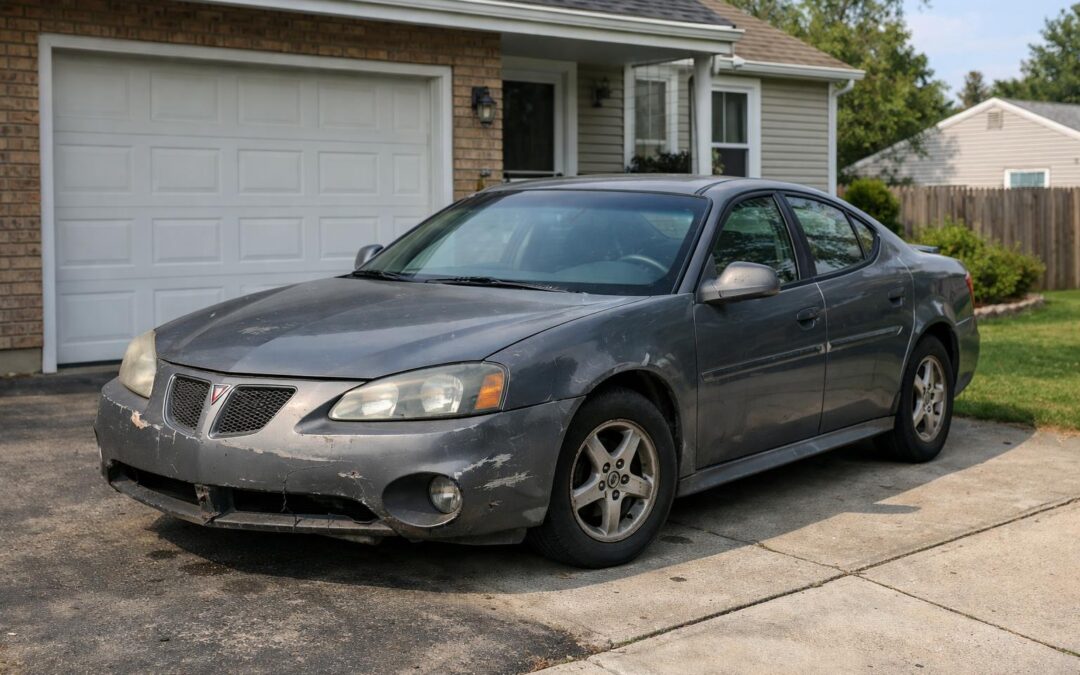
Auto Recycling Long Island NY: A Complete Local Guide
Table of Contents
- What Is Auto Recycling?
- Why Auto Recycling Matters on Long Island NY
- How Auto Recycling Works Step by Step
- What Parts of a Car Can Be Recycled?
- How to Prepare Your Vehicle for Recycling on Long Island
- Typical Auto Recycling Process on Long Island NY
- How Much Is a Junk Car Worth on Long Island?
- Environmental and Community Benefits
- Common Myths About Auto Recycling
- FAQ: Auto Recycling Long Island NY
- Conclusion
What Is Auto Recycling?
Auto recycling is the process of dismantling end-of-life vehicles so that metal, fluids, and usable parts can be safely recovered and reused. Instead of letting old cars rust away in a driveway or landfill, professional recyclers on Long Island NY extract valuable materials and dispose of hazardous substances responsibly.
Modern auto recycling is highly efficient. A large percentage of each vehicle is either reused as parts or turned back into raw materials that feed manufacturing and construction industries, reducing the need for new mining and production.
Why Auto Recycling Matters on Long Island NY
Long Island is a densely populated region with limited space and a sensitive coastal environment. Auto recycling plays a crucial role in managing waste and protecting local ecosystems from harmful substances that can leak out of abandoned or improperly disposed vehicles.
From Nassau County to Suffolk County, auto recycling helps:
- Reduce the number of derelict vehicles on streets and private property
- Prevent hazardous fluids from seeping into soil and groundwater
- Lower demand for new raw materials and energy-intensive manufacturing
- Support local jobs in salvage, towing, and metal processing
By choosing reputable auto recycling services on Long Island NY, residents and businesses contribute directly to cleaner neighborhoods and healthier coastal waters.
How Auto Recycling Works Step by Step
While each recycler may follow a slightly different process, most vehicle recycling operations on Long Island share a core set of steps designed to maximize safety and material recovery.
- Vehicle Intake: The recycler verifies ownership, records the Vehicle Identification Number, and purchases or accepts the vehicle.
- Depollution: All fluids and hazardous components are carefully drained and removed.
- Parts Assessment: Usable parts are inspected, cataloged, and often resold as used auto parts.
- Dismantling: Major assemblies such as engines, transmissions, and body panels are separated.
- Material Sorting: Metal, plastic, rubber, and glass are sorted for recycling.
- Shredding and Processing: Remaining metal shell is crushed or shredded for shipment to metal mills.
This process is designed to comply with New York State and local environmental regulations, ensuring that end-of-life vehicles do not turn into long-term environmental hazards.
What Parts of a Car Can Be Recycled?
A surprising portion of every vehicle can be reused or recycled. Auto recycling centers on Long Island NY focus on extracting as many components and materials as possible.
| Component | Typical Outcome | Environmental Benefit |
|---|---|---|
| Steel body and frame | Melted down and reused in new steel products | Reduces iron ore mining and energy use |
| Aluminum parts (rims, engine parts) | Recycled into new aluminum components | Saves significant energy compared to new aluminum |
| Engine and transmission | Rebuilt or sold as used units or scrap metal | Extends life of existing parts and reduces waste |
| Battery | Sent to specialized battery recyclers | Prevents lead and acids from entering environment |
| Fluids (oil, coolant, fuel) | Properly drained and recycled or disposed | Protects soil and water from contamination |
| Tires | Retreaded or processed into crumb rubber products | Reduces tire piles and fire risks |
| Glass | Recycled where facilities exist | Reduces need for new sand and raw materials |
| Interior components | Reused, upcycled, or recycled by material type | Cuts down on landfill waste |
Because auto recyclers on Long Island work with regional metal processors and specialized facilities, a large percentage of every car is diverted from landfills.
How to Prepare Your Vehicle for Recycling on Long Island
If you have a junk or unwanted car on Long Island NY, a little preparation can make the recycling process smoother and may help you receive better value.
- Gather Documentation: Have your title and identification ready. Proof of ownership is essential.
- Remove Personal Items: Check glove compartments, trunk, under seats, and storage pockets.
- Take Off License Plates: In New York, plates are typically returned to the Department of Motor Vehicles when canceling registration.
- Cancel Insurance: Notify your insurance company once the vehicle is sold or picked up.
- Note Any Valuable Aftermarket Parts: In some cases, you may remove or separately sell custom wheels, stereos, or add-ons.
Being organized and transparent about the condition of your car helps Long Island auto recyclers make accurate offers and schedule fast pickups.
Typical Auto Recycling Process on Long Island NY
For many local drivers, the auto recycling experience starts with a simple phone call or online form. The rest is often handled by the recycler.
- Initial Quote: You provide basic information about the vehicle: make, model, year, condition, and location on Long Island.
- Offer and Scheduling: The recycler gives a cash offer and arranges a convenient pickup time, often within 24 to 48 hours.
- Towing: A tow truck arrives to collect the vehicle. Many services offer free towing within Nassau and Suffolk counties.
- Paperwork: You sign over the title, receive payment, and keep copies of important documents for your records.
- Processing at Facility: The vehicle is transported to a licensed facility where the full dismantling and recycling process takes place.
Residents appreciate this streamlined approach because it clears space on their property, removes potential liabilities, and turns a non-running vehicle into immediate cash.
How Much Is a Junk Car Worth on Long Island?
The value of a junk car in Long Island NY varies widely. Several factors influence what recyclers can pay for an end-of-life vehicle.
- Weight and Metal Prices: Heavier vehicles with more metal content often bring higher scrap values, especially when metal markets are strong.
- Year, Make, and Model: Popular models with demand for used parts may be worth more than obscure or heavily damaged vehicles.
- Condition: Cars that still run or have salvageable engines, transmissions, and body panels typically earn more.
- Missing Components: Vehicles missing catalytic converters, wheels, or major parts might be worth less.
- Location and Accessibility: Easy access for a tow truck on Long Island can help keep costs down and offers up.
Many Long Island auto recyclers provide no-obligation quotes so you can compare offers. Being honest about your vehicle ensures more accurate pricing and fewer surprises at pickup.
Environmental and Community Benefits
Auto recycling is not only about getting rid of old vehicles. It provides a wide range of environmental and community benefits across Long Island.
- Cleaner Neighborhoods: Removing abandoned or inoperable cars reduces eyesores and potential hazards.
- Pollution Prevention: Proper handling of oil, gasoline, antifreeze, and other fluids protects local groundwater and coastal zones.
- Resource Conservation: Recycling metal and parts reduces the need to mine and process raw materials.
- Energy Savings: Manufacturing products from recycled metals uses less energy than producing them from ore.
- Economic Activity: The local auto recycling industry supports jobs in towing, dismantling, parts sales, and logistics.
When Long Island drivers choose responsible auto recycling, they help protect the very communities and shorelines that make the region unique.
Common Myths About Auto Recycling
Misunderstandings sometimes prevent vehicle owners from making the most of auto recycling in Long Island NY. Clarifying these myths can make the decision easier.
-
Myth: A car must be running to be recycled.
Reality: Most recyclers specialize in non-running or heavily damaged vehicles. Towing is often included.
-
Myth: It is better to let a car sit than recycle it for low scrap value.
Reality: Abandoned vehicles can leak hazardous fluids and create liabilities. Recycling removes risks and offers immediate compensation.
-
Myth: The process is complicated and full of red tape.
Reality: Reputable Long Island recyclers handle almost all paperwork and make the process straightforward for vehicle owners.
-
Myth: Only metal is recovered.
Reality: Many components are reused or recycled, including engines, batteries, tires, and certain plastics and glass.
-
Myth: Auto recycling harms the environment.
Reality: Modern recycling operations follow strict environmental standards and are designed to prevent pollution, not cause it.
FAQ: Auto Recycling Long Island NY
1. Do I need a title to recycle my car on Long Island?
In most cases, yes. Auto recyclers in New York typically require a valid title to confirm ownership. If you have lost your title, you may need to work with the Department of Motor Vehicles to obtain a replacement before recycling the vehicle.
2. Can I get my car towed for free to a recycler?
Many auto recycling companies on Long Island NY offer free towing when they purchase your vehicle, especially if it has enough scrap or parts value to cover transport costs. Always confirm towing fees or free pickup when requesting a quote.
3. How long does the auto recycling process take?
For vehicle owners, the process is generally quick. After you accept an offer, pickup is often scheduled within a day or two, and payment is made at the time of pickup. The internal dismantling and recycling steps occur later at the facility.
4. What types of vehicles can be recycled?
Auto recyclers on Long Island handle a wide range of vehicles, including cars, SUVs, pickup trucks, vans, and in some cases commercial vehicles. Both running and non-running vehicles, as well as those that are heavily damaged or totaled, can usually be recycled.
5. Is it safe to leave fluids in my car before recycling?
You should not attempt to drain fluids yourself, as it can be hazardous and may violate environmental regulations. Professional recyclers are equipped to safely remove oil, gasoline, coolant, and other fluids as part of the depollution process.
6. Will my license plates and registration be handled by the recycler?
In New York, it is typically your responsibility to remove license plates and return or transfer them according to DMV rules. You should also notify your insurance company and cancel or adjust your policy once the vehicle is sold.
7. Can I sell usable parts before sending my car to a recycler?
Yes, some owners choose to remove high-value aftermarket parts or accessories prior to recycling. Be sure to disclose missing components when requesting quotes, as they can affect the value of the vehicle to the recycler.
8. How does auto recycling affect the environment on Long Island?
Auto recycling reduces the number of abandoned vehicles, prevents fluid leaks, and cuts down on the need for new metal extraction. This helps protect Long Island’s soil, groundwater, and coastal ecosystems while lowering overall energy use in manufacturing.
9. What happens to my car after it is picked up?
After towing, your car is brought to a licensed facility where it is depolluted, dismantled, and sorted. Reusable parts are sold, and metals are processed for recycling. The goal is to divert as much material as possible from landfills.
10. Is auto recycling required by law?
While you are not forced to recycle your vehicle, there are regulations governing how vehicles and hazardous materials must be handled. Working with a licensed auto recycler on Long Island NY helps ensure you meet legal and environmental responsibilities.
Conclusion
Auto recycling on Long Island NY offers a responsible, convenient way to dispose of end-of-life vehicles while contributing to a healthier local environment. By understanding how the process works, what can be recycled, and how to prepare your car, you can turn an unwanted vehicle into recovered space, peace of mind, and often quick cash.
With limited land, sensitive coastal ecosystems, and a large population of drivers, Long Island benefits greatly when residents choose professional auto recycling. Whether you have a totaled car, an old work truck, or a vehicle that no longer passes inspection, recycling is a practical solution that supports both the community and the planet.
