
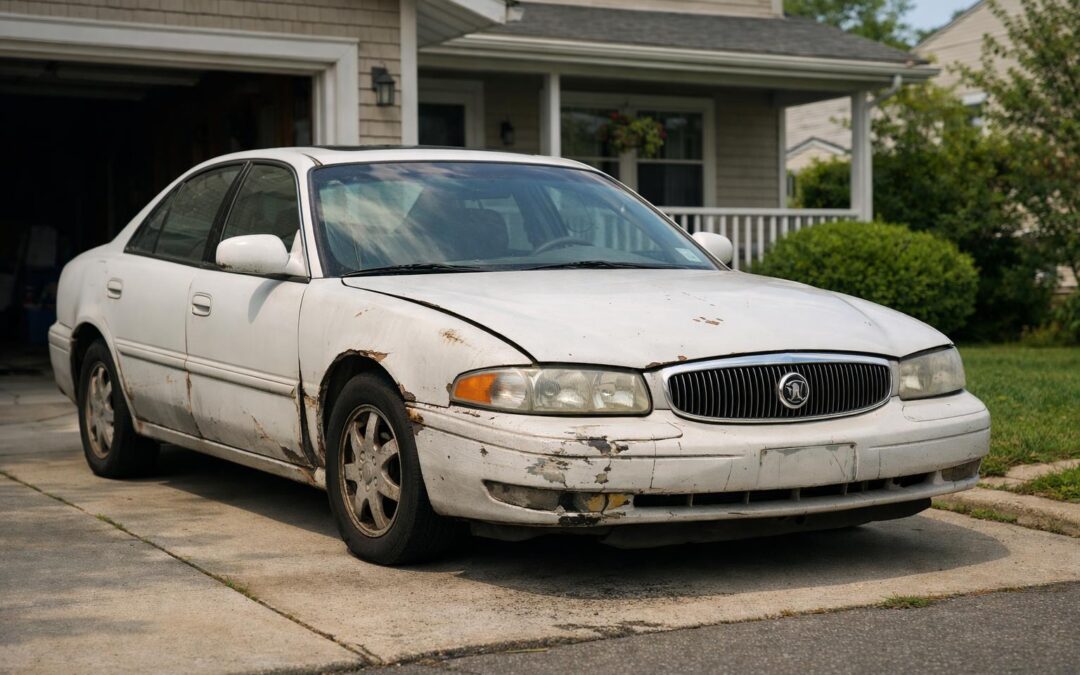
Cash For Damaged Cars Long Island: Turn Your Wreck Into Fast Money
Table of Contents
- What Does “Cash For Damaged Cars” Really Mean?
- Types Of Damaged Cars You Can Sell In Long Island
- How The Cash For Damaged Cars Process Works
- Documents You Need To Sell A Damaged Car In Long Island
- How To Maximize Your Payout For A Damaged Car
- Understanding How Buyers Value Damaged Vehicles
- Common Mistakes To Avoid When Selling A Damaged Car
- Frequently Asked Questions About Cash For Damaged Cars Long Island
- Sample Price Factors For Damaged Cars
- Conclusion: Is Cash For Damaged Cars In Long Island Worth It?
What Does “Cash For Damaged Cars” Really Mean?
When you see offers for cash for damaged cars Long Island, it usually refers to companies and local buyers who purchase vehicles in poor condition and pay you on the spot. These buyers do not require your car to run, pass inspection, or even be structurally sound. Instead, they focus on the parts, scrap metal, or repair and resale potential.
This option is popular among Long Island drivers who have vehicles that are too costly to repair, have been in accidents, flooded, or simply sat in a driveway for years. Rather than spending money to fix or store a broken car, you can convert it into quick cash.
Types Of Damaged Cars You Can Sell In Long Island
Many owners are surprised to learn that nearly any condition vehicle can attract a buyer. In the cash for damaged cars Long Island market, the following types of vehicles are commonly accepted:
- Totaled vehicles: Cars written off by insurance after serious collisions.
- Mechanical failures: Blown engines, failed transmissions, or vehicles that no longer start.
- Body damage: Major dents, panels missing, or severe rust.
- Flood or fire damage: Vehicles affected by water or fire, even if the electrical systems are compromised.
- Non-running cars: Vehicles that have been sitting for months or years without operation.
- High-mileage cars: Cars with significant wear that are no longer worth repairing.
Long Island buyers often care more about the vehicle’s parts and metal value than its appearance, so even a car that looks unsalvageable can still put money in your pocket.
How The Cash For Damaged Cars Process Works
The process of selling a damaged car on Long Island has become more streamlined in recent years. While individual buyers may work differently, the general steps are similar.
-
Request a quote
You start by providing basic details: year, make, model, mileage, level of damage, and whether the car runs. Honest descriptions lead to more accurate offers.
-
Receive a cash offer
Based on your description, a buyer calculates what they can pay. Offers may be higher if your vehicle still runs or has valuable parts in demand on Long Island.
-
Schedule pickup
Many cash for damaged cars services in Long Island offer free towing. You set a convenient date and time for pickup at your home, workplace, or storage location.
-
Complete paperwork
At pickup, you provide the title and any required documents. The buyer finalizes the paperwork to legally transfer ownership.
-
Get paid on the spot
Once documents are signed and verified, you receive payment, often in cash or a certified form of payment.
This process avoids the hassle of private listings, negotiating with multiple buyers, or paying to have a non-running vehicle towed.
Documents You Need To Sell A Damaged Car In Long Island
Proper documentation is essential to smoothly sell a damaged car in Long Island. Requirements can vary by situation, but the following items are commonly needed.
- Vehicle title: The most important document. It must typically be in your name and free of unresolved liens.
- Valid identification: A driver’s license or other government-issued ID to confirm you are the legal owner.
- Registration (if available): Helpful but not always mandatory if the title is clear.
- Bill of sale: Some buyers provide this to confirm the terms of the transaction and sale price.
- Insurance information: Not always required for the sale, but you should contact your insurer to cancel coverage after the vehicle is sold.
If you do not have a title, some buyers may still work with you depending on state rules and the vehicle’s history, but your options may be more limited. It is often worth researching how to replace a lost title before you begin.
How To Maximize Your Payout For A Damaged Car
Even if your vehicle is in rough shape, you can often influence the amount of cash you receive. When selling a damaged car in Long Island, small steps can add up to a better offer.
-
Gather accurate information
Have your VIN, mileage, and a clear description of the damage ready. Clear information leads buyers to trust your listing and offer a fair price.
-
Remove personal belongings
Clean out the glove box, trunk, and cabin. A quick cleanup makes inspection easier and avoids delays on pickup day.
-
Know your car’s key features
Mention valuable features such as alloy wheels, leather seats, upgraded audio, or recent repairs that may still have value despite the damage.
-
Get multiple offers
Comparing offers from different Long Island buyers can help you understand the true range of your car’s value.
-
Have your paperwork ready
When buyers see that your title and ID are ready, they are often more comfortable offering stronger prices, knowing the sale will be smooth.
In some cases, you may also remove high-value aftermarket parts before selling, but always inform buyers accurately about what is and is not included with the vehicle.
Understanding How Buyers Value Damaged Vehicles
To understand offers for cash for damaged cars Long Island, it helps to know how buyers estimate value. They typically consider several factors at once.
- Year, make, and model: Popular models with strong demand for parts usually bring higher offers.
- Extent of damage: Light body damage is less serious than a blown engine or severe structural issues.
- Vehicle age and mileage: Newer and lower-mileage vehicles generally hold more value, even when damaged.
- Current scrap metal prices: If your car is being purchased mainly for scrap, market prices for metal can influence your payout.
- Part demand on Long Island: Some vehicles have engines, transmissions, or body panels that are in high local demand, which can raise the offer.
Because these factors interact, two damaged cars that look similarly rough can still bring very different offers.
Common Mistakes To Avoid When Selling A Damaged Car
Selling a damaged car is usually straightforward, but a few common mistakes can reduce your payout or complicate the process.
-
Withholding information
Not disclosing flood damage, salvage history, or major mechanical issues can lead to re-negotiation at pickup or cancellation.
-
Leaving the plates on
In many cases, you should remove your plates and return them according to local requirements to avoid future liability.
-
Forgetting to cancel insurance
After the sale, contact your insurer to cancel coverage so you are not paying for a car you no longer own.
-
Accepting the first low offer
If an offer seems unusually low, consider getting another quote to verify the value of your damaged vehicle.
-
Ignoring the title status
Unresolved liens, missing signatures, or an incorrect title name can delay or block the sale. Check everything in advance.
Being prepared and transparent usually leads to a smoother experience and a better final payout.
Frequently Asked Questions About Cash For Damaged Cars Long Island
1. Can I sell a car that does not run at all?
Yes. Many cash for damaged cars buyers in Long Island specialize in non-running vehicles. They typically provide towing and base their offer on parts and scrap value rather than drivability.
2. Do I need a title to sell a damaged car?
In most cases, a clear title is strongly preferred and often required. If your title is lost or damaged, you may need to obtain a replacement before selling. Some buyers may consider vehicles without titles under specific conditions, but your options are more limited.
3. How fast can I get paid for my damaged car?
Many Long Island buyers can schedule same-day or next-day pickups, depending on your location and availability. Payment is usually made at pickup, after a quick inspection and completion of paperwork.
4. Is it better to sell privately or to a cash for damaged cars service?
Private sales can sometimes bring a higher price, but they usually require more time, repairs, advertising, and negotiations. Cash for damaged cars services focus on speed and convenience, making them attractive if your priority is quick, hassle-free payment.
5. What if my car has a salvage or rebuilt title?
Cars with salvage or rebuilt titles can still be sold. Buyers simply factor the title status into their offer. On Long Island, many damaged cars already carry salvage titles, so experienced buyers are familiar with handling them.
6. Will I be charged for towing?
Many cash for damaged cars services include towing at no extra cost, especially for Long Island pickups. Always confirm whether towing is free and ensure there are no hidden fees deducted from your final offer.
7. Can I sell a car that was in a flood or fire?
Yes. Flooded and fire-damaged vehicles are regularly purchased for parts and scrap. You should clearly describe the type of damage and when it occurred so offers can be calculated accurately.
8. What personal items should I remove before pickup?
Remove all personal belongings from the glove box, center console, under the seats, trunk, and any storage compartments. Also take out toll tags and remove your license plates according to local requirements.
9. How is the value of my damaged car determined?
Buyers typically consider the vehicle’s year, make, model, mileage, level of damage, title status, and current market conditions for scrap and parts on Long Island. Each factor contributes to the final offer you receive.
10. Can I cancel the sale if I change my mind?
Policies vary by buyer. Many will allow you to cancel before pickup without penalty, but it is best to clarify cancellation terms when you accept an offer for your damaged car.
Sample Price Factors For Damaged Cars
While every situation is unique, the following table shows how different conditions and characteristics can influence the typical relative value of a damaged car in Long Island. These are not exact prices but examples of how specific features may raise or lower potential offers.
| Vehicle Condition | Typical Characteristics | Relative Value Impact |
|---|---|---|
| Late-Model, Light Damage | Under 7 years old, runs, cosmetic body damage only | Higher offers due to strong parts and resale potential |
| Older, Non-Running | Over 10 years old, major mechanical failure, high mileage | Moderate offers based mainly on scrap and basic parts |
| Severe Structural Damage | Frame damage, heavy collision, may not be safe to repair | Lower offers, mostly for dismantling and scrap metal |
| Flood or Fire Damage | Electrical system compromised, interior damaged | Offers depend heavily on remaining usable parts |
| High-Demand Model | Popular brand with parts in demand on Long Island | Offers can be higher even with significant damage |
Conclusion: Is Cash For Damaged Cars In Long Island Worth It?
For many Long Island vehicle owners, trading a broken, unsafe, or unused car for fast cash is a practical solution. Instead of paying for storage, repairs, or towing, you can convert a problem vehicle into money while freeing up space on your property.
By understanding how the process works, preparing your documents, and comparing offers, you can confidently navigate the cash for damaged cars Long Island market. Whether your car is lightly damaged, completely totaled, or has been sitting for years, there is often still value left in it. With the right approach, you can capture that value quickly and move on without the burden of an unwanted damaged vehicle.
