
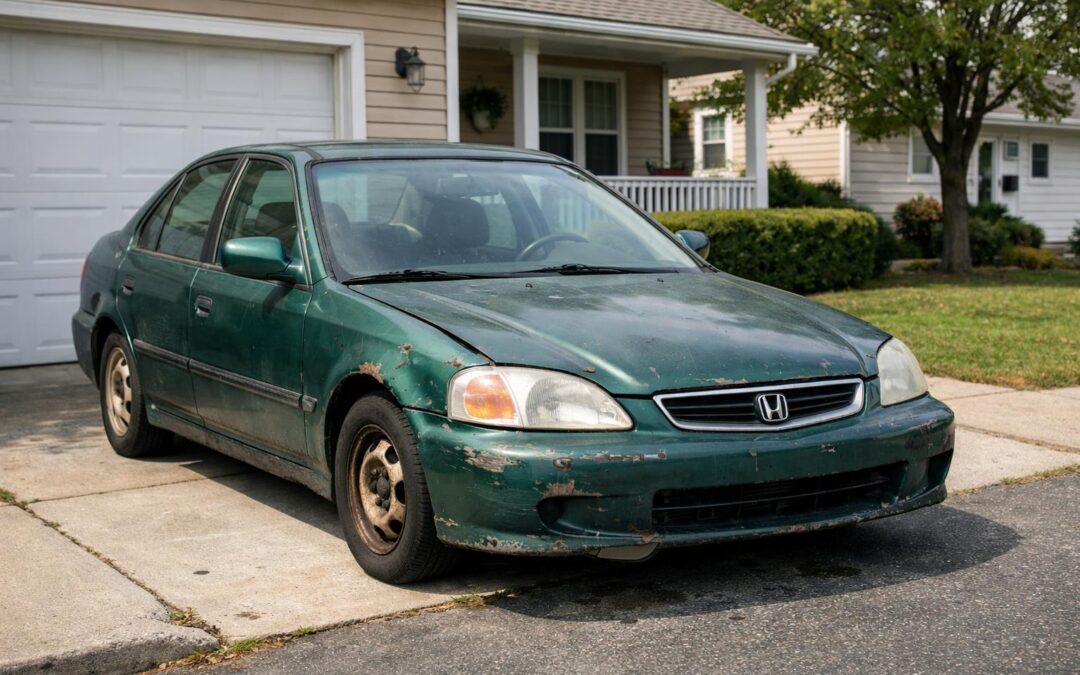
Cash For Non Running Cars Long Island: Get Top Dollar For Your Broken Vehicle
Table of Contents
- 1. What Does “Cash For Non Running Cars Long Island” Really Mean?
- 2. Types of Non Running Cars Buyers Accept on Long Island
- 3. How the Cash for Non Running Cars Process Works
- 4. Documents You Need to Sell a Non Running Car on Long Island
- 5. How to Maximize Your Cash Offer for a Non Running Car
- 6. Common Mistakes to Avoid When Selling a Non Running Car
- 7. Comparing Your Options: Junkyard vs. Private Buyer vs. Cash Car Buyer
- 8. Environmental and Legal Benefits of Selling a Non Running Car
- 9. Frequently Asked Questions About Cash For Non Running Cars Long Island
- 10. Conclusion: Turn Your Non Running Car Into Fast Cash
1. What Does “Cash For Non Running Cars Long Island” Really Mean?
The phrase cash for non running cars Long Island describes a simple service:
companies that buy vehicles that do not start, do not drive, or are too expensive to repair,
and pay you cash on the spot. These buyers operate throughout Nassau and Suffolk counties,
serving owners who want to remove unwanted vehicles quickly without paying for repairs, towing,
or advertising.
Instead of letting an inoperable car sit in your driveway, garage, or parking lot, you can
contact a specialized buyer, schedule a pickup, hand over the title, and walk away with cash.
This process is usually much faster than selling privately, and often more profitable than
sending the car straight to a scrapyard without research.
Whether your vehicle died on the Long Island Expressway, failed inspection in Queens before you
moved out east, or has been sitting in the yard for years, a cash-for-cars buyer can often
turn it into immediate money.
2. Types of Non Running Cars Buyers Accept on Long Island
Many owners assume their car is “too far gone” to have value. In reality, most cash for non
running cars Long Island buyers accept a wide range of conditions.
2.1 Common Conditions Accepted
- Engine failure or seized engines
- Transmission problems or no shifting
- Blown head gasket or overheating damage
- Electrical issues that prevent starting
- Vehicles that failed state inspection
- Flood or water damage
- Fire or smoke damage
- Severe mechanical neglect
2.2 Physical Damage and Accident Vehicles
- Totaled cars after an accident
- Vehicles with frame damage
- Missing parts (wheels, doors, interior components)
- Extensive rust damage from coastal weather
2.3 Vehicle Types Typically Purchased
- Cars and sedans of all makes and models
- SUVs and crossovers
- Pickup trucks and work trucks
- Minivans and passenger vans
- Some commercial vehicles and light-duty fleet vehicles
As long as you can prove ownership, it is likely that a Long Island buyer can make an offer,
even for very old or heavily damaged vehicles.
3. How the Cash for Non Running Cars Process Works
While every company has its own approach, the basic process to sell a non running car on Long
Island follows a few simple steps.
3.1 Step-by-Step Overview
-
Gather basic information about your car.
Note the year, make, model, trim, approximate mileage, and overall condition. Be ready to
describe mechanical issues and any major damage. -
Request a cash quote.
Call or submit the details online to a local buyer who specializes in cash for non running
cars Long Island. They will use your information to estimate the value. -
Review and accept the offer.
If you like the quoted amount, confirm a pickup time. Ask about towing fees (many reputable
buyers offer free towing). -
Prepare your documents and the vehicle.
Locate your title, remove personal items, and take off license plates if required in your
situation. -
Pickup, inspection, and payment.
On the scheduled day, a tow truck or driver arrives, checks the vehicle against your
description, completes paperwork, and pays you before loading the car. -
Notify the DMV and your insurance.
After the sale, you should cancel insurance and confirm any required DMV steps, such as
surrendering plates when necessary.
3.2 Typical Timeline on Long Island
In many Long Island communities, offers can be made within minutes, and pickups often occur
same-day or within 24 hours, depending on your location and schedule.
4. Documents You Need to Sell a Non Running Car on Long Island
Proper paperwork is essential to transfer ownership legally and protect yourself after the sale.
4.1 Core Documents
-
Vehicle Title
The title proves legal ownership. Ensure the name on the title matches your ID and that
there are no unresolved liens, unless the buyer specifically handles liened vehicles. -
Photo Identification
A valid driver’s license or other government-issued ID is usually required to verify that
you are the rightful owner. -
Vehicle Registration (if available)
Not always mandatory, but helpful, especially if there are discrepancies in records.
4.2 Optional but Helpful Information
- Maintenance records or receipts for major repairs
- Service history from your mechanic or dealership
- Any existing inspection reports
- Key and remote sets (including spares)
Providing more detailed information can sometimes support a better cash offer, especially
when recent repairs have added value to specific parts.
5. How to Maximize Your Cash Offer for a Non Running Car
Even if your vehicle does not start, certain steps can improve the amount of cash you receive.
5.1 Present Accurate and Honest Information
Overstating the condition of your car can backfire when the buyer arrives and inspects it in
person. Instead, describe damage and mechanical problems honestly. This helps the buyer give a
realistic quote that is less likely to change at pickup.
5.2 Compare Multiple Offers
Do not accept the first quote without comparing. Contact at least two or three companies that
advertise cash for non running cars Long Island. Your vehicle’s value can vary depending on:
- How they evaluate scrap metal prices
- Demand for your specific make and model for parts
- Their towing and processing costs
5.3 Remove Valuable Extras You Want to Keep
If you recently added new accessories that do not impact the vehicle’s core value, consider
removing them before sale, such as:
- High-end stereo systems
- Aftermarket wheels and tires (swap with safe, basic ones if available)
- Personal accessories like phone mounts and chargers
5.4 Understand What Affects Price
| Factor | How It Affects Cash Offer |
|---|---|
| Year, Make, Model | Popular models or newer cars often bring higher offers due to stronger parts demand. |
| Vehicle Weight | Heavier vehicles contain more metal and may have higher scrap value. |
| Condition of Engine and Transmission | Even if the car does not run, a repairable or rebuildable engine/transmission adds value. |
| Extent of Body Damage | Cars with straighter body panels and usable doors, hoods, and bumpers are more valuable for parts. |
| Title Status | Clean titles are easier to resell and usually bring higher offers than salvage or missing titles. |
| Location on Long Island | Distance from the buyer’s yard can influence towing costs and final offer amount. |
6. Common Mistakes to Avoid When Selling a Non Running Car
A few avoidable mistakes can lead to lower offers, unnecessary delays, or legal issues. Being
aware of them helps you secure a smoother transaction.
6.1 Accepting the First Offer Without Research
Some owners accept the first quote out of convenience. While speed is important, taking an
extra 10–15 minutes to compare offers can yield significantly more cash.
6.2 Ignoring Paperwork Requirements
Selling a car without proper title transfer or bill of sale can cause future headaches, such as
tickets, tolls, or liabilities tied to a vehicle you no longer own. Always confirm that:
- The title is signed correctly
- The buyer’s information is filled out where required
- You keep a copy or photo of the signed documents for your records
6.3 Forgetting Personal Belongings
Non running cars often become storage spaces over time. Before pickup, check thoroughly:
- Glove compartment
- Center console
- Door pockets
- Under seats and in seatback pockets
- Trunk or cargo area
6.4 Not Cancelling Insurance or Updating DMV
After you receive cash and the car leaves your property, follow up with your insurance company
and confirm any DMV steps to officially end your responsibility for the vehicle.
7. Comparing Your Options: Junkyard vs. Private Buyer vs. Cash Car Buyer
When you are trying to get cash for non running cars Long Island, there are
several avenues you can pursue. Each has pros and cons.
7.1 Selling to a Local Junkyard
- Pros: Fast, familiar process, often accepts vehicles in almost any condition.
- Cons: May offer only basic scrap value and might not include free towing.
7.2 Selling Privately
- Pros: Potentially higher sale price if you find a motivated buyer.
- Cons: Requires advertising, time, and dealing with tire-kickers; tough to
arrange towing for non running vehicles; more complicated paperwork.
7.3 Selling to a Specialized Cash Car Buyer
- Pros: Designed for quick transactions; often includes free towing; clear,
straightforward process tailored for non running cars. - Cons: Offers are usually based on wholesale, parts, and scrap values rather
than retail resale price.
In many cases, an experienced cash-for-cars service that regularly buys non running vehicles
across Long Island can strike the best balance of speed, convenience, and fair value.
8. Environmental and Legal Benefits of Selling a Non Running Car
Aside from the financial benefit, selling a non running car responsibly offers important
environmental and legal advantages.
8.1 Reducing Environmental Hazards
Abandoned or long-parked vehicles can leak fluids such as oil, coolant, brake fluid, and
transmission fluid into the ground. Proper removal and recycling ensures:
- Hazardous fluids are drained and disposed of correctly
- Reusable parts are salvaged and reintroduced into the market
- Metals are recycled, reducing the need for new raw materials
8.2 Avoiding Fines and Violations
Many Long Island municipalities have rules against storing inoperable vehicles on residential
properties or streets for extended periods. By selling your non running car, you:
- Lower the risk of code violations or fines
- Keep your property and neighborhood visually cleaner
- Reduce potential complaints from neighbors or homeowner associations
8.3 Clearing Space and Liability
A non running car can be a safety risk, especially if children play around it or if it is
parked in a way that obstructs other vehicles. Removing it frees up space, lowers liability,
and gives you more functional use of your driveway, garage, or yard.
9. Frequently Asked Questions About Cash For Non Running Cars Long Island
9.1 Can I sell a non running car without a title on Long Island?
In most cases, a title is required to sell a vehicle legally. Some buyers may help you navigate
lost title situations, but you should be prepared to prove ownership and may need to work with
the DMV to obtain a replacement title before the sale.
9.2 How much cash can I expect for a non running car?
The amount varies widely based on year, make, model, condition, and weight. Basic scrap vehicles
may bring a modest amount, while newer non running cars with valuable parts can bring
significantly higher offers. The only way to know is to request quotes with accurate details.
9.3 Do I have to pay for towing if my car does not run?
Many companies advertising cash for non running cars Long Island include free towing
in their offers. Always confirm this in advance so you are not surprised by hidden fees at
pickup.
9.4 How quickly can my non running car be removed?
Timing depends on your location and the buyer’s schedule, but in many areas of Long Island,
same-day or next-day pickups are common. Rural locations or busy seasons may require slightly
more time.
9.5 Should I repair my non running car before selling it?
Major repairs often cost more than the increase in sale value, especially for older vehicles.
If your mechanic quotes expensive engine or transmission work, getting cash for the non running
car and putting that money toward a more reliable vehicle can be a smarter choice.
9.6 What if my car is missing parts or badly damaged?
Missing or damaged parts will affect the offer, but most buyers still consider these vehicles.
Be clear about what is missing, such as wheels, catalytic converter, or airbags, so the buyer
can provide an accurate quote.
9.7 Will my car be resold or scrapped?
It depends on its condition and market demand. Some vehicles are repaired and resold, others
are used for parts, and some are recycled for their metal content. Regardless of what happens
next, once ownership is transferred, you are no longer responsible for the vehicle.
9.8 Is it better to donate my non running car or sell it for cash?
Donation can offer potential tax benefits if you itemize deductions, while selling provides
immediate cash. Your decision depends on your financial goals, tax situation, and whether you
prefer a direct monetary return or a charitable contribution.
9.9 Can you buy my car if it is still financed?
Selling a vehicle with an outstanding loan is more complex. Some buyers will work with your
lender to pay off the balance as part of the transaction, while others require a clear title.
You should know your payoff amount before requesting offers.
9.10 What areas of Long Island typically qualify for pickup?
Many services cover both Nassau and Suffolk counties, often including major towns, suburbs, and
surrounding communities. When you request a quote, provide your exact location so the buyer can
confirm coverage and schedule pickup efficiently.
10. Conclusion: Turn Your Non Running Car Into Fast Cash
A non running vehicle does not have to sit in your driveway draining your wallet and taking up
space. With cash for non running cars Long Island services, you can quickly
transform a broken, unwanted car into money you can use for repairs, bills, or a more reliable
vehicle.
By understanding how the process works, gathering the right documents, accurately describing
your car, and comparing offers, you position yourself to receive a fair price with minimal
hassle. Whether your car stopped running yesterday or has been idle for years, Long Island’s
cash-for-cars buyers provide a practical, legal, and environmentally responsible way to move
on from your old vehicle.
