
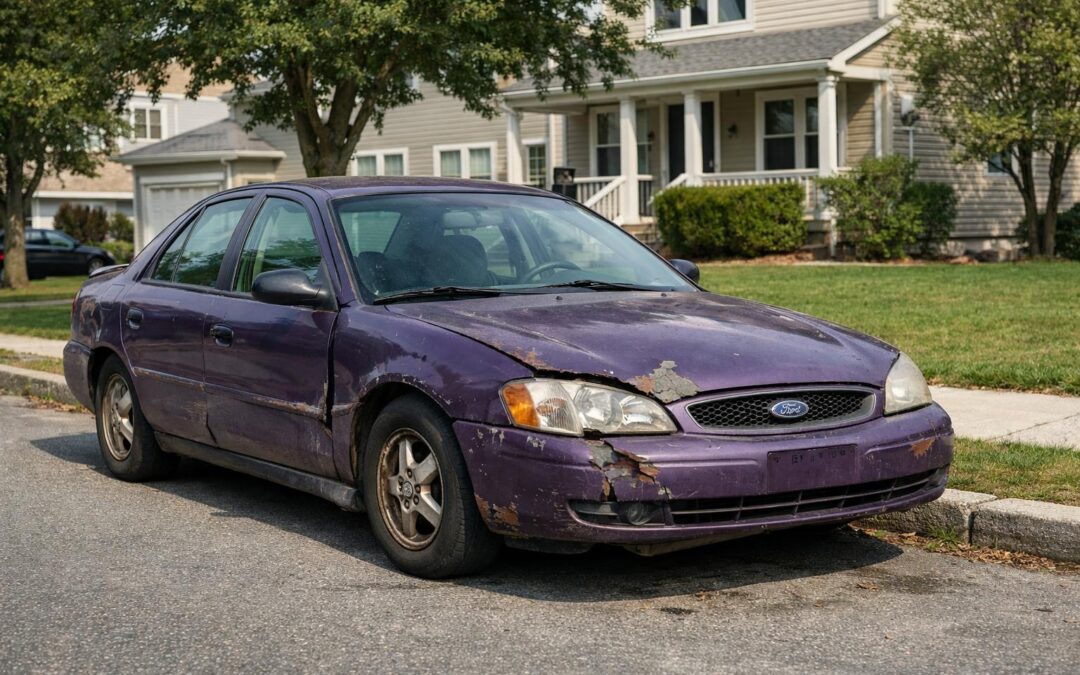
Sell Damaged Car Nassau County: The Complete Local Guide
Table of Contents
- What Counts as a Damaged Car?
- Why It Still Has Value in Nassau County
- Your Main Options to Sell a Damaged Car
- Documents You Need Before You Sell
- How to Maximize Your Payout
- Step-by-Step Process to Sell a Damaged Car in Nassau County
- Typical Prices for Damaged Cars in Nassau County
- Common Mistakes to Avoid
- FAQ: Selling a Damaged Car in Nassau County
- Conclusion
What Counts as a Damaged Car?
When you decide to sell a damaged car in Nassau County, it helps to understand how “damage” is typically defined. Different buyers will value the car differently depending on the type and extent of that damage.
Common categories of damage include:
- Collision damage: Front- or rear-end accidents, frame damage, bent suspension, or airbag deployment.
- Mechanical damage: Engine failure, transmission issues, blown head gasket, or persistent electrical problems.
- Flood or storm damage: Saltwater exposure, flooding from coastal storms, or waterlogged interiors.
- Fire damage: Engine-bay fires, interior burns, or melted components.
- Cosmetic damage: Dents, rust, peeling paint, cracked bumpers, or broken lights.
Even if the car is considered a total loss by your insurance company, you can often still sell it in Nassau County as a damaged or salvage vehicle.
Why It Still Has Value in Nassau County
Nassau County is a busy, densely populated area with strong demand for vehicles and auto parts. That demand keeps even heavily damaged cars valuable for several reasons.
- Parts resale: Many buyers want your car for usable parts such as engines, transmissions, body panels, wheels, and interiors.
- Scrap metal: Steel, aluminum, and catalytic converters are all worth money as scrap.
- Rebuild projects: Some body shops and mechanics buy wrecked cars to repair and resell.
- Export markets: Certain damaged vehicles are purchased to be repaired and exported overseas.
Because of these factors, selling a damaged car in Nassau County can be quicker and more profitable than simply abandoning or donating it without doing any research.
Your Main Options to Sell a Damaged Car
There are several ways to sell a damaged car in Nassau County, each with its own pros and cons.
Private Buyer
Selling privately can bring a higher price, but it usually takes more time and effort.
- Pros: Potentially higher sale price, more control over the negotiation.
- Cons: Need to advertise, meet buyers, handle test drives, and deal with title transfer yourself.
Local Dealership or Used Car Lot
Some dealers will buy damaged, high-demand vehicles or take them as trade-ins.
- Pros: Fast process, paperwork handled for you in most cases.
- Cons: Often lower offers than private sale; some dealers do not handle severely damaged or non-running cars.
Junkyard, Salvage Yard, or Scrap Buyer
Many damaged cars in Nassau County are sold directly to junkyards or salvage buyers.
- Pros: Very fast offers, many include free towing, no need for repairs.
- Cons: Payment is mostly based on weight and scrap value; less for rare or specialty parts unless you negotiate.
Specialized Damaged-Car Buyers
Some buyers focus specifically on wrecked or non-running vehicles.
- Pros: Streamlined process for damaged cars, comfortable with salvage titles, often available same-day or next-day.
- Cons: Offers depend heavily on the accuracy of your damage description and current scrap prices.
Documents You Need Before You Sell
New York State requires certain documents when you sell a damaged car in Nassau County. Having everything ready will speed up the process and help you avoid legal issues later.
- Vehicle title: You typically need the original New York title to transfer ownership. If it is a salvage or rebuilt vehicle, that will be reflected on the title.
- Valid ID: A government-issued ID for the seller, such as a driver’s license.
- Bill of sale: A written record of the transaction including buyer and seller information, price, VIN, and date of sale.
- Registration: Helpful to have, especially if you are meeting a private buyer, but not always required for junk or scrap buyers.
- Keys and remotes: Even if the car doesn’t run, having all keys and remotes can help increase the offer.
- Release of liability / notice of transfer: Make sure the DMV knows you no longer own the vehicle to avoid future tickets or tolls tied to your name.
If the title is lost or damaged, you may need to request a duplicate from the New York DMV before selling.
How to Maximize Your Payout
Even when your vehicle is damaged, there are smart steps you can take to get a better price in Nassau County.
- Gather maintenance records: Showing that you maintained the car well before the damage can increase its value.
- Know the real condition: Take note of mileage, mechanical issues, body damage, and interior condition so you can describe the car honestly and accurately.
- Remove personal items: Clean out the glovebox, trunk, seats, and storage compartments.
- Consider light, low-cost fixes: Replacing a dead battery or a missing mirror might add more value than the parts cost, but avoid expensive repairs on seriously damaged cars.
- Get multiple offers: Contact more than one buyer in Nassau County to compare prices, especially for scrap and salvage buyers.
- Time the sale: Scrap prices change; if possible, sell when metal prices are higher or before registration and insurance renewals.
Tip: Be transparent about the car’s problems. Honest descriptions often lead to faster deals and fewer last-minute reductions when the buyer inspects the vehicle.
Step-by-Step Process to Sell a Damaged Car in Nassau County
Use this simple process to move from “wrecked car in the driveway” to cash in hand.
- Assess your car: Write down the year, make, model, mileage, VIN, and all known damage.
- Decide your selling method: Choose between private sale, dealer, salvage yard, or specialized buyer.
- Collect documents: Title, ID, registration, and any repair or maintenance records.
- Request offers: Contact several buyers in Nassau County and provide accurate details to get quotes.
- Compare and negotiate: Look at offer amounts, towing fees (if any), and payment timing. Negotiate respectfully if you think your car is worth more.
- Schedule pickup or drop-off: Coordinate a time for towing or delivery, and make sure you know what paperwork to bring.
- Complete the sale: Sign over the title, collect payment, and fill out any bill of sale provided.
- Notify DMV and insurance: Cancel your insurance policy and notify the DMV of the sale to avoid future liability.
Typical Prices for Damaged Cars in Nassau County
The amount you can get when you sell a damaged car in Nassau County depends on several factors:
- Year, make, and model
- Mileage
- Type and extent of damage
- Current scrap metal prices
- Demand for parts from that specific vehicle
The following table provides general example ranges to illustrate how prices can vary. Actual offers may be higher or lower.
| Vehicle Condition | Example Description | Typical Price Range (Approx.) |
|---|---|---|
| Lightly Damaged | Runs and drives, cosmetic damage or minor mechanical issues | $800 – $3,000+ |
| Moderately Damaged | Some body and mechanical damage, may or may not run | $400 – $1,500 |
| Heavily Damaged / Non-Running | Severe collision, flood, or fire damage; used mainly for parts | $150 – $800 |
| Scrap Only | Very old, rusted, or stripped; valued mostly by weight | $100 – $400 |
Many Nassau County sellers are surprised to learn that even a completely non-running car still has scrap value and may include free towing in the offer.
Common Mistakes to Avoid
A few common mistakes can cost you time and money when you sell a damaged car in Nassau County.
- Accepting the first offer without comparison: Even a quick phone call to a second buyer can reveal a better price.
- Failing to transfer the title properly: Leaving the title in your name can expose you to tickets, tolls, or legal issues.
- Leaving plates on the car: In New York, you should remove and return plates to the DMV or transfer them as required.
- Paying for unnecessary repairs: Spending large amounts on a badly damaged car rarely pays off when you sell.
- Not disclosing major issues: Hidden flood or frame damage often leads to disputes or canceled deals.
- Ignoring storage or towing fees: Letting the car sit in a paid lot or impound yard builds up daily fees that reduce your net payout.
FAQ: Selling a Damaged Car in Nassau County
Can I sell a damaged car in Nassau County without a title?
In most cases, you need a valid New York title to legally transfer ownership. Some licensed dismantlers or salvage yards have limited options for vehicles without titles, but expect lower offers and extra verification steps. If possible, request a duplicate title from the DMV before selling.
Do I need to repair my damaged car before selling it?
No. For heavily damaged or non-running cars, repairs usually do not increase the sale price enough to justify the cost. It is often better to sell the car “as-is,” especially when dealing with junkyards, salvage buyers, or specialized damaged-car buyers in Nassau County.
Will a buyer tow my damaged car for free?
Many salvage yards and damaged-car buyers in Nassau County include free towing, especially for non-running vehicles. Always confirm towing costs before agreeing to a price, because a “high” offer can become less attractive if you have to pay for your own tow.
How do I handle insurance when I sell a damaged car?
Once the sale is complete and the title is signed over, contact your insurance company to cancel or adjust your policy. If your car was declared a total loss and you kept the salvage, be sure to clarify coverage with your insurer while you are arranging the sale.
What if my damaged car still has a loan on it?
If there is an outstanding lien, you generally must pay off the loan or work with the lender to receive a lien release before you can legally transfer the title. Some buyers may be able to send payment directly to your lender, but you must coordinate carefully so the title can be properly transferred.
Is it legal to sell a flood-damaged or salvage car in Nassau County?
Yes, as long as you follow New York laws and disclose the vehicle’s true condition and title status. Flood damage and salvage titles must not be hidden from the buyer. Misrepresenting a vehicle can result in legal problems and canceled sales.
How fast can I sell a damaged car in Nassau County?
The timeline depends on how you sell. Private sales can take days or weeks, while salvage yards and specialized buyers may complete the transaction the same day or within 24–48 hours, especially if towing is included.
What information should I have ready when requesting quotes?
Be ready with the year, make, model, mileage, VIN, general condition, and details of the damage. Mention whether the car runs or drives, and if you have the title on hand. The more precise you are, the more accurate and reliable your offers will be.
Conclusion
Selling a damaged car in Nassau County does not have to be complicated or time-consuming. By understanding what buyers are looking for, preparing your documents, and comparing multiple offers, you can turn a wrecked or non-running vehicle into cash with minimal stress.
Assess your car honestly, decide which selling route fits your needs, and follow a clear step-by-step process. Whether your car has minor cosmetic issues or severe collision damage, there is almost always a buyer in Nassau County ready to make an offer when you are prepared.
