
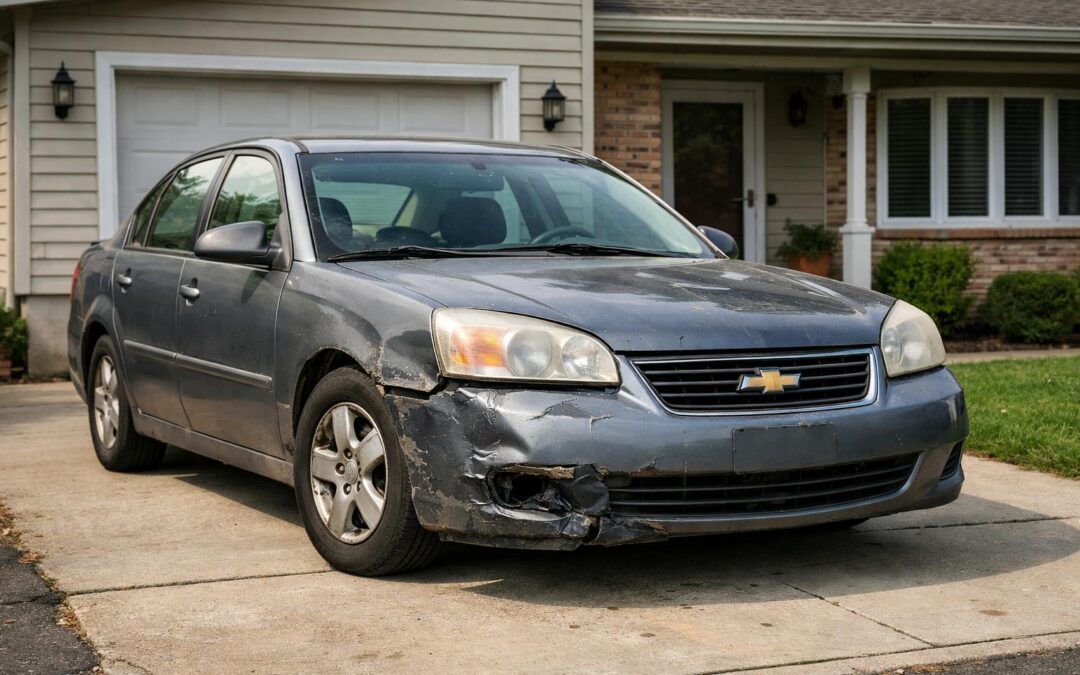
How to Sell a Damaged Car in Suffolk County: Complete Local Guide
Table of Contents
- What Counts as a Damaged Car?
- Understanding Your Options in Suffolk County
- How to Estimate the Value of a Damaged Car
- Documents You Need to Sell a Damaged Car
- Step-by-Step Process to Sell a Damaged Car in Suffolk County
- Tips to Get the Best Offer for Your Damaged Car
- Common Mistakes to Avoid
- Frequently Asked Questions About Selling a Damaged Car in Suffolk County
- Conclusion: The Smart Way to Sell a Damaged Car in Suffolk County
What Counts as a Damaged Car?
If you want to sell a damaged car in Suffolk County, it helps to understand what “damaged” really means. In practice, almost any car with a condition issue can fall into this category, not just vehicles that have been totaled.
Common types of damaged vehicles include:
- Collision-damaged cars with body, frame, or structural damage from accidents.
- Mechanical failure cars with blown engines, transmission problems, or major system issues.
- Flood or water-damaged cars affected by storms, coastal flooding, or heavy rain.
- Fire or electrical-damaged cars with burnt components or wiring issues.
- Hail and weather-damaged cars with dents, broken glass, or severe rust.
- Non-running or “as-is” cars that cannot be safely driven on public roads.
Even if your car still runs, you may consider it damaged if repairs cost more than you are willing to pay or more than the car’s market value.
Understanding Your Options in Suffolk County
Suffolk County drivers have several ways to sell a damaged vehicle. Each method has different pros, cons, and timeframes.
1. Selling to a Private Buyer
You can try to find a private buyer who is specifically looking for a project car, parts car, or budget vehicle. This can sometimes bring a higher price, but it usually takes more time, effort, and communication.
2. Selling to a Local Junkyard or Salvage Yard
Many owners choose to sell a damaged car to a junkyard, scrap yard, or auto recycler. These buyers typically:
- Purchase vehicles in almost any condition.
- Offer payment based on weight, scrap value, and usable parts.
- May provide towing or same-day pickup.
3. Selling to a Damaged Car Buyer or Cash-for-Cars Service
Specialized damaged car buyers focus on purchasing wrecked, non-running, or high-mileage vehicles. They usually:
- Provide fast quotes over the phone or online.
- Offer free towing from your location in Suffolk County.
- Pay cash or certified funds at pickup.
4. Trading In at a Dealership
Some dealerships will accept a damaged car as a trade-in toward a newer vehicle. However:
- The trade-in value for a damaged car is typically lower.
- Severe damage or salvage titles may be declined.
- The value offered is often bundled into the deal for your next car.
5. Parting Out the Vehicle Yourself
If you have time, tools, and space, you can remove valuable parts and sell them separately. This may maximize your total return but is usually the slowest and most labor-intensive method.
How to Estimate the Value of a Damaged Car
To sell a damaged car in Suffolk County confidently, you should have a realistic idea of its worth. Use multiple methods to get a clearer picture of value.
Factors That Affect Price
- Age and mileage of the car.
- Make and model and whether parts are in high demand.
- Extent and type of damage (cosmetic vs. structural vs. mechanical).
- Title status (clean, rebuilt, or salvage).
- Ability to start and drive or if it is completely non-running.
Using Market Guides as a Starting Point
You can look up the approximate value of your car in good condition using standard pricing guides. Then, adjust downward based on damage severity. The more severe the issues, the closer you will get to parts or scrap value.
Scrap vs. Repair vs. Parts Value
A car’s value often falls into one of three categories:
- Scrap value: Based primarily on metal weight and recycling value.
- Repairable value: When someone might fix and resell the car.
- Parts value: When the vehicle has components that can be sold individually.
Sample Value Comparison Table
| Vehicle Condition | Typical Buyer Type | Expected Price Range (Relative) | Average Time to Sell |
|---|---|---|---|
| Light cosmetic damage, drivable | Private buyer / Dealer | Highest | Medium to Long |
| Mechanical issues, still starts | Damaged car buyer / Mechanic | Medium | Short to Medium |
| Severe damage, non-running | Junkyard / Salvage yard | Low to Medium | Very Short |
| Stripped or missing major parts | Scrap buyer / Recycler | Lowest | Very Short |
Documents You Need to Sell a Damaged Car
New York State has specific requirements for transferring vehicle ownership. When you sell a damaged car in Suffolk County, prepare these documents in advance.
1. Vehicle Title
In most cases, you need the original title to sell or transfer a car. Ensure that:
- All owners listed on the title sign in the appropriate sections.
- Any liens are resolved or properly documented as satisfied.
2. Bill of Sale
A bill of sale records the transaction details. It typically includes:
- Buyer and seller information.
- Vehicle details (VIN, make, model, year).
- Sale date and purchase price.
- Statement that the car is sold “as-is,” especially important for damaged vehicles.
3. Photo ID
The buyer may request a government-issued photo ID to confirm your identity and match it with the title.
4. Keys and Accessories
Gather all keys, remote fobs, and any accessories that came with the car. Buyers may offer more when everything is included and accounted for.
5. Service and Repair Records (If Available)
Maintenance and repair records can help justify your asking price, particularly if you recently replaced major parts or systems before the damage occurred.
Note: Requirements can vary depending on the exact buyer type and the status of your title. Always confirm what paperwork the buyer expects before scheduling pickup.
Step-by-Step Process to Sell a Damaged Car in Suffolk County
The following steps outline a practical, streamlined process to sell a damaged vehicle locally.
Step 1: Assess the Damage Honestly
Walk around the vehicle and take notes on:
- Visible exterior damage.
- Interior condition.
- Mechanical issues you are aware of.
- Whether the car starts, runs, and drives safely.
Step 2: Collect Your Vehicle Information
Before requesting offers, have the following information ready:
- Year, make, and model.
- Vehicle Identification Number (VIN).
- Approximate mileage.
- Title status (clean, salvage, rebuilt, or missing).
Step 3: Request Multiple Offers
Contact different buyer types in Suffolk County:
- Local junk or salvage yards.
- Damaged car buyers or cash-for-cars services.
- Interested private buyers, if you choose that route.
Provide accurate descriptions of damage so the quotes you receive are realistic and comparable.
Step 4: Compare Price, Convenience, and Services
When you compare offers, consider:
- Final cash amount after any fees.
- Whether towing is free or extra.
- How quickly they can pick up the vehicle.
- Payment method and when you get paid.
Step 5: Prepare Paperwork and Remove Personal Items
Once you select a buyer:
- Fill out and sign the title as required.
- Complete or review the bill of sale.
- Remove license plates, personal documents, and belongings from the car.
- Cancel your insurance after the sale is finalized.
Step 6: Complete Pickup and Payment
On pickup day:
- Verify the buyer’s identity and agreed price.
- Sign any remaining documents.
- Hand over keys, title, and bill of sale.
- Collect payment before the vehicle is towed away.
Tips to Get the Best Offer for Your Damaged Car
Even with significant damage, you can often improve the amount you receive by following a few simple strategies.
Be Clear and Detailed About the Damage
Buyers make better offers when they trust your description. Provide:
- Honest notes about issues and what still works.
- Odometer reading and any warning lights on the dashboard.
- Information on previous accidents or major repairs.
Highlight Recent Maintenance or New Parts
If you have recently:
- Installed new tires.
- Replaced the battery.
- Serviced the brakes or suspension.
- Added new aftermarket parts.
Make sure you mention these investments. They can increase the salvage or parts value of your damaged vehicle.
Remove Aftermarket Items You Want to Keep
If you have expensive audio systems, custom wheels, or other upgrades you want to reuse or sell separately, remove them before the vehicle is picked up, and reinstall safe, basic equivalents when possible.
Get At Least Three Quotes
Prices for damaged cars in Suffolk County can vary widely. A short round of quote requests may produce offers that differ by a significant margin, giving you leverage to choose or negotiate.
Be Ready to Sell Quickly
Some buyers offer their best prices when they can pick up the vehicle quickly. Having your paperwork and personal items ready can help you take advantage of these offers.
Common Mistakes to Avoid
To make your experience smoother and more profitable, avoid these frequent errors when you sell a damaged car in Suffolk County.
1. Misrepresenting the Vehicle’s Condition
Leaving out details or exaggerating the car’s condition can lead to:
- Reduced offers at pickup time.
- Delays or cancellations.
- Disputes with the buyer.
Provide accurate information from the beginning to avoid issues.
2. Forgetting to Remove License Plates and Personal Data
Always:
- Remove your license plates and return them as required.
- Clear personal belongings, registration documents, and mail from the car.
- Delete Bluetooth connections and phone data from the vehicle system if applicable.
3. Not Canceling Insurance After the Sale
Once the vehicle is sold and picked up:
- Contact your insurance company to cancel or adjust your policy.
- Confirm the effective cancellation date to avoid unnecessary charges.
4. Accepting the First Offer Without Comparison
Even if the first offer sounds reasonable, it may not reflect the true market. Taking a little time to compare can add more money to your pocket.
5. Ignoring the Title Status
If your title is missing, branded, or has an active lien, address this before selling. Different buyers have different rules regarding title problems, so clarify expectations up front.
Frequently Asked Questions About Selling a Damaged Car in Suffolk County
Can I sell a damaged car in Suffolk County if it does not run?
Yes. Many buyers in Suffolk County specialize in non-running vehicles. They typically provide towing and base their offer on parts, scrap, and salvage value rather than the car’s ability to drive.
Do I need a title to sell my damaged car?
In most cases, yes. A valid title is usually required to transfer ownership legally in New York. Some scrap or salvage buyers may have specific processes for vehicles without titles, but that is not guaranteed. Always ask the buyer what they require.
How much is my damaged car worth?
It depends on the make, model, year, mileage, and extent of damage. Lightly damaged, drivable cars typically bring more than severely damaged or non-running vehicles. Getting several quotes is the best way to identify a fair price.
Is it better to repair my car before selling it?
Not always. If repair costs are close to or higher than the car’s value after repair, selling the vehicle as-is to a damaged car buyer, junkyard, or private buyer may be more economical and less stressful.
How fast can I sell a damaged car in Suffolk County?
If you sell to a local junkyard or damaged car buyer, you can often complete the sale within one or two days, sometimes the same day. Private sales usually take longer, depending on demand and your asking price.
Will a salvage title affect how much I get?
Yes. A salvage or rebuilt title typically lowers a vehicle’s market value. Buyers factor the title status into their offers, especially if they are considering repairing and reselling the car.
Can I sell a damaged car if I still owe money on it?
You can, but you must address the loan or lien first. Typically, the loan must be paid off, and the lien released before the title can be transferred. Some buyers will help coordinate payoff, but details vary.
What should I do with my license plates after selling?
Remove the plates from the vehicle before it is towed or driven away. Follow New York State guidelines regarding plate return or transfer, and update your insurance provider accordingly.
Conclusion: The Smart Way to Sell a Damaged Car in Suffolk County
To successfully sell a damaged car in Suffolk County, you need clear information, realistic expectations, and a simple plan. Start by identifying your car’s condition, gathering the necessary documents, and requesting several offers from different buyer types. Compare price, convenience, and included services like towing, then choose the buyer that best fits your needs.
By staying honest about your car’s condition, preparing your paperwork, and avoiding common mistakes, you can turn a damaged or non-running vehicle into cash with minimal hassle, freeing up space and eliminating ongoing insurance or storage costs.
