
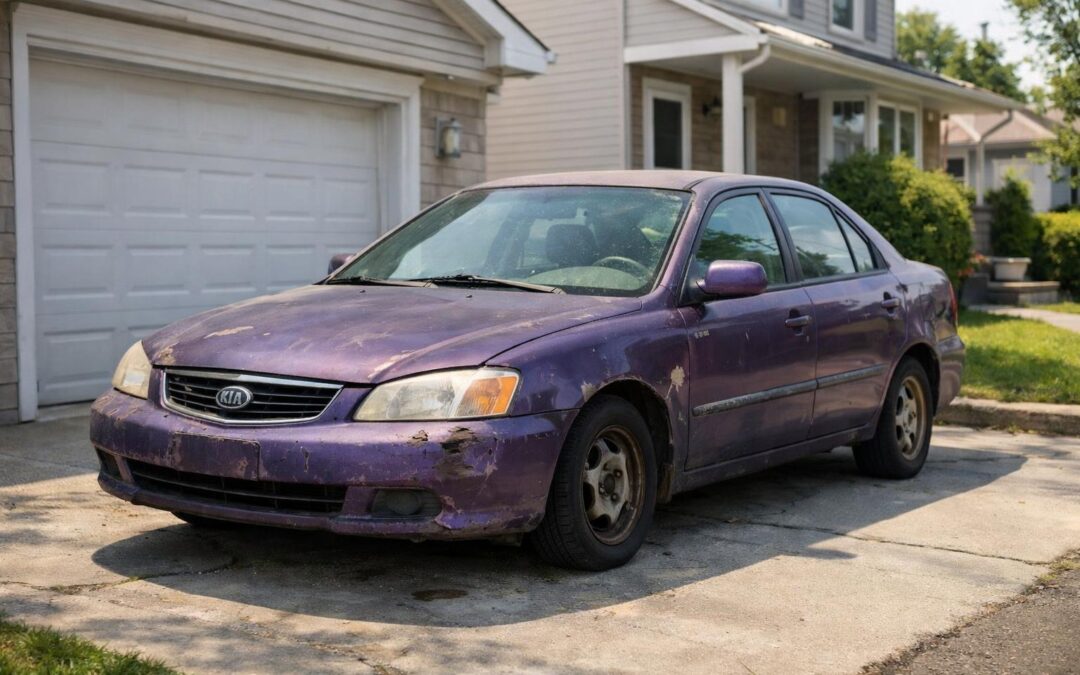
Sell Junk Car Long Island: The Complete Local Guide
Table of Contents
- 1. What “Sell Junk Car Long Island” Really Means
- 2. How to Know If Your Car Counts as a Junk Car
- 3. Steps to Sell a Junk Car on Long Island
- 4. Documents You Need in New York State
- 5. How Much Is Your Junk Car Worth on Long Island?
- 6. Comparing Junk Car Buyers on Long Island
- 7. Avoiding Scams When You Sell a Junk Car
- 8. Environmental Benefits of Junk Car Removal
- 9. Frequently Asked Questions About Selling a Junk Car on Long Island
- 10. Conclusion: Turn Your Junk Car into Cash on Long Island
1. What “Sell Junk Car Long Island” Really Means
When people search for Sell Junk Car Long Island, they usually want a fast and legal way to get cash for an unwanted vehicle anywhere in Nassau or Suffolk County. A junk car can still be running or completely dead; what matters is that it is no longer worth repairing or keeping.
On Long Island, there are many local junkyards, scrap metal recyclers, and specialized junk car buyers who focus on:
- Buying vehicles in almost any condition
- Providing free or low-cost towing from your property
- Handling basic paperwork so the sale is legal and final
- Paying cash or check the same day they pick up the car
2. How to Know If Your Car Counts as a Junk Car
Not every older vehicle is a junk car. To decide whether it makes sense to sell a junk car on Long Island, consider these points:
- Age and mileage: Over 10–15 years old with high mileage and frequent repairs.
- Repair cost vs. value: Needed repairs cost more than the current market value.
- Title issues: Salvage title, total loss history, or major accident damage.
- Mechanical condition: Engine failure, transmission issues, or safety problems.
- Registration status: Not registered, not inspected, or sitting unused for long periods.
If you are spending more money each year to keep the car barely running than it is worth, treating it as a junk car and selling it to a local buyer is often the most practical option.
3. Steps to Sell a Junk Car on Long Island
Selling a junk car on Long Island can be quick if you follow a clear step-by-step process. Here is a simple roadmap:
-
Gather basic information about your car
- Make, model, and year
- Approximate mileage
- Condition of engine, transmission, and major parts
- Whether it starts, drives, or is completely inoperable
- Any missing parts, major damage, or flood/fire history
-
Locate Long Island junk car buyers
- Search locally in Nassau and Suffolk County
- Call several buyers to compare offers
- Ask if they charge for towing and how they pay
-
Request quotes
- Provide honest and detailed information about the vehicle
- Get offers in writing when possible (text, email, or quote number)
- Ask how long each quote is valid
-
Choose the best offer
- Consider total payout, towing fees, and pickup timing
- Check if the buyer handles DMV paperwork or if you must do it
-
Prepare the car for pickup
- Remove personal items and plates
- Have the title and keys ready
- Park the car in a location accessible to a tow truck
-
Complete the sale
- Sign over the title properly
- Verify payment before the car is loaded
- Keep a copy of any bill of sale or receipt
-
Handle after-sale steps
- Return or destroy plates according to NY rules
- Cancel your insurance on the sold vehicle
- Notify the DMV if required
4. Documents You Need in New York State
To sell a junk car on Long Island legally, you must follow New York State DMV rules. The exact requirements can vary, but most sellers will need:
- Vehicle title: Also called a Certificate of Title, in your name with no unresolved liens.
- Valid ID: Driver license or other government-issued identification.
- Registration (if available): Helpful but not always required if you have the title.
- Bill of sale: Some buyers provide this; it can help document the transaction.
If you do not have the title, many Long Island junk car buyers can only purchase your vehicle for scrap under stricter rules, or they may require you to obtain a duplicate title from the DMV first.
Always make sure the name on the title matches your ID. If there is a mistake, lien, or inherited vehicle situation, you may need to resolve it with the New York DMV before selling your junk car.
5. How Much Is Your Junk Car Worth on Long Island?
The value of a junk car depends on many factors, including metal prices, parts demand, and condition. On Long Island, where space is limited and towing costs are higher than in many rural areas, actual cash offers can vary widely.
Here are typical factors that influence what you will be paid:
- Weight and metal content: Heavier vehicles often bring more scrap value.
- Vehicle type: Trucks, SUVs, and vans may pay more than compact cars.
- Condition: Running vehicles or those with valuable parts can earn extra.
- Demand for parts: Popular makes and models can be worth more to recyclers.
- Location and towing distance: Remote areas of Suffolk might get lower offers due to towing costs.
| Condition of Junk Car | Typical Buyer Interest | Relative Payout Range (Long Island) |
|---|---|---|
| Non-running, severe damage, no title | Scrap metal only | Lowest |
| Non-running but complete, has title | Scrap plus basic parts | Low to medium |
| Runs but needs major repairs | Parts and possible resale | Medium |
| High mileage but drivable and clean title | Resale or parts vehicle | Medium to high |
| Popular model with strong parts demand | High parts value | Higher |
The exact dollar amount will depend on current scrap prices and your specific vehicle, but getting multiple quotes from Long Island buyers is the simplest way to maximize your payout.
6. Comparing Junk Car Buyers on Long Island
Not all buyers offering to help you sell a junk car on Long Island are the same. Before you agree to a pickup, compare:
- Offer amount: The most obvious factor, but not the only one.
- Towing fees: Some include free towing; others deduct it from your payout.
- Payment method: Cash, certified check, or other formats; verify before they arrive.
- Pickup speed: Same-day or next-day service can be important if you need space or quick cash.
- Paperwork assistance: Help with title transfer and guidance about plates and DMV steps.
- Service area: Whether they cover your specific part of Nassau or Suffolk County.
Ask clear questions over the phone or in writing, and do not be afraid to walk away from a buyer if their answers are vague or if they try to change the quoted price without a good reason upon arrival.
7. Avoiding Scams When You Sell a Junk Car
Because many junk car deals happen quickly and involve cash, there is room for dishonest behavior. Protect yourself by following these guidelines when you sell a junk car on Long Island:
- Never sign the title until you see payment.
- Verify the total price before pickup. Confirm if there are any hidden charges.
- Do not accept incomplete or post-dated payments. Ask for cash or a certified form of payment.
- Meet in a safe, visible location if possible. At home, have someone else present.
- Check that the buyer’s name and business details are legitimate.
- Remove plates and cancel insurance promptly. This reduces your liability after the sale.
If a buyer pressures you, drastically lowers the price on arrival without valid reasons, or refuses to provide their name or company information, consider it a warning sign and look for another buyer.
8. Environmental Benefits of Junk Car Removal
Selling a junk car is not only about cash; it also has environmental benefits that are especially important on Long Island, where land and water resources are sensitive.
- Prevents fluid leaks: Old vehicles can leak oil, coolant, and other fluids that seep into the ground.
- Recycles metal and parts: Steel, aluminum, and various components are reused instead of ending up in landfills.
- Reduces illegal dumping: Proper disposal discourages abandoned cars on lots and side streets.
- Saves energy: Recycling metals uses far less energy than producing new metals from raw materials.
By choosing a reputable Long Island junk car buyer who recycles properly, you turn an eyesore into resources while freeing up space on your property or in your driveway.
9. Frequently Asked Questions About Selling a Junk Car on Long Island
1. Do I need a title to sell my junk car on Long Island?
In most cases, yes. New York State requires a valid title for a complete legal sale. Some buyers may purchase vehicles strictly for scrap without a title under special conditions, but your options and payout will be limited. Whenever possible, obtain a replacement title from the DMV before selling.
2. How much can I expect to get for a junk car on Long Island?
The amount varies widely based on weight, condition, and parts value. Lightweight, badly damaged cars with no title may bring a low payout, while heavier or more popular models in better shape can yield more. Getting multiple quotes from Long Island buyers is the best way to find the current going rate for your specific vehicle.
3. Will the buyer tow my car for free?
Many junk car buyers on Long Island offer free towing, especially if you are close to their yard or if your car has decent scrap value. Others may charge a towing fee or subtract it from your payout. Always ask about towing costs upfront when comparing offers.
4. How fast can I sell my junk car?
In many parts of Nassau and Suffolk County, same-day or next-day pickup is possible, especially if you call early in the day and have your paperwork ready. If you need quick removal because of parking rules, HOA issues, or a move, mention that when you request quotes.
5. What should I remove from my junk car before it is picked up?
Take out all personal belongings, such as documents, electronics, and any items stored in the trunk or glove box. Remove your license plates according to New York rules, and if you recently installed a valuable stereo or aftermarket part you want to keep, remove it before the tow truck arrives.
6. Is it better to donate my junk car or sell it?
It depends on your priorities. Selling a junk car on Long Island provides immediate cash and is straightforward. Donating might offer a tax deduction, but the value can be modest and requires proper documentation. If you want simple, fast money and cleanup, selling is usually easier; if you prefer supporting a cause, donation may appeal to you.
7. Can I sell a junk car that still has a loan on it?
If a lender is listed on the title as a lienholder, you generally must satisfy the loan and obtain a lien release before you can transfer ownership. Without clearing the lien, buyers may not be able to complete the purchase legally. Contact your lender first, then the DMV if you need details about lien removal.
8. What if my junk car has been sitting for years without registration?
Long periods without registration do not automatically prevent you from selling. What matters most is that you have legal ownership and the necessary paperwork, especially the title. The buyer will treat the vehicle as a junk or scrap car, but the process is similar as long as you can prove you are the owner.
9. Are there any extra rules for selling junk cars near the beaches or shorelines?
The basic sale rules are the same, but local towns on Long Island may be stricter about abandoned or inoperable vehicles near beaches and residential areas. If your car is on a sensitive property or public street, you may need to move it quickly to avoid fines, making fast pickup by a junk car buyer especially important.
10. Do I have to be present when the junk car is picked up?
It is strongly recommended that you or another authorized person be present. You need to sign paperwork, hand over keys, and verify payment. Some buyers may allow specific arrangements if you cannot be there, but this should be arranged clearly in advance for your protection.
10. Conclusion: Turn Your Junk Car into Cash on Long Island
If you are searching for Sell Junk Car Long Island, you already know that an old, unused vehicle takes up space and can cause headaches. By understanding what counts as a junk car, gathering the right documents, and comparing multiple local buyers, you can turn that problem into quick cash while following New York State rules.
Be honest about your vehicle’s condition, ask direct questions about towing and payment, and always protect yourself by handling the title correctly. When done right, selling a junk car on Long Island is a simple way to clear your driveway, protect the environment, and put money back in your pocket.
