
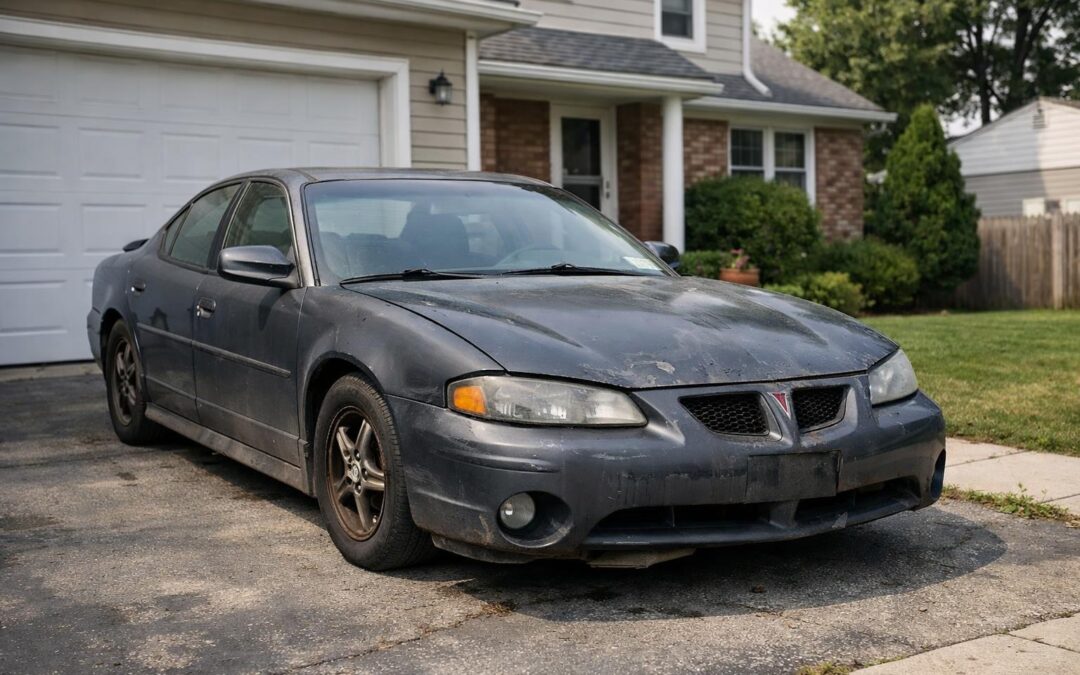
Sell Non Running Car Long Island: Get Top Dollar for Your Broken Vehicle
Table of Contents
- What Does It Mean to Sell a Non Running Car on Long Island?
- Types of Non Running Cars Buyers Will Still Purchase
- How to Determine What Your Non Running Car Is Worth
- Best Places to Sell a Non Running Car on Long Island
- Step-by-Step Process to Sell a Non Running Car Long Island
- Documents You Need Before You Sell
- How to Maximize Your Payout for a Non Running Vehicle
- Common Mistakes to Avoid When Selling a Non Running Car
- Frequently Asked Questions About Selling a Non Running Car on Long Island
- Conclusion: The Smart Way to Sell a Non Running Car Long Island
What Does It Mean to Sell a Non Running Car on Long Island?
Selling a non running car on Long Island means finding a buyer for a vehicle that cannot be safely or legally driven on the road. These cars may have severe mechanical issues, collision damage, electrical failures, or simply no valid inspection sticker.
In many cases, Long Island owners assume a broken or totaled car is worthless. In reality, even a vehicle that will not start can have significant value in parts, metal, or as a rebuild project. The key is knowing who buys these cars and how to position yours to get a fair cash offer.
From Nassau County to Suffolk County, there are local buyers who specialize in damaged, junk, or non running vehicles. Understanding how they evaluate cars helps you avoid lowball offers and stressful negotiations.
Types of Non Running Cars Buyers Will Still Purchase
Several categories of non running vehicles still attract buyers on Long Island. Even if you think your car is beyond repair, it may fall into one of these groups.
- Mechanical failure cars: Vehicles with blown engines, failed transmissions, or severe overheating problems.
- Collision-damaged cars: Cars that have been in an accident, with frame damage, deployed airbags, or smashed body panels.
- Electrical problem vehicles: Cars that will not start due to wiring issues, failed computers, or sensor problems.
- Flood or storm damaged cars: Vehicles affected by coastal storms, flooding, or saltwater exposure common in Long Island areas.
- Failed inspection or emissions cars: Vehicles that cannot pass New York State inspection and are no longer legal to drive.
- Long-term sitting or abandoned project cars: Cars sitting in a driveway, garage, or yard for months or years without running.
Most professional buyers will consider any year, make, or model, including domestic and foreign vehicles, trucks, SUVs, and vans. The price you receive depends on the condition, completeness, and current demand for parts and scrap metal.
How to Determine What Your Non Running Car Is Worth
Before you sell non running car Long Island, you should have a rough idea of what your vehicle might bring. This helps you avoid accepting an offer that is much too low.
Main Factors That Influence Value
- Year, make, and model: Newer vehicles or popular brands may be worth more, even if they do not run.
- Condition of major components: Engine, transmission, catalytic converter, airbags, wheels, and interior.
- Extent of damage: Light mechanical issues usually bring more money than cars with severe accident or flood damage.
- Title status: Having a clear New York title generally increases your payout.
- Current scrap metal and used parts prices: Market demand for parts and metal fluctuates, affecting final offers.
Sample Value Comparison Table
| Vehicle Condition | Description | Typical Buyer Interest Level |
|---|---|---|
| Non running but complete | Full car, all major parts present, no major body damage | High |
| Non running with heavy body damage | Engine and transmission intact, but collision damage | Medium |
| Stripped or missing parts | Missing wheels, catalytic converter, or major components | Low to Medium |
| Severe flood damage | Interior and electrical heavily affected by water | Low |
You can get a better sense of value by gathering multiple quotes from Long Island buyers who specialize in non running or junk cars. When you describe your vehicle, be honest and detailed to receive accurate offers.
Best Places to Sell a Non Running Car on Long Island
When you search for ways to sell non running car Long Island, you will find several types of buyers. Each has different advantages, so the best choice depends on your priorities: speed, convenience, or maximum payout.
1. Local Junk Car Buyers and Salvage Yards
These companies buy non running, damaged, or end-of-life vehicles mainly for parts and scrap. They typically offer:
- Fast cash offers over the phone or online based on a short description.
- Free towing from your Long Island location.
- Simple transactions with minimal paperwork.
2. Private Buyers and DIY Mechanics
Some individuals on Long Island look for cheap project cars or parts vehicles. Advantages may include:
- Potentially higher price if your car is desirable as a project.
- Negotiation flexibility.
However, arranging towing, scheduling viewings, and dealing with negotiations can take time and effort.
3. Auto Recyclers and Metal Recyclers
These businesses mainly focus on the scrap metal value of your car. They may offer competitive prices if metal rates are strong, but they might pay less attention to the value of individual parts.
4. Dealership Trade-In (Limited)
Some Long Island dealerships may consider a non running vehicle as a trade-in, but offers are often low and only make sense if you are immediately buying another car from them.
Step-by-Step Process to Sell a Non Running Car Long Island
The actual process to sell your non running car on Long Island can be straightforward if you follow an organized approach.
- Gather vehicle information. Write down the year, make, model, mileage, vehicle identification number, and a list of known problems.
- Locate your title and documents. Confirm that you have the New York title or know your options if you do not have it.
- Take clear photos. Capture all sides of the vehicle, interior, odometer, and any visible damage.
- Request multiple quotes. Contact several Long Island buyers who purchase non running cars and describe your vehicle honestly.
- Compare offers. Consider not only price, but also towing fees, payment method, and how fast they can pick up your car.
- Schedule pickup. Choose a time that works for you. Most non running car buyers on Long Island offer same-day or next-day towing.
- Complete paperwork. Sign the title and bill of sale as required, and remove your license plates.
- Notify your insurance and DMV. Cancel your insurance policy and notify the Department of Motor Vehicles as needed after the sale.
Tip: Always verify the buyer’s identity and confirm payment method before signing over the title or handing over keys.
Documents You Need Before You Sell
Proper paperwork is essential when you sell non running car Long Island, both for your protection and to comply with New York regulations.
- New York State title: In most cases you must sign the title to transfer ownership legally.
- Photo ID: A valid driver’s license or other government-issued ID.
- Registration (if available): Not always required, but helpful as proof of ownership.
- Bill of sale: Some buyers provide a simple bill of sale for your records.
- Lien release: If there was ever a loan on the vehicle, proof of lien satisfaction may be needed.
If you do not have a title, some licensed dismantlers or junk car buyers may still be able to purchase your vehicle under certain conditions, but the price may be lower and the process might involve extra steps. Always confirm requirements ahead of time.
How to Maximize Your Payout for a Non Running Vehicle
Even though your car does not run, there are ways to increase its value before you sell it on Long Island.
- Remove personal items: Clean out the interior and trunk so the buyer can easily inspect the car.
- Gather spare parts and accessories: If you have extra wheels, tires, keys, or parts that match the car, include them to increase value.
- Know your car’s key features: Options like leather seats, alloy wheels, or a sunroof can make the car more attractive for parts.
- Be upfront about issues: Honest descriptions help build trust and lead to smoother transactions and fewer last-minute price changes.
- Get multiple offers: Do not accept the first quote without comparing it to others in Nassau and Suffolk counties.
- Consider selling quickly: If storage, fines, or HOA issues are costing you money, a fast sale may be worth slightly less money.
Common Mistakes to Avoid When Selling a Non Running Car
Many Long Island car owners lose money or time by making easily avoidable mistakes. Being aware of these can help you sell more smoothly and safely.
- Accepting cash without paperwork: Always transfer the title and keep a record of the sale to avoid future liability.
- Leaving your plates on the car: Remove your license plates before the tow truck leaves to avoid tickets or toll issues.
- Not canceling insurance: Continuing to pay insurance on a car you no longer own wastes money.
- Misrepresenting the condition: Exaggerating or hiding damage can lead to on-site price reductions or canceled pickups.
- Paying for towing unnecessarily: Many Long Island junk car buyers include towing, so avoid services that require you to pay separately unless the offer is significantly higher.
- Ignoring local regulations: Make sure the buyer is authorized to purchase vehicles and dispose of them properly.
Frequently Asked Questions About Selling a Non Running Car on Long Island
1. Can I sell a non running car on Long Island without a title?
In many cases, a title is required to sell a vehicle in New York. However, some licensed dismantlers and junk car buyers may purchase certain vehicles without a title, depending on age and condition. You may need extra documentation, and offers are often lower. It is usually better to replace a lost title through the DMV if possible.
2. Do I have to pay for towing if my car does not run?
Most Long Island buyers who specialize in non running or junk vehicles provide free towing as part of the offer. When you request quotes, confirm whether towing is included so there are no surprise fees when the tow truck arrives.
3. How fast can I sell a non running car on Long Island?
Many buyers offer same-day or next-day pickup once you accept the offer. The exact timing depends on your location, the buyer’s schedule, and how quickly you can gather your documents and remove personal belongings from the car.
4. Will I get more money if I fix the car before selling?
Sometimes repairs cost more than the value they add, especially with older vehicles or severe mechanical issues. On Long Island, it often makes more financial sense to sell a non running car as-is rather than paying for major repairs, but you can ask a mechanic for an estimate to compare your options.
5. What should I do with my license plates when I sell the car?
Remove your plates before the vehicle is towed. In New York, you typically return plates to the DMV or transfer them to another vehicle. Check current DMV guidance, and never leave your plates on a vehicle you no longer own.
6. How are offers for non running cars calculated?
Buyers look at the year, make, model, overall condition, completeness of the car, and current market value of parts and scrap metal. Non running cars with good body panels, intact catalytic converters, and desirable parts usually bring higher offers than stripped or heavily damaged vehicles.
7. Is it safe to sell a non running car from my home?
Yes, if you take basic precautions. Meet in a visible location, confirm the towing company name, ask for identification if needed, and ensure payment terms are clear before signing any documents. Many reputable Long Island buyers are accustomed to meeting sellers at their homes or storage locations.
8. Can I sell a leased or financed car that no longer runs?
You usually cannot sell a leased or financed vehicle without settling the loan or lease first. The lienholder typically holds the title. Contact your lender or leasing company to discuss your options if your non running car is still under finance.
9. What if my non running car was in a flood or hurricane?
Flood-damaged vehicles still have value for parts and scrap, but generally bring lower offers because of hidden electrical and corrosion issues. When you sell non running car Long Island after storm damage, be upfront about the history so buyers can factor this into their offer.
10. Do I need to remove aftermarket parts before I sell?
You do not have to, but sometimes high-value aftermarket parts such as custom wheels or stereo systems can be sold separately for more money. Weigh the time and effort of removing them against the convenience of selling the car as a complete unit.
Conclusion: The Smart Way to Sell a Non Running Car Long Island
Selling a non running car on Long Island does not have to be stressful or confusing. By understanding how buyers value non running vehicles, gathering your documents, and comparing multiple offers, you can turn a broken or unwanted car into fast cash.
Whether your car has mechanical problems, collision damage, or has been sitting unused in your driveway, there is usually a Long Island buyer ready to tow it away and pay you on the spot. Take a structured approach, avoid common mistakes, and you can sell non running car Long Island in a safe, legal, and profitable way.
