
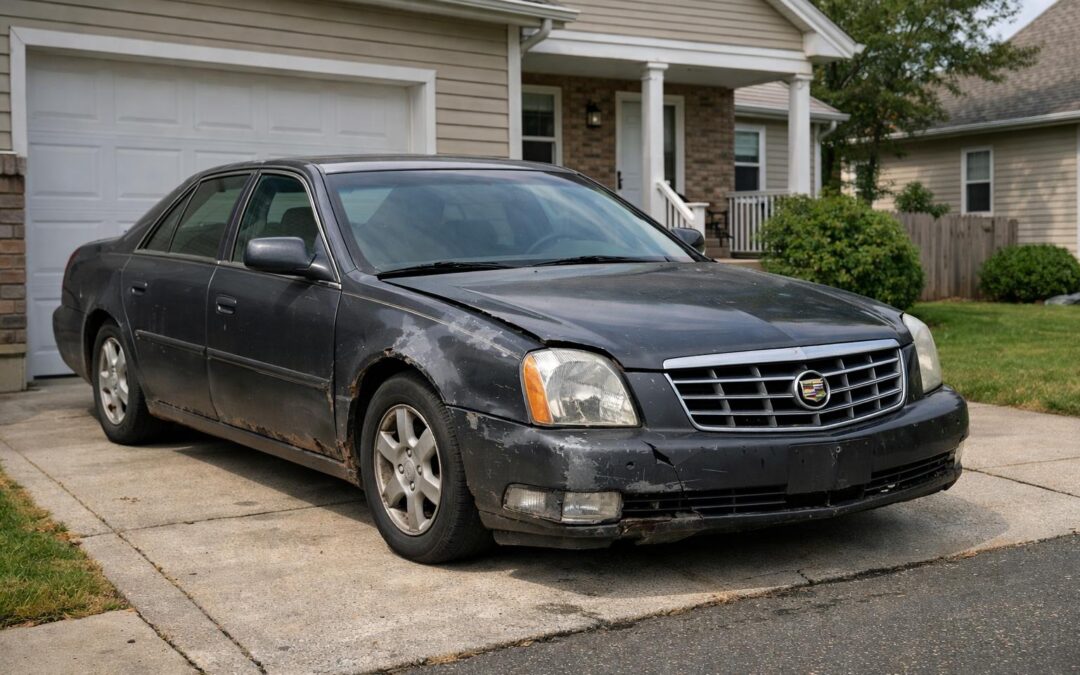
Sell Wrecked Car Nassau County: Get Top Dollar for Your Damaged Vehicle
Table of Contents
- What Does It Mean to Sell a Wrecked Car in Nassau County?
- Types of Wrecked Cars Buyers Accept
- How to Prepare Your Wrecked Car for Sale
- Required Documents and Legal Considerations in Nassau County
- How the Offer Process Works
- Comparing Your Selling Options
- Tips for Getting the Best Price for a Wrecked Car
- Common Mistakes Sellers Make in Nassau County
- Frequently Asked Questions About Selling a Wrecked Car in Nassau County
- Conclusion: Turn Your Wrecked Car into Fast Cash
What Does It Mean to Sell a Wrecked Car in Nassau County?
Selling a wrecked car in Nassau County means transferring ownership of a damaged, non-running, or totaled vehicle to a buyer who specializes in salvage, parts, or recycling. These buyers understand local regulations, tow logistics, and the unique traffic and parking realities of Nassau County.
Instead of paying storage fees, worrying about code violations, or letting a damaged vehicle sit in your driveway, you can convert that car into cash quickly. Specialized buyers evaluate the value of your wrecked car based on its condition, mileage, metal weight, and demand for parts.
In many cases, you can sell a wrecked car within 24–48 hours, including pickup and paperwork, even if the car has been declared a total loss by your insurance company.
Types of Wrecked Cars Buyers Accept
Many sellers assume their vehicle is “too damaged” to be worth anything. In reality, most reputable buyers in Nassau County purchase a wide range of vehicles, including:
- Totaled vehicles: Cars declared a total loss by insurance after a serious accident.
- Flood-damaged cars: Vehicles affected by storms, coastal flooding, or severe water damage.
- Non-running vehicles: Cars that will not start or move under their own power.
- Fire-damaged vehicles: Cars with partial or extensive fire damage.
- Severe body damage: Vehicles with bent frames, crushed panels, or structural damage.
- High-mileage clunkers: Old cars that cost more to repair than they are worth.
Even if your car has missing parts, broken glass, or no current inspection, there is usually some value left in the metal, drivetrain, or electronics. The key is to work with a buyer who understands salvage value in the Nassau County market.
How to Prepare Your Wrecked Car for Sale
While you do not need to restore or repair a wrecked vehicle before selling it, a few simple steps can help the process go smoothly and may improve your offer:
- Remove personal items: Check the glove box, center console, under seats, trunk, and door pockets. Buyers expect an empty vehicle.
- Locate your keys: Even if the car does not run, keys make towing, steering, and unlocking easier and may boost your offer.
- Gather basic info: Have your Vehicle Identification Number (VIN), mileage (if possible), and a short description of damage ready.
- Take clear notes on condition: Note any major issues such as engine failure, airbag deployment, frame damage, or missing parts.
- Secure loose parts: If bumpers, doors, or mirrors are loose, place them in the car to avoid loss during towing.
- Verify access and parking: Make sure the tow truck can reach the vehicle, especially in tight Nassau County driveways or apartment lots.
These small steps make your car easier to evaluate and remove, which can translate into a faster sale and a more accurate cash offer.
Required Documents and Legal Considerations in Nassau County
New York State has clear legal requirements for transferring ownership of a vehicle, including wrecked cars. In Nassau County, you will typically need the following:
- Vehicle title: The original New York State Certificate of Title is the main document needed to sell your wrecked car.
- Valid ID: A government-issued photo ID that matches the name on the title.
- Bill of sale (if required): Some buyers provide a simple bill of sale for your records.
- Lien release: If there was a loan on the car, you may need documentation showing the lien has been satisfied.
Title issues are common with wrecked vehicles. Here is how different situations are often handled:
- Lost title: You may need to request a duplicate title through the New York State DMV before selling.
- Salvage title: Many buyers still accept cars with salvage or rebuilt titles; disclose this upfront.
- Signed but incomplete title: Make sure all required sections are filled out clearly and accurately.
After the sale, you should also:
- Remove your license plates and return or transfer them according to DMV rules.
- Cancel or update your insurance policy to avoid paying for a car you no longer own.
How the Offer Process Works
The process to sell a wrecked car in Nassau County is usually straightforward and can often be completed in a single day. While details vary, the steps generally look like this:
- Initial contact: You provide basic information about your car, such as year, make, model, mileage, and damage.
- Condition review: The buyer may ask a few follow-up questions about the engine, transmission, title status, and location.
- Cash offer: Based on your description, the buyer gives you a no-obligation offer for your wrecked car.
- Schedule pickup: If you accept, you set a time and place for vehicle pickup and payment, often same-day or next-day.
- On-site inspection: The driver verifies the condition generally matches your description.
- Paperwork and payment: You sign over the title, and you receive payment, typically in cash or certified funds.
- Towing: The buyer tows your wrecked vehicle away, usually at no cost to you.
Sharing accurate details about your vehicle during the quote stage helps avoid last-minute price adjustments and makes the entire process faster.
Comparing Your Selling Options
When you want to sell a wrecked car in Nassau County, you have several options. Each has different advantages depending on your priorities, such as speed, convenience, and price.
| Option | Pros | Cons | Best For |
|---|---|---|---|
| Specialized Wrecked Car Buyer | Fast offers, free towing, experience with damaged cars | Price based on salvage value, not retail | Sellers who need quick, hassle-free cash |
| Local Junkyard or Salvage Yard | Very quick sale, familiar with Nassau County | May require you to bring the car in; offers can be low | Cars that are severely damaged or stripped |
| Private Buyer | Potentially higher price if car is repairable | Time-consuming, many no-shows, limited interest in wrecks | Cars with moderate damage and popular models |
| Trade-In at Dealership | Convenient if buying another car | Dealers rarely accept heavily wrecked vehicles | Vehicles that still run and pass basic inspection |
| Parting Out Yourself | Can maximize value over time | Requires tools, space, time, and knowledge of parts | Enthusiasts comfortable working on cars |
For most owners of severely damaged or non-running vehicles, a dedicated wrecked car buyer or salvage yard is the fastest and most realistic option in Nassau County.
Tips for Getting the Best Price for a Wrecked Car
Even though your car is damaged, there are still ways to improve your payout when selling in Nassau County:
- Get multiple quotes: Contact more than one buyer to see how their offers compare for the same vehicle.
- Know your car’s basics: Provide accurate year, make, model, mileage, and damage description to avoid price drops on pickup.
- Highlight valuable features: Mention any recent repairs, new tires, aftermarket rims, or valuable electronics that still work.
- Be honest about damage: Full disclosure of issues builds trust and helps get a firm, reliable offer.
- Check for fees: Confirm that towing is free and ask about any potential administrative or processing fees.
- Time your sale: Metal prices and scrap values can fluctuate; if prices are temporarily low, consider waiting if possible.
- Have documents ready: A clear title and ID streamline the process and may avoid offer reductions due to title problems.
Common Mistakes Sellers Make in Nassau County
Knowing what not to do when you sell a wrecked car in Nassau County can save you time and money.
- Leaving personal data behind: Many people forget garage openers, paperwork, or mail in the car. Always clear everything out.
- Accepting the first offer without comparison: Different buyers use different pricing formulas; a second quote can reveal a better deal.
- Not checking buyer reputation: While you cannot use online reviews in a physical document, you should still research any buyer’s track record where possible.
- Signing incomplete paperwork: Ensure every required field on the title is filled in to avoid future registration or liability issues.
- Leaving plates on the car: In New York, you are responsible for your license plates; remove and return or transfer them as required.
- Ignoring local rules: Nassau County towns can be strict about abandoned or inoperable vehicles parked on streets or lawns. Selling quickly helps you avoid fines.
Avoiding these mistakes allows your sale to move faster and reduces the chance of complications after the car is gone.
Frequently Asked Questions About Selling a Wrecked Car in Nassau County
1. Can I sell a wrecked car in Nassau County without a title?
In most cases, you need a valid New York State title to legally sell and transfer ownership of a vehicle, even if it is wrecked. Some buyers may assist with the process if your title is lost, but you will usually need to request a duplicate title from the DMV before the sale can be finalized.
2. Will buyers take my car if it does not run?
Yes. Many wrecked car buyers in Nassau County specialize in non-running vehicles. They provide towing and can load cars without power. The offer is based on salvage and parts value rather than the car’s ability to drive.
3. How is the value of my wrecked car determined?
Buyers look at several factors, including the year, make, model, mileage, overall damage, current scrap metal prices, and demand for specific parts. Late-model vehicles with usable engines, transmissions, or electronics often bring higher offers, even if the body is badly damaged.
4. How quickly can I get paid for my wrecked car?
Many Nassau County wrecked car buyers offer same-day or next-day pickup with on-the-spot payment, often in cash or certified funds. The exact timing depends on your location, traffic, and scheduling, but most transactions are completed within 24–48 hours after you accept an offer.
5. Do I have to pay for towing?
Most reputable buyers include towing at no additional cost when you sell a wrecked car in Nassau County. Always confirm towing policies upfront to avoid unexpected charges or deductions from your agreed-upon price.
6. Should I remove parts from the car before selling?
If you have already removed high-value parts for personal use or sale, be transparent about it when requesting a quote. Removing major components like the engine, transmission, or catalytic converter can reduce the offer. In many cases, leaving the car complete results in a higher, simpler cash payout.
7. What should I do with my license plates?
Before the car is towed, remove your New York license plates. You will typically return them to the DMV or transfer them to another vehicle according to state rules. Do not leave license plates on a car you no longer own.
8. Can I sell a wrecked car that is still at an impound or repair shop?
Yes, but you must be the legal owner and handle any storage or release fees. Many buyers can pick up vehicles directly from a shop or lot in Nassau County as long as you arrange the release and provide necessary documents.
9. Is it better to file an insurance claim or sell my wrecked car?
This depends on the extent of damage, your coverage, and deductibles. If your vehicle is already declared a total loss and you have settled with your insurer, selling the wrecked car is often the logical next step if you retain possession. If you have not contacted your insurer yet, compare the potential insurance payout with cash offers.
10. What happens to my wrecked car after I sell it?
After the sale, your wrecked car is usually taken to a salvage yard, dismantling facility, or recycler. Usable parts are removed and resold, hazardous materials are handled properly, and the remaining metal is recycled. This process recovers value, supports repair markets, and keeps abandoned vehicles off Nassau County streets and driveways.
Conclusion: Turn Your Wrecked Car into Fast Cash
Selling a wrecked car in Nassau County does not have to be stressful. By understanding how the process works, preparing simple documents, and choosing a reputable buyer, you can convert a damaged, non-running, or totaled vehicle into cash quickly and legally.
Know your vehicle’s basic details, gather your title and ID, remove personal items, and compare a few offers. Whether your car was in a major accident, suffered flood damage, or simply reached the end of its life, there is almost always a buyer ready to pay for its remaining value. Instead of letting that wrecked car take up space or risk code violations, turn it into a simple, fast payout right here in Nassau County.
