
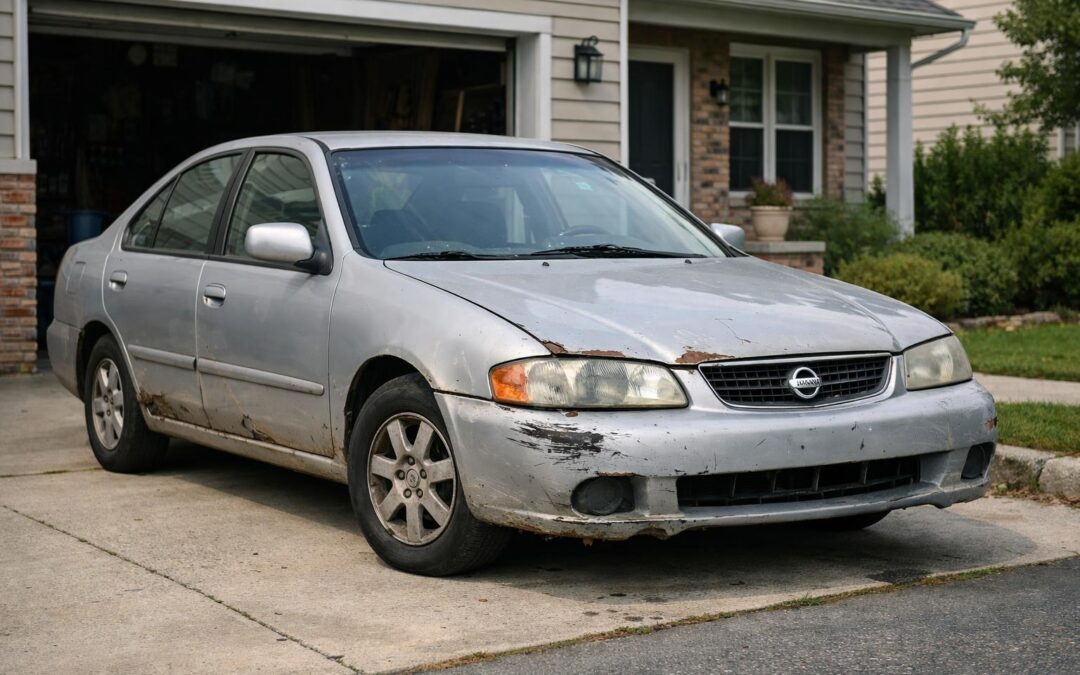
Sell Car With Mechanical Problems Long Island: The Complete Guide
Table of Contents
- What It Means to Sell a Car With Mechanical Problems on Long Island
- Common Mechanical Issues That Impact Car Value
- Should You Repair Before Selling or Sell As-Is?
- Where to Sell a Car With Mechanical Problems on Long Island
- How to Determine a Fair Price for a Damaged or Non-Running Car
- Preparing Your Problem Car for Sale
- Documents You Need to Sell a Car With Problems in New York
- Negotiation Tips for Selling a Car With Mechanical Problems
- Frequently Asked Questions About Selling a Problem Car on Long Island
- Conclusion: The Smartest Way to Sell a Car With Mechanical Problems on Long Island
What It Means to Sell a Car With Mechanical Problems on Long Island
When you sell a car with mechanical problems on Long Island, you are selling a vehicle that has issues affecting safety, performance, reliability, or the ability to pass inspection. These issues can range from a failing transmission to worn brakes or a blown engine. Long Island buyers, including private buyers and local dealers, factor these problems heavily into what they are willing to pay.
The Long Island market is unique because it combines suburban driving, heavy traffic, and coastal conditions that can accelerate rust and wear. As a result, many vehicles develop problems earlier than expected, and owners look for convenient ways to sell them without investing more money in repairs.
The key to a successful sale is understanding your legal obligations, being honest about known defects, and choosing the right type of buyer for your specific situation.
Common Mechanical Issues That Impact Car Value
Not all problems affect value the same way. Some are inexpensive to fix and may be worth repairing, while others drastically reduce value and make selling as-is a better choice.
- Engine problems: Blown head gasket, knocking engine, oil leaks, failure to start, overheating.
- Transmission issues: Slipping gears, harsh shifting, delayed engagement, transmission warning lights.
- Brake problems: Grinding, soft pedal, ABS warnings, pulsation when braking.
- Suspension and steering: Clunking over bumps, wandering steering, worn shocks or struts, leaking power steering fluid.
- Electrical faults: Dead battery draw, faulty alternator, non-working power windows, dashboard warning lights, sensor failures.
- Cooling system issues: Radiator leaks, failed water pump, constant overheating.
- Exhaust and emissions: Loud exhaust, failed catalytic converter, check engine light, inability to pass New York State inspection.
- Rust and structural issues: Frame rust, brake line rust, corroded fuel lines, especially common in coastal Long Island areas.
The more severe or safety-related the problem, the more it will decrease the value of your vehicle. However, even with serious issues, there are still buyers on Long Island who specialize in damaged or non-running cars.
Should You Repair Before Selling or Sell As-Is?
Deciding whether to repair or sell as-is is one of the most important choices you will make. It depends on the cost of repairs, the vehicle’s age and mileage, and the current market value in Long Island.
When It Makes Sense to Repair First
- The repair cost is relatively low compared to the increase in sale price.
- The car is relatively new, desirable, or low-mileage for Long Island drivers.
- The issue is minor, such as basic maintenance, brake pads, or a simple sensor.
- You plan to sell to a private buyer who will pay more for a car that is ready to drive.
When to Sell As-Is
- The car has major problems such as a blown engine or transmission failure.
- Repair estimates are close to or higher than the car’s market value.
- The vehicle has high mileage and multiple issues on top of the main mechanical problem.
- You need fast cash and cannot wait for lengthy diagnostic and repair work.
Comparing Options: Repair First vs Sell As-Is
| Option | Pros | Cons | Best For |
|---|---|---|---|
| Repair Before Selling | Higher potential sale price, more buyer interest, easier to market | Upfront costs, time without a car, risk of finding more hidden issues | Newer cars with moderate, clearly defined repairs |
| Sell As-Is Privately | No repair cost, faster sale than repairs, limited hassle | Lower price, smaller buyer pool, more questions and negotiations | Sellers comfortable being transparent and patient with buyers |
| Sell As-Is to Dealer or Specialized Buyer | Very fast process, minimal paperwork hassle, immediate payment | Lower offer than private sale, limited room for negotiation | Owners needing quick cash or towing for non-running vehicles |
Where to Sell a Car With Mechanical Problems on Long Island
Long Island offers several types of buyers for vehicles with mechanical issues, each with different advantages.
Private Buyers
Some private buyers look for fixer-uppers, parts cars, or budget transportation.
- Potential to get a higher price than trade-in offers.
- Requires more effort: listing, communicating, and showing the vehicle.
- Buyer may want to bring a mechanic for inspection.
Dealerships and Trade-In
Many Long Island dealerships will accept problem cars as trade-ins toward another purchase.
- Convenient if you are buying another car.
- The trade-in value might be low, especially with major mechanical faults.
- Dealers often deduct expected repair costs from the offer.
Specialized Buyers for Damaged or Non-Running Cars
There are local businesses that focus on cars with mechanical problems, junk cars, or vehicles that will be sold for parts.
- They typically buy cars in any condition, including non-running.
- Many offer towing within Nassau and Suffolk Counties.
- Process is usually quick, with payment issued on the spot.
Auto Recyclers and Salvage Yards
Salvage yards and recyclers on Long Island will often purchase vehicles based on their parts and scrap value.
- Ideal for very old or severely damaged cars.
- Value is based more on weight and parts than on drivable condition.
- You may need to arrange towing if the yard does not provide it.
How to Determine a Fair Price for a Damaged or Non-Running Car
Pricing a car with mechanical problems on Long Island requires a realistic view of its condition and current market demand.
Step 1: Estimate the Car’s Value if It Were in Good Condition
- Use typical valuation guidelines for your make, model, year, mileage, and options.
- Consider Long Island factors like preference for all-wheel drive or fuel efficiency due to commuting.
Step 2: Get Repair Estimates from Local Shops
- Visit or call reputable Long Island repair shops and ask for ballpark estimates.
- If the car is not drivable, some shops may help approximate costs based on symptoms.
- Consider both parts and labor, plus any taxes and shop fees.
Step 3: Adjust the Price for Mechanical Problems
- Subtract estimated repair costs from the car’s potential full value.
- Give buyers a discount for taking on risk and inconvenience.
- For severe issues, value may fall to parts or scrap value.
Step 4: Compare Offers from Different Buyer Types
- Get quotes from at least two or three places.
- Weigh convenience versus higher potential payout.
- Factor towing costs if the car is not drivable.
Preparing Your Problem Car for Sale
Even if your car has serious mechanical problems, basic preparation can help it sell faster and for more money on Long Island.
Clean the Vehicle
- Remove personal items from the interior and trunk.
- Do a basic wash to make the car appear cared for.
- Vacuum seats and carpets to leave a better impression.
Gather Maintenance and Repair Records
- Collect receipts for oil changes, major repairs, and parts replacements.
- Show proof of any recent work, even if the car currently has new problems.
Be Honest About Known Issues
- Prepare a simple list of the problems you know about.
- Mention symptoms such as noises, warning lights, or leaks.
- Honesty builds trust and reduces the chance of disputes later.
Decide on Selling As-Is
- State clearly that the car is sold as-is, with no warranties.
- In New York, private sales are typically as-is, but clarity still matters.
- Include wording on the bill of sale noting the as-is condition.
Documents You Need to Sell a Car With Problems in New York
To sell a car with mechanical problems on Long Island, you must follow New York State rules for vehicle transfers.
Vehicle Title
- You must have a valid New York title in your name, free of certain liens.
- Sign and date the title where required when transferring ownership.
- If you have a lien, confirm it is satisfied or get proper documentation.
Bill of Sale
- Include buyer and seller names, addresses, and signatures.
- Specify the sale price, date, and basic details about the vehicle.
- Clearly note that the vehicle is sold as-is with mechanical problems.
Odometer Disclosure
- Required for many vehicles to document current mileage.
- Be accurate; do not guess if the odometer is broken. State that it is not accurate if needed.
License Plates and Insurance
- After completing the sale, remove your plates from the vehicle.
- Return plates to the DMV if you are not transferring them to another car.
- Cancel or adjust your insurance policy after the sale is final.
Negotiation Tips for Selling a Car With Mechanical Problems
Negotiating is often the most uncomfortable part of selling a car with issues, but preparation can make it smoother.
Know Your Bottom Line
- Decide your minimum acceptable price before meeting buyers.
- Leave a little room for negotiation above that figure.
Use Documentation to Support Your Price
- Show comparable values for similar cars in good condition.
- Share repair estimates so the buyer sees what you considered.
Be Clear and Calm About the Problems
- Explain what you know without exaggerating or downplaying issues.
- Answer questions directly and avoid being defensive.
Consider Non-Price Terms
- If the car is not drivable, you might accept a slightly lower price when the buyer handles towing.
- Faster payment or simpler paperwork may justify accepting a lower but fair offer.
Frequently Asked Questions About Selling a Problem Car on Long Island
Can I legally sell a car with mechanical problems on Long Island?
Yes, you can legally sell a car with mechanical problems as long as you are honest about known issues and properly transfer the title according to New York law. Most private sales are as-is, but you should clearly state this in writing.
Do I have to fix the car to pass inspection before selling it?
No, you are not required to make the car pass inspection before selling it. However, you must not mislead buyers into thinking it will pass inspection if you know it will not. Some buyers will purchase cars that cannot currently pass inspection for repair or parts.
How much is my non-running car worth on Long Island?
The value of a non-running car depends on its age, model, overall condition, and the severity of its problems. In many cases, a non-running car is valued based on parts and scrap rather than typical retail value. Getting multiple offers from local buyers is the best way to gauge value.
Should I tell buyers about every problem I know about?
Yes. You should disclose all known mechanical issues. Hiding problems can lead to serious disputes, damage your reputation, and may create legal risk. Transparency helps you find the right buyer more quickly and supports a smoother transaction.
What if the buyer discovers more problems after the sale?
If you sold the vehicle as-is, disclosed what you knew, and did not misrepresent the car, you are generally not responsible for future repairs. It is wise to have a signed bill of sale clearly stating the as-is condition and that the buyer had an opportunity to inspect the vehicle.
Can I sell a car with a salvaged or rebuilt title on Long Island?
Yes, but you must disclose the title status to the buyer. A salvage or rebuilt title often lowers the value significantly. Be upfront about any accidents, floods, or major repairs that led to the title branding.
Will a dealer give me a good price for my car with mechanical problems?
Dealers on Long Island may offer less than private buyers, but they provide convenience and speed. Their offers reflect expected repair costs and profit margins. Getting quotes from multiple dealers and specialized buyers helps you decide whether the convenience is worth the lower price.
How fast can I sell a problem car on Long Island?
The timeline depends on where you sell. Private sales may take days or weeks. Specialized buyers, dealers, or salvage yards can sometimes complete the sale in the same day, especially if towing and paperwork are handled efficiently.
Do I need to be present when the car is towed away?
In most cases, yes, you should be present to hand over the signed title, remove your plates, verify payment, and complete any final documents. Some services offer remote options, but make sure you understand the process and confirm that payment is secure.
What if I still owe money on the car?
If you still have a loan, you will need to coordinate with your lender. The sale proceeds may be applied directly to pay off the loan balance. Some buyers are experienced in handling payoff situations; clarify this before agreeing to the sale.
Conclusion: The Smartest Way to Sell a Car With Mechanical Problems on Long Island
Selling a car with mechanical problems on Long Island does not have to be overwhelming. By understanding the true condition of your vehicle, exploring all buyer options, and being transparent about known issues, you can find a solution that balances price, speed, and convenience.
In many cases, owners choose to sell as-is to a specialized buyer or dealer to avoid large repair bills and ongoing stress. Others invest in minor repairs to attract higher private offers. The right choice depends on your priorities, timeline, and budget.
Whichever path you choose, gather your paperwork, present your car honestly, and compare multiple offers. With a clear plan, you can successfully sell your car with mechanical problems on Long Island and move on to your next vehicle with confidence.
