
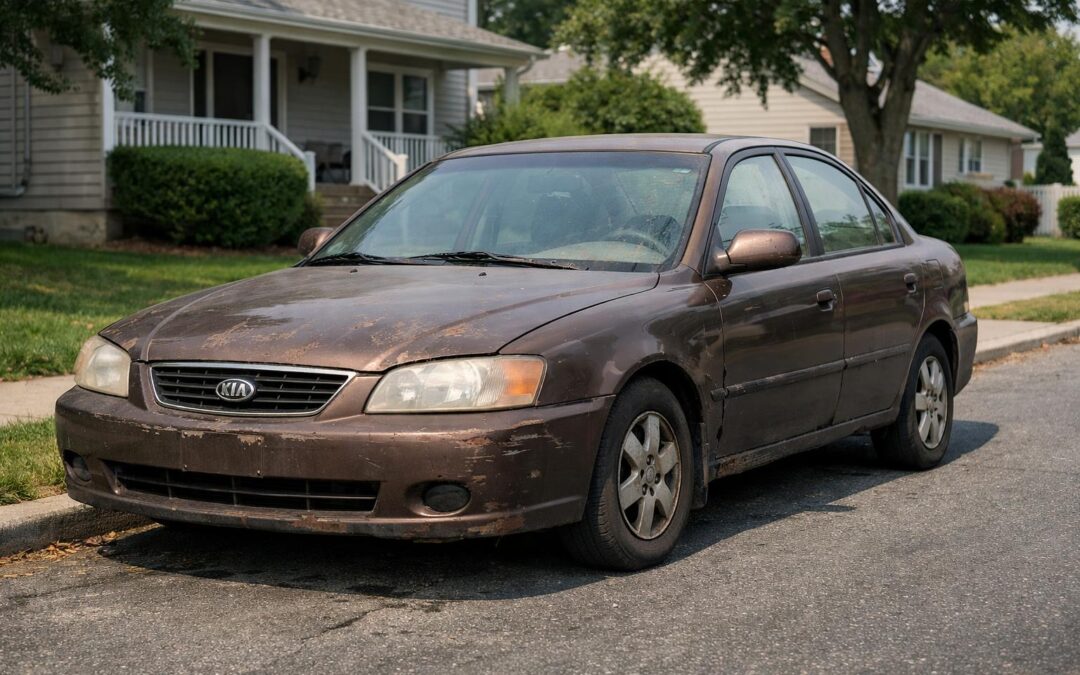
Junk Car Buyer For Non Running Cars Long Island
Table of Contents
- Why Sell Your Non Running Car on Long Island
- How Junk Car Buyers for Non Running Cars Work
- Benefits of Choosing a Local Long Island Junk Car Buyer
- Steps to Take Before Calling a Junk Car Buyer
- Factors That Affect How Much You Get for a Non Running Car
- What to Expect on Pickup Day
- Comparing Your Options: Scrap Yard vs. Junk Car Buyer vs. Private Sale
- Environmental Benefits of Selling a Junk Car
- FAQ: Junk Car Buyer For Non Running Cars Long Island
- Conclusion
Why Sell Your Non Running Car on Long Island
Selling a non running car on Long Island can free up driveway space, put cash in your pocket, and eliminate the hassle of dealing with costly repairs. Many owners hold onto dead vehicles, hoping to fix them one day, only to watch them rust and lose more value over time.
Long Island drivers face high insurance costs, tight parking, and strict local regulations regarding unregistered or inoperable vehicles. Keeping a broken-down car on your property can lead to fines, neighborhood complaints, or towing notices depending on local rules. Using a dedicated junk car buyer for non running cars is a simple way to solve the problem quickly.
Whether the engine is blown, the transmission is shot, or the car has been sitting for years, a specialized buyer can still see value in the metal, parts, and materials. That means you can turn what feels like a liability into an asset with minimal effort.
How Junk Car Buyers for Non Running Cars Work
A junk car buyer for non running cars on Long Island focuses on purchasing vehicles in poor or non-operational condition. They earn profit by recycling scrap metal, reselling usable parts, or refurbishing vehicles that can be restored at a reasonable cost.
The typical process looks like this:
- Initial Contact: You call or submit your vehicle details online, including make, model, year, and condition.
- Instant Quote: The buyer gives a rough estimate based on vehicle data and current scrap or parts prices.
- Verification: You confirm whether the car has a title, keys, and major missing parts.
- Pickup Scheduling: The buyer schedules a convenient time to inspect and tow the car, often the same day or next day.
- On-Site Inspection: A driver or agent checks the vehicle condition to confirm the offer.
- Payment and Paperwork: Once both parties agree on a final price, you sign over ownership, and the buyer pays in cash or certified funds.
- Free Towing: The car is loaded onto a tow truck and removed from your property at no extra cost.
Reputable junk car buyers make the process straightforward and transparent, with no hidden fees for towing, paperwork, or same-day service.
Benefits of Choosing a Local Long Island Junk Car Buyer
Working with a local junk car buyer for non running cars on Long Island offers distinct advantages over national chains or selling privately.
- Faster Pickup Times: Local buyers typically offer same-day or next-day service across Nassau and Suffolk counties.
- Knowledge of Local Rules: They understand New York State title requirements, local towing regulations, and disposal laws.
- Better Communication: Being in the same region often means more responsive scheduling and clearer expectations.
- No Long-Distance Tow Charges: Shorter travel distances keep costs down, which can translate into stronger offers for your vehicle.
- Community-Focused: Local businesses tend to value reputation, repeat referrals, and word of mouth within the Long Island community.
For many Long Island residents, the convenience of a nearby junk car buyer, combined with quick payments and free towing, makes this the most practical solution for a non running vehicle.
Steps to Take Before Calling a Junk Car Buyer
Preparing before you contact a junk car buyer in Long Island can help you secure a better offer and speed up the process.
-
Gather Vehicle Information
- Year, make, and model
- Vehicle Identification Number (VIN)
- Approximate mileage (if known)
- Known major issues (engine failure, transmission problems, flood damage)
-
Locate the Title and Keys
Having a clear title typically increases your payout and simplifies the transaction. If you do not have a title, some buyers may still purchase the vehicle, but the offer might be lower and requirements more strict.
-
Remove Personal Belongings
Search the trunk, glove compartment, under seats, and any storage areas. Many vehicles sit for years and accumulate personal documents or valuables.
-
Cancel Insurance and Plates After the Sale
Once the sale is final and the vehicle is removed, return license plates to the New York DMV and cancel insurance to avoid unnecessary charges or liability.
-
Take Photos if Needed
Photos can help a buyer give a more accurate phone or online quote before sending a truck.
Factors That Affect How Much You Get for a Non Running Car
The amount you receive from a junk car buyer for non running cars on Long Island depends on several key factors. Understanding these can help you set realistic expectations and negotiate more effectively.
- Vehicle Weight and Size: Heavier vehicles typically bring higher scrap metal value than small compact cars.
- Make and Model: Certain brands and models have high-demand parts, which can increase the price.
- Condition and Completeness: A mostly complete car, even if not running, is usually worth more than one missing major parts like the engine, transmission, catalytic converter, or wheels.
- Current Scrap Metal Prices: Market prices for steel, aluminum, and other metals fluctuate and influence offers.
- Title Status: A clear title generally improves your payout. No title or salvage-only title may reduce the offer.
- Location and Accessibility: Easy driveway access usually costs less to tow than vehicles stuck in backyards, garages, or off-road areas.
Because these factors change over time, it is useful to get multiple quotes from different Long Island junk car buyers before making a final decision.
What to Expect on Pickup Day
Pickup day is usually quick and straightforward. Knowing what to expect can help everything go smoothly.
- Confirmation Call: The driver often calls ahead to confirm your address, parking details, and arrival time.
- Vehicle Inspection: The buyer confirms the car matches the description provided. Significant undisclosed damage may adjust the offer.
- Paperwork Completion: You present the title and identification, sign any transfer documents, and complete a bill of sale if required.
- Payment: You receive payment in the agreed form, typically cash or a certified check, before the vehicle is loaded onto the truck.
- Towing and Removal: The tow operator safely loads the non running car and ensures the area is left clean and damage-free.
Keep a copy of any documents for your records, and follow up with insurance and DMV plate returns promptly.
Comparing Your Options: Scrap Yard vs. Junk Car Buyer vs. Private Sale
When dealing with a non running car on Long Island, you have several options. Each has different pros and cons depending on your timeframe, vehicle condition, and willingness to do extra work.
| Option | Pros | Cons | Best For |
|---|---|---|---|
| Local Junk Car Buyer |
|
|
Owners wanting quick, hassle-free removal and immediate payment |
| Scrap Yard / Metal Recycler |
|
|
Owners with towing arranged and a vehicle that is mostly scrap |
| Private Sale (As-Is) |
|
|
Owners with time and energy to market a repairable vehicle |
Environmental Benefits of Selling a Junk Car
Using a junk car buyer for non running cars on Long Island is not only convenient, it is also environmentally responsible. Abandoned or neglected vehicles can leak hazards such as oil, coolant, brake fluid, and transmission fluid into the ground, potentially contaminating soil and water.
Professional buyers and recyclers follow regulations for draining and handling hazardous materials. They also ensure that metals, plastics, and glass are processed correctly, reducing the need for new raw materials. Many usable parts, such as alternators, starters, and body panels, can be refurbished and resold, extending their life instead of sending them to landfills.
Responsibly recycling a non running car conserves natural resources, keeps neighborhoods cleaner, and supports sustainable automotive practices on Long Island and beyond.
FAQ: Junk Car Buyer For Non Running Cars Long Island
Do junk car buyers on Long Island accept cars that will not start at all?
Yes. A junk car buyer for non running cars specializes in vehicles that will not start, will not drive, or are unsafe to operate. They bring tow trucks or flatbeds to remove the car from your property without requiring it to move under its own power.
Can I sell my non running car without a title in New York?
In New York, having a title is strongly preferred and usually required. Some junk car buyers may purchase vehicles without a title under specific conditions, but you should expect extra verification steps and possibly a lower offer. Always ask the buyer about their exact requirements before scheduling pickup.
How much money can I expect for a non running car on Long Island?
The amount depends on the car’s weight, make, model, condition, and current scrap market prices. Older compact cars may bring a modest payout, while heavier trucks or SUVs, or vehicles with in-demand parts, can generate higher offers. Getting a few quotes from different buyers is the best way to gauge current market value.
Do I have to pay for towing if the car does not run?
Most reputable junk car buyers for non running cars in Long Island offer free towing as part of the deal. Be sure to confirm this upfront. If a buyer intends to deduct towing costs from your payout, factor that into your decision and compare with other offers.
How quickly can my non running car be picked up?
Many Long Island junk car buyers can arrange same-day or next-day pickup depending on your location, the time of day you call, and their current schedule. Rural or hard-to-reach areas may take slightly longer, but service is usually fast compared with other selling options.
What documents do I need to sell my junk car in New York?
Typically, you will need the vehicle title, a valid photo ID, and the keys if you still have them. Some buyers may also provide or request a bill of sale. If your name or address changed since the title was issued, additional documentation may be necessary.
Should I remove parts before selling my non running car?
You can remove personal aftermarket items, such as stereos or custom wheels, if you wish. However, stripping major components like the catalytic converter, battery, or valuable engine parts can reduce the offer. If you plan to remove anything significant, disclose that when requesting your quote.
Is it better to donate or sell my non running car?
Donating can be a good choice if you prioritize supporting a cause and want a potential tax deduction. Selling to a junk car buyer provides immediate cash with minimal paperwork. The better option depends on your financial goals, timeline, and whether you itemize deductions on your taxes.
What happens to my junk car after it is sold?
After pickup, the buyer typically sends the car to a facility where fluids are drained, hazardous materials are removed, and usable parts are harvested. Remaining metal is crushed or shredded and sent to a recycler. This process maximizes reuse and minimizes environmental impact.
Can I sell multiple non running cars at once?
Yes. Many Long Island junk car buyers are equipped to handle multiple vehicles, including fleet cars, old work trucks, or family vehicles that have accumulated over the years. In some cases, selling multiple vehicles together can increase your negotiating power.
Conclusion
Finding a reliable junk car buyer for non running cars on Long Island allows you to turn a problem vehicle into fast cash while freeing up valuable space. By understanding how the process works, preparing your documents, and comparing offers, you can complete a smooth, legal, and environmentally responsible transaction.
Whether your car has been sitting for months or years, a specialized Long Island buyer can remove it quickly, handle the paperwork, and make sure it is recycled or dismantled properly. For many owners, this is the simplest and most practical solution for a non running vehicle.
