
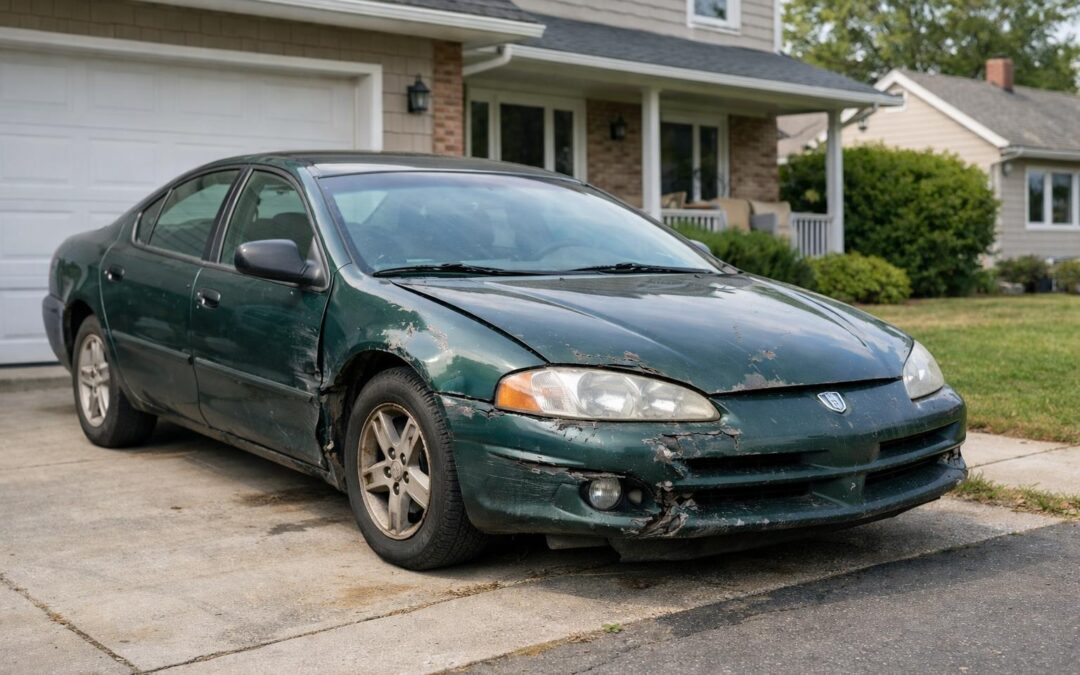
Sell Wrecked Car Long Island: Get the Best Cash Offer Fast
Table of Contents
- What Does It Mean to Sell a Wrecked Car on Long Island?
- Is Your Vehicle Really “Wrecked”? Types of Damage Buyers Accept
- How Much Is a Wrecked Car Worth on Long Island?
- Step-by-Step Process to Sell a Wrecked Car on Long Island
- Documents You Need Before You Sell
- Should You Part Out, Scrap, or Sell to a Wrecked Car Buyer?
- How to Spot a Reputable Wrecked Car Buyer on Long Island
- Tips to Maximize Your Cash Offer for a Wrecked Car
- Frequently Asked Questions About Selling a Wrecked Car on Long Island
- Conclusion: Turning Your Wrecked Car into Cash
What Does It Mean to Sell a Wrecked Car on Long Island?
When people search for “sell wrecked car Long Island,” they usually have a vehicle that is damaged, undrivable, or simply too expensive to repair. Instead of letting it sit in a driveway, on a street, or in a storage lot, owners want a quick way to turn it into cash.
On Long Island, there are specialized buyers who focus on damaged, totaled, and non-running cars. These include junk car buyers, salvage yards, rebuilders, and used car dealers willing to buy vehicles in poor condition. Many of these buyers offer free towing and instant cash payments.
Understanding how the process works can help you get a better price, avoid scams, and complete the sale legally and safely.
Is Your Vehicle Really “Wrecked”? Types of Damage Buyers Accept
“Wrecked” does not just mean a mangled car from a major collision. Long Island buyers use the term broadly to describe vehicles in various conditions, including:
- Collision damage from front-end, rear-end, or side-impact accidents
- Cars declared total losses by insurance companies
- Vehicles with deployed airbags or bent frames
- Flood or storm damage, including saltwater exposure
- Engine or transmission failure that makes the car undrivable
- Severe rust, body rot, or structural corrosion
- Non-running vehicles that have sat for months or years
Even if your car will not start, has major body damage, or is missing parts, there is usually a buyer willing to pay for its scrap metal, usable parts, or rebuild potential.
How Much Is a Wrecked Car Worth on Long Island?
The value of a wrecked car on Long Island depends on several key factors. Buyers look beyond visible damage and consider what can be recovered from the vehicle. Common valuation factors include:
- Year, make, and model
- Severity and location of damage
- Current scrap metal prices in the region
- Demand for used parts from that particular model
- Whether the car still runs or starts
- Mileage and overall condition of undamaged components
- Title status (clean, salvage, rebuilt, or no title)
To better understand how these factors affect offers, consider this simplified comparison:
| Vehicle Condition | Typical Example | Relative Offer Range |
|---|---|---|
| Lightly damaged, runs and drives | Minor front-end damage, clean title, low mileage | Higher end of local wrecked car offers |
| Moderately damaged, starts but not roadworthy | Deployed airbags, bent fender, mechanical issues | Mid-range offer based on parts and scrap value |
| Severely wrecked, non-running | Totaled vehicle, heavy frame or flood damage | Lower range, primarily scrap weight value |
Because prices can change with metal markets and local demand, it is wise to get multiple quotes from Long Island wrecked car buyers before accepting an offer.
Step-by-Step Process to Sell a Wrecked Car on Long Island
Selling a wrecked vehicle in Nassau or Suffolk County can be straightforward when you follow a clear process. Here is a typical step-by-step approach:
-
Gather basic vehicle information.
Write down the year, make, model, VIN, approximate mileage, and a brief description of the damage and condition. Note whether it starts, drives, or is completely non-running.
-
Collect your documents.
Locate your New York title, registration, and your ID. If you have any repair estimates, insurance paperwork, or service records, keep them nearby.
-
Request quotes from multiple buyers.
Contact several Long Island wrecked car buyers and junk car services. Provide accurate details so you get realistic offers and avoid price changes on pickup.
-
Compare offers and services.
Look at the total cash amount, whether towing is free, how quickly they can pick up, and how they plan to pay (cash, check, or other).
-
Schedule pickup and confirm details.
Set a date and time for the tow truck. Confirm the final agreed price, payment method, and required documents ahead of time.
-
Prepare the car for pickup.
Remove personal belongings, license plates, toll tags, and any items you want to keep. Clear access to the vehicle so the tow truck can reach it easily.
-
Complete the paperwork and get paid.
Sign the title as required, hand over the keys if you have them, and receive payment on the spot. Keep a copy of any receipt or bill of sale.
-
Notify the DMV and your insurance company.
In New York, you may need to surrender plates and cancel your registration and insurance. This helps you avoid future fees or liability.
Documents You Need Before You Sell
Having the right paperwork ready helps you sell a wrecked car on Long Island quickly and without legal headaches. In most cases, you will want the following:
- Vehicle title: The New York Certificate of Title proves ownership. Many buyers require it, especially for newer vehicles.
- Registration: Useful to confirm ownership and vehicle details, though not always required if you have the title.
- Photo ID: A valid driver’s license or other government-issued ID.
- Insurance paperwork: Optional, but helpful when dealing with recent total losses.
- Loan payoff info: If there is still a lien, you may need to settle it or obtain a lien release.
If you do not have the title, do not assume you cannot sell your wrecked car. Some Long Island buyers can work with registration and ID, especially for older vehicles, but expect a lower offer and possibly more steps to process the sale.
Should You Part Out, Scrap, or Sell to a Wrecked Car Buyer?
Owners of wrecked vehicles often consider three main options: parting out the car, scrapping it for metal, or selling it directly to a specialized buyer. Each path has trade-offs.
Parting Out the Car Yourself
Parting out can bring in more total money if you have the tools, time, and knowledge. You remove and sell parts individually, such as engines, transmissions, wheels, and interior components. However, this approach has downsides:
- Requires mechanical skills and tools
- Takes time to list, sell, and ship parts
- Leaves you with a bare shell you still must dispose of
- May not be practical for city or suburban properties
Scrapping the Car for Metal
Scrap yards pay mostly based on vehicle weight and current scrap metal prices. This is usually the lowest-paying option but can be quick, especially for extremely damaged or incomplete cars. It may be a good fit if:
- The car is very old, heavily rusted, or burned
- Major components are already missing
- You cannot find buyers interested in parts or rebuilding
Selling to a Wrecked Car Buyer
Specialized buyers on Long Island typically offer a balance of convenience and fair value. They consider both scrap value and parts value, and often provide free towing and same-day pickup. This option is ideal when:
- You want a fast, hassle-free sale
- You prefer not to deal with individual buyers or parts sales
- The vehicle is mostly complete and has usable components
In many cases, selling your wrecked car directly to a buyer that handles damaged vehicles every day will net you more overall value per hour of effort compared with parting it out yourself.
How to Spot a Reputable Wrecked Car Buyer on Long Island
Because you are dealing with a damaged asset and often need fast cash, choosing a trustworthy buyer is crucial. Use the following guidelines to find a reliable company or individual:
- Clear, upfront offers: A legitimate buyer will give you a straightforward quote based on your description and will not drastically change the price at pickup without a valid reason.
- Free towing explained in advance: Ask whether towing is truly free or if any hidden fees apply for difficult access or missing wheels.
- Licensed and insured: Responsible buyers operate legally in New York and carry proper insurance for towing and handling vehicles.
- Simple, transparent paperwork: They should explain exactly how to sign the title, what documents they need, and how ownership is transferred.
- Immediate payment: Reputable buyers pay on pickup, often in cash or certified funds, not in delayed promises.
- Local presence: Buyers familiar with Long Island know local regulations, towing logistics, and DMV requirements.
Trust your instincts. If a buyer pressures you, refuses to answer basic questions, or dramatically cuts the offer at pickup, you can walk away and call another company.
Tips to Maximize Your Cash Offer for a Wrecked Car
Even when your car is wrecked, a few strategic steps can help you secure a better payout in the Long Island market.
- Be honest and detailed in your description. Accurately describe the damage, missing parts, and whether the car starts. Surprises on pickup often lead to reduced offers.
- Remove valuable aftermarket add-ons. If you have custom wheels, upgraded stereo systems, or accessories you want to keep, remove them before getting quotes.
- Have your paperwork ready. A clean, easily transferable title often means a smoother sale and sometimes better offers.
- Get at least three quotes. Different buyers have different uses for your car. Some may value parts from your particular model more than others.
- Know your minimum acceptable price. Decide in advance the lowest price you will accept so you can negotiate confidently.
- Schedule during normal business hours. Pickup during regular hours can sometimes make the process faster and reduce rescheduling issues.
- Ensure easy access to the vehicle. If the tow truck can reach the car more easily, buyers are less likely to factor in extra work or potential fees.
Frequently Asked Questions About Selling a Wrecked Car on Long Island
1. Can I sell a wrecked car on Long Island without a title?
In many cases, you can still sell a wrecked car without a title, especially if the vehicle is older and you have a valid New York registration and photo ID. However, not all buyers will accept cars without titles, and those who do may offer less. It is usually best to replace a lost title through the DMV when possible.
2. Will buyers take my car if it does not run at all?
Yes. Many Long Island wrecked car buyers specialize in non-running vehicles. They often provide a tow truck at no extra cost and base their offers on scrap weight and parts value rather than whether the car starts or drives.
3. How fast can I sell my wrecked car on Long Island?
Depending on your location, availability, and the buyer’s schedule, pickup can often be arranged the same day or within 24 hours. Having your documents ready and providing accurate information about the car can speed up the process significantly.
4. Do I need to remove my license plates before the car is towed?
Yes. In New York, you should remove your license plates before the vehicle leaves your possession. You may need to return them to the DMV or follow local procedures to cancel registration and avoid future fees or penalties.
5. Are there fees for towing a wrecked car?
Many Long Island buyers advertise free towing for wrecked cars, but it is important to confirm this before agreeing to a sale. Ask directly whether any extra charges apply for vehicles stuck in tight spaces, missing wheels, or being located off-road.
6. How do I know if an offer for my wrecked car is fair?
A fair offer should reflect the vehicle’s weight, parts demand, and damage level. To judge fairness, contact multiple buyers, provide the same information to each, and compare numbers. If one offer is much higher or lower than the rest, ask questions to understand why.
7. Can I sell a wrecked car that still has a loan on it?
It is possible but more complicated. You generally must pay off the remaining loan or work with the lender to obtain a lien release before transferring ownership. Some buyers may help guide you through the steps, but they cannot legally take full ownership until the lien is satisfied.
8. What happens to my wrecked car after I sell it?
Depending on the condition, buyers may part out the car, repair and resell it, or send it to a scrap facility for recycling. Usable parts are often sold to repair shops or individual customers, while metal and other materials are recycled following environmental regulations.
9. Is it better to claim insurance or sell the wrecked car myself?
If your vehicle has full coverage and the damage is recent, filing a claim may make sense. Your insurer might pay for repairs or declare the car a total loss and cut you a check. In some situations, you can then sell the wrecked vehicle as a salvage car. If you do not have comprehensive or collision coverage, or if the damage is older, selling the wrecked car directly might be simpler.
10. Do I have to be present when my wrecked car is picked up?
Most buyers prefer the legal owner or a designated representative to be present to sign paperwork and receive payment. In some cases, arrangements can be made for contactless pickup, but you must still ensure that documents are properly signed and delivered according to New York law.
Conclusion: Turning Your Wrecked Car into Cash
Selling a wrecked car on Long Island does not have to be stressful or confusing. By understanding how buyers evaluate damaged vehicles, preparing your documents, and gathering multiple quotes, you can quickly convert a non-running or totaled car into cash.
Whether your vehicle suffered a major collision, mechanical failure, or years of wear and tear, there is usually a buyer ready to take it off your hands. Focus on honest descriptions, safe transactions, and reputable local companies. With a clear plan, you can free up space on your property, follow New York’s legal requirements, and walk away with money in your pocket for your next vehicle or other priorities.
