
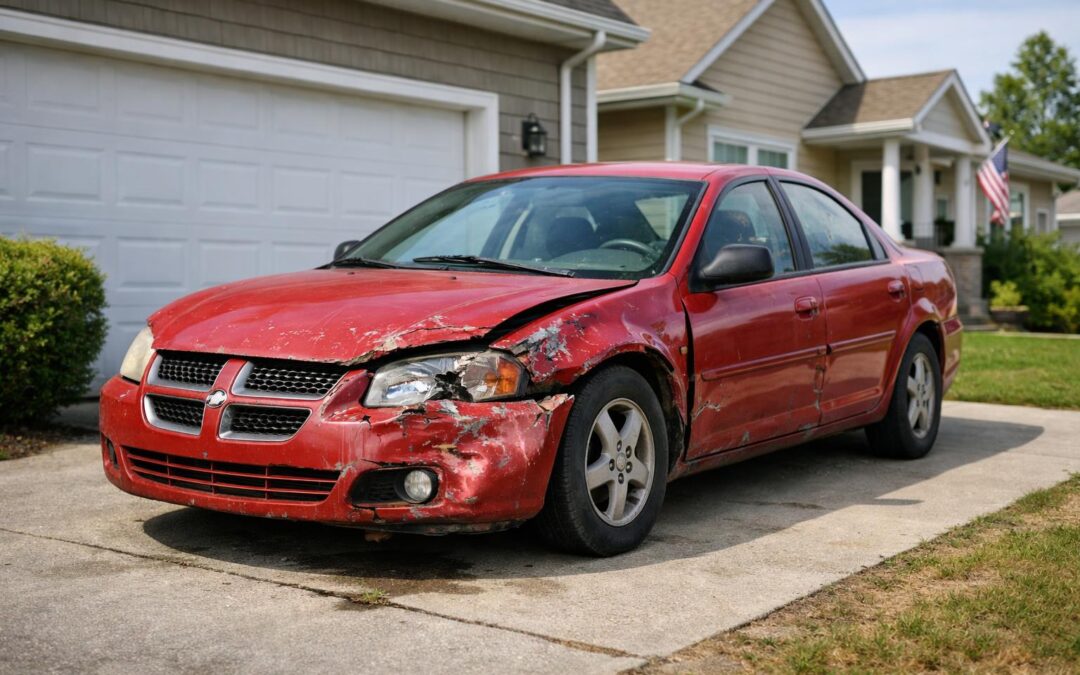
Sell Car With Accident Damage Long Island: A Complete Guide
Table of Contents
- What It Means to Sell a Car With Accident Damage on Long Island
- Assessing the Damage and Value of Your Car
- Repair or Sell As-Is: What Makes Sense on Long Island
- Where to Sell a Car With Accident Damage on Long Island
- Paperwork and Legal Requirements in New York
- How to Prepare Your Damaged Car for Sale
- Negotiating the Best Price for a Damaged Vehicle
- Common Mistakes to Avoid When Selling a Wrecked Car
- Frequently Asked Questions About Selling a Damaged Car on Long Island
- Conclusion: The Smart Way to Sell a Damaged Car on Long Island
What It Means to Sell a Car With Accident Damage on Long Island
Selling a car with accident damage on Long Island is very different from selling a clean, undamaged vehicle. Buyers, dealers, and specialized damaged-car buyers all factor in the cost of repairs, safety concerns, and the vehicle history when making offers.
On Long Island, where driving conditions, salt air, and busy traffic already affect vehicle value, visible accident damage or a branded title can significantly reduce what traditional buyers are willing to pay. That is why understanding your options and the local market is essential before you advertise your car.
Whether your vehicle has minor cosmetic issues or major frame damage, you can still find a buyer. The key is to be honest, prepared, and realistic about value, and to choose the right sales channel for your situation.
Assessing the Damage and Value of Your Car
Before you sell your car with accident damage on Long Island, you need to know exactly what you are working with. This means understanding both the physical condition and the market value of the vehicle.
Types of Damage That Affect Value
- Cosmetic damage: Scratches, dents, chipped paint, and minor bumper damage.
- Structural or frame damage: Bent frame, misaligned body panels, and safety-compromising impact damage.
- Mechanical damage: Engine, transmission, suspension, or braking system issues caused by the accident.
- Airbag deployment: Deployed airbags usually indicate a severe impact and can be expensive to replace.
- Flood or water-related accident damage: Often more serious and can lead to long-term electrical problems.
How to Estimate Value on Long Island
Valuing a damaged car involves more than just looking up a price guide. You will want to start with a typical market value for a similar, undamaged car and then subtract the cost of repairs and the buyer’s risk factor.
Consider the following when estimating value:
- Year, make, model, and mileage of the vehicle.
- Extent of visible damage versus hidden damage.
- Whether the car still runs and drives safely.
- Vehicle history report showing prior accidents.
- Title status: clean, salvage, rebuilt, or flood.
If you have access to a trustworthy mechanic or body shop on Long Island, ask for a written estimate of repairs. Even if you do not intend to fix the car, that estimate helps you understand the minimum discount buyers will expect.
Repair or Sell As-Is: What Makes Sense on Long Island
Owners often struggle with the decision to repair or sell a damaged vehicle as-is. On Long Island, where labor and parts can be costly, repairs may not always make financial sense.
When It Might Pay to Repair First
- The damage is primarily cosmetic and relatively inexpensive to fix.
- Your vehicle is newer, low-mileage, and otherwise in excellent condition.
- The estimated repair cost is significantly less than the increase in resale value.
- Your insurance is covering a large portion of the repair.
When Selling As-Is Is Usually Better
- The repair costs are close to or higher than the car’s post-repair value.
- The car has frame damage or major mechanical issues.
- You need fast cash and do not want to wait for repairs.
- The title will be branded salvage or rebuilt regardless of repair quality.
In many Long Island cases, especially with older or high-mileage cars, selling as-is to a specialized damaged-car buyer, salvage dealer, or private buyer can be more cost-effective than sinking money into repairs you will not recoup.
Where to Sell a Car With Accident Damage on Long Island
Long Island offers several different paths for selling a vehicle with accident damage. Each comes with its own advantages, disadvantages, and expected payout range.
Common Selling Options
- Private buyers: Individuals looking for a project car or budget transportation.
- Local dealerships: May accept damaged vehicles as trade-ins at a reduced value.
- Damaged-car buyers: Companies or buyers who specialize in accident-damaged, non-running, or salvage vehicles.
- Salvage yards and junkyards: Buy vehicles primarily for parts and scrap metal.
- Auctions: Some sellers use local or regional auctions that accept damaged cars.
Typical Pros and Cons
| Option | Pros | Cons | Best For |
|---|---|---|---|
| Private Buyer | Potentially higher price; direct negotiation | Can take longer; buyers may be wary of damage | Cars with light to moderate damage that still run |
| Dealership Trade-In | Convenient if buying another car; quick process | Often lower offers; strict on severe damage | Owners already planning to purchase a replacement |
| Damaged-Car Buyer | Fast sale; accepts heavy damage; often towed away | Price below private sale; varies by buyer | Non-running, severely damaged, or salvage-title cars |
| Salvage or Junkyard | Buys almost any condition; same-day removal | Usually the lowest payout | Totaled, high-mileage, or very old damaged vehicles |
| Auction | Access to more buyers; competitive bidding possible | Fees, transport, and no guarantee of high price | Cars with unique value or strong parts demand |
Your choice depends on how quickly you need to sell, how badly damaged the car is, and whether you are comfortable negotiating with individual buyers.
Paperwork and Legal Requirements in New York
When you sell a car with accident damage on Long Island, you must follow New York State rules for titles, disclosures, and transfers. Failing to do so can lead to disputes or legal issues.
Title and Ownership
- You must have the current New York title in your name, free of unresolved liens or with lien release documentation.
- If the car was declared a total loss, the title might be branded salvage or rebuilt; that branding must remain on the title.
- Both seller and buyer must sign the title in the appropriate sections.
Disclosure of Accident Damage
Honesty is critical when selling a damaged car. In New York, misrepresenting the condition of the vehicle can expose you to legal claims. You should:
- Disclose any known accident history and the extent of damage.
- Provide repair invoices or insurance paperwork if available.
- Clarify whether the car is safe and roadworthy or being sold for parts only.
Bill of Sale and Other Documents
- Complete a bill of sale that lists the vehicle information, sale price, date, and notes about the damage and as-is condition.
- Remove your license plates and return or transfer them as required by New York regulations.
- Make sure the buyer knows they must register and insure the vehicle before driving it.
Keeping clear written records protects both parties and helps prevent misunderstandings after the sale.
How to Prepare Your Damaged Car for Sale
Even a car with serious accident damage can make a better impression and bring a higher price when properly prepared. You do not need to fully restore the vehicle, but strategic steps can improve your results.
Basic Clean-Up
- Remove personal items from the interior, trunk, and glovebox.
- Vacuum the interior and wipe down surfaces.
- Give the car a basic wash to make the condition easy to evaluate.
Minor, Low-Cost Fixes
- Replace inexpensive items like wiper blades or burned-out bulbs.
- Top off fluids if the car is still operational.
- Secure hanging parts or loose trim to avoid safety concerns during test drives or towing.
Gather Information and Proof
- Collect service records, repair estimates, and any insurance claim documents.
- Prepare a written summary of what happened in the accident and what was or was not repaired.
- Note any well-maintained components, such as new tires or a recent battery, which may add value.
Being organized builds buyer confidence, especially when selling a car with accident damage in a competitive Long Island market.
Negotiating the Best Price for a Damaged Vehicle
Negotiation is a normal part of selling a damaged car. Buyers know they are taking on risk, and they will often start with lower offers, particularly in areas like Nassau and Suffolk Counties where there is no shortage of used vehicles.
Set a Realistic Asking Price
- Start with an estimated value for a similar undamaged car, then subtract reasonable repair costs and a discount for hassle and risk.
- Decide your minimum acceptable price before you list the car or contact buyers.
- Leave a small amount of room above your minimum to allow for negotiation.
Communicate Clearly and Honestly
- Describe the damage accurately and emphasize what still works well on the vehicle.
- Be prepared to answer detailed questions about the accident and repairs.
- If selling as-is, state this clearly and include it in any written agreement or bill of sale.
Use Competition to Your Advantage
- Get offers from more than one damaged-car buyer or salvage yard.
- Politely mention competing offers when negotiating, without misrepresenting them.
- Be willing to walk away if an offer does not meet your minimum value.
Confident, informed sellers typically achieve better outcomes, even when the car has significant accident damage.
Common Mistakes to Avoid When Selling a Wrecked Car
Many Long Island owners unknowingly lower their payout or create problems by making avoidable mistakes. Keeping these pitfalls in mind can save time and money.
Under-Disclosing or Hiding Damage
- Failing to reveal accidents or major repairs can destroy trust and may be legally risky.
- Buyers might walk away entirely if they discover undisclosed issues during inspection.
Over-Investing in Repairs
- Spending more on body work or mechanical repairs than you can recover in a sale is very common.
- Before any major repair, compare the estimated cost with the realistic selling price after repairs.
Accepting the First Offer Without Comparison
- Some sellers jump at the first cash offer, which may be far below market.
- Compare multiple quotes, especially from different damaged-car buyers and salvage yards.
Neglecting Proper Paperwork
- Not properly transferring the title or failing to use a bill of sale can cause registration or liability issues later.
- Always document the sale clearly and retain copies of signed documents.
Frequently Asked Questions About Selling a Damaged Car on Long Island
How much is my accident-damaged car worth on Long Island?
Value depends on the type and extent of damage, vehicle age, mileage, and whether it still runs. A common method is to check the value of a similar undamaged car, then subtract realistic repair costs and an additional discount for risk and inconvenience. Severely damaged or non-running vehicles often sell for their parts and scrap value.
Do I have to tell buyers about past accidents?
Yes. You should always disclose known accidents and damage, especially if the car has a salvage or rebuilt title. In New York, misrepresenting the condition of a vehicle can lead to disputes and legal problems. Full disclosure usually leads to smoother, faster sales and reduces the chance of complaints.
Can I sell a car with a salvage title on Long Island?
You can sell a car with a salvage or rebuilt title, but you must be clear about the title status and what it means. Many private buyers are cautious about salvage titles, so these vehicles are often sold to damaged-car buyers, rebuilders, or salvage yards. Expect lower prices than for comparable clean-title cars.
Is it better to trade in my damaged car or sell it myself?
Trading in at a dealership is convenient if you are buying another car, but offers are usually lower, especially for heavily damaged vehicles. Selling directly to a damaged-car buyer, salvage yard, or private buyer can bring a higher price, but takes more time and effort. The best choice depends on how quickly you need to sell and how much work you are willing to do.
Will a non-running car still sell on Long Island?
Yes. Non-running cars with accident damage are commonly sold to salvage yards, damaged-car buyers, and parts specialists. These buyers usually provide towing, sometimes at no additional cost, and factor transport into the price they offer. While the payout is lower than for a running vehicle, you can still recover value rather than paying for storage or disposal.
What documents do I need to sell a damaged car in New York?
You typically need the New York title in your name, a valid ID, and a bill of sale that includes the sale price, vehicle information, and as-is condition. If there is a lien on the title, you need a lien release or proof that the loan is paid off. Always remove your plates and follow New York Department of Motor Vehicles rules when you complete the sale.
Should I repair minor cosmetic damage before selling?
It can help, but only if the repair cost is low relative to the expected increase in sale price. Minor touch-ups, cleaning, and simple fixes may be worth doing. However, significant paint work, body repairs, or mechanical work on an older or high-mileage car may not pay off financially.
How fast can I sell a car with accident damage on Long Island?
If you work with a damaged-car buyer or salvage yard, sales can often be completed in one to two days, including vehicle pickup. Private sales may take longer, depending on demand, pricing, and how clearly you present the condition. Being prepared with paperwork and a realistic price speeds up the process.
Can I still get cash if the airbags deployed?
Yes. Deployed airbags indicate a serious accident and lower the car’s value, but many buyers still purchase these vehicles for parts, rebuilding, or scrap. The offer will reflect the cost of airbag replacement and any related damage, so expect lower numbers than for cars without airbag deployment.
Conclusion: The Smart Way to Sell a Damaged Car on Long Island
Selling a car with accident damage on Long Island is entirely possible, whether your vehicle has light cosmetic issues or serious structural problems. The most successful sales come from owners who understand their car’s condition, know the local market, and choose the right type of buyer.
By assessing the damage accurately, deciding whether repairs make financial sense, preparing your paperwork, and comparing offers from different buyers, you can turn a damaged vehicle into cash without unnecessary headaches. With honest disclosure and a realistic price, you can move on from an accident-damaged car and put its remaining value to better use.
