
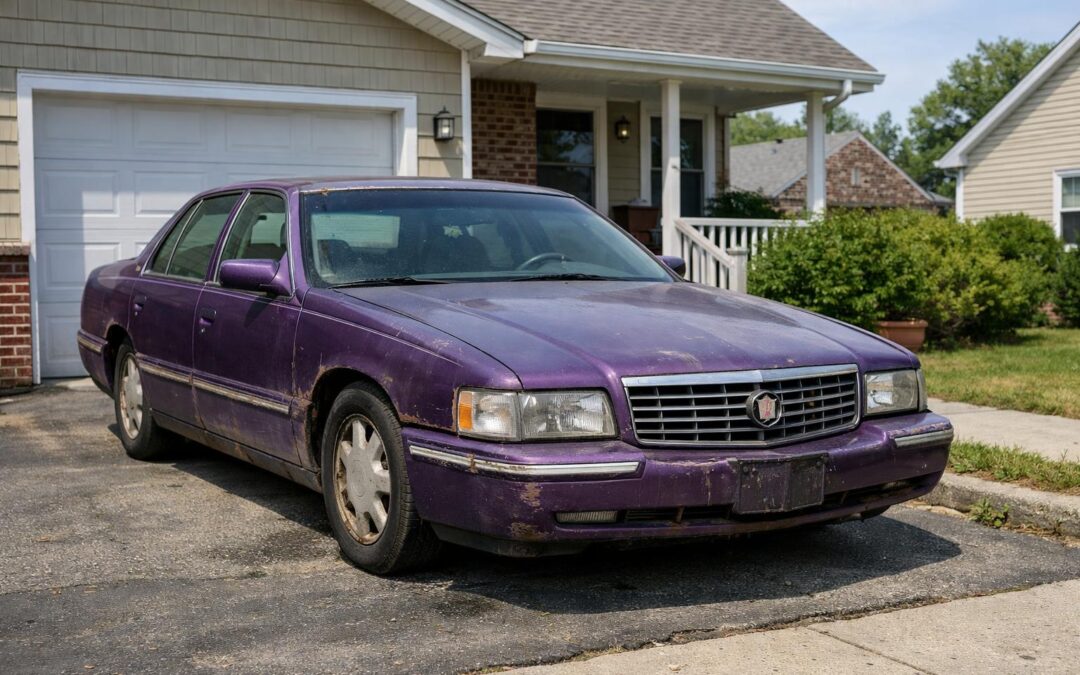
Vehicle Recycling Long Island NY: A Complete Guide for Local Drivers
Table of Contents
- What Is Vehicle Recycling?
- Why Vehicle Recycling Matters on Long Island
- How Vehicle Recycling Works in Long Island NY
- Types of Vehicles Commonly Recycled
- What Happens to Your Car’s Parts and Materials
- Environmental and Community Benefits
- How to Prepare Your Vehicle for Recycling
- Understanding Cash-for-Cars and Scrap Values
- Vehicle Recycling vs. Junk Car Removal
- Frequently Asked Questions About Vehicle Recycling on Long Island
- Conclusion: Making the Most of Vehicle Recycling Long Island NY
What Is Vehicle Recycling?
Vehicle recycling is the process of dismantling end-of-life vehicles and recovering usable parts and raw materials. When you no longer want or need your car, truck, or SUV, a recycler can safely drain fluids, remove reusable parts, shred the remaining metal, and send it off to be melted and repurposed.
On Long Island NY, vehicle recycling usually involves:
- Buying your unwanted or damaged vehicle
- Towing or picking up the car from your location
- Dismantling, draining, and depolluting the vehicle
- Reselling quality parts and recycling metals
This process keeps derelict vehicles off local streets and driveways while turning them into valuable resources.
Why Vehicle Recycling Matters on Long Island
Long Island has dense neighborhoods, limited parking, and sensitive coastal environments. Vehicle recycling is especially important here for several reasons.
- Space is limited: Old vehicles take up driveway, yard, and street space that could be used for daily parking or other needs.
- Environmental protection: Abandoned vehicles can leak oil, fuel, brake fluid, and coolant into soil and groundwater.
- Storm and flood exposure: Coastal storms can spread pollutants from old vehicles across neighborhoods and waterways.
- Community appearance and safety: Junk cars can become eyesores, attract pests, or create hazards for children.
Recycling vehicles on Long Island NY reduces pollution, frees up space, and supports a cleaner, safer community.
How Vehicle Recycling Works in Long Island NY
The vehicle recycling process is fairly simple for owners, but there is a lot happening behind the scenes. Here is a straightforward breakdown of how it typically works on Long Island.
1. Getting a Quote
You contact a local recycler or junk car buyer with basic vehicle details:
- Year, make, and model
- Overall condition (running or not, damage, rust)
- Title status and location
They give you an offer based on scrap metal prices, parts demand, and condition.
2. Scheduling Pickup or Drop-Off
You either schedule a tow from your home, workplace, or storage lot, or you drive the vehicle in if it is still roadworthy. Many Long Island recyclers offer same-day or next-day pickup depending on your location and timing.
3. Paperwork and Payment
At pickup or drop-off, you provide your title and identification if required. The recycler completes the transfer, pays you (often in cash or check), and you remove your license plates according to New York State guidelines.
4. Dismantling and Depollution
Once at the facility, the vehicle is:
- Drained of fluids (oil, coolant, fuel, brake fluid, transmission fluid)
- Stripped of reusable parts (engines, transmissions, alternators, doors, glass, tires)
- Shredded and separated into different materials (steel, non-ferrous metals, and other remnants)
5. Material Recovery
The recovered metals and materials are sent to mills and manufacturers to become new products, often including new vehicles, building materials, and appliances.
Types of Vehicles Commonly Recycled
Vehicle recycling on Long Island NY is not limited to passenger cars. Many different types of vehicles can be processed.
- Passenger cars and sedans used for commuting and daily driving
- SUVs and crossovers common in family households
- Pickup trucks and vans used by contractors and small businesses
- Commercial vehicles such as work trucks, cargo vans, or small fleet vehicles
- Damaged vehicles from accidents, floods, or severe mechanical failures
- Non-running or incomplete vehicles that have been sitting for years
In general, if it is mostly metal and was once registered for the road, there is a strong chance it can be recycled.
What Happens to Your Car’s Parts and Materials
Vehicle recycling is about far more than crushing a car. Many components are carefully separated and repurposed. Here is a basic view of how the main materials are handled.
| Vehicle Component | What Typically Happens |
|---|---|
| Steel and Iron | Shredded, melted, and reused for new metal products and structures. |
| Aluminum | Separated and recycled, often into new auto parts and consumer products. |
| Engines and Transmissions | Inspected; some are rebuilt or sold as used parts, others are scrapped. |
| Batteries | Sent to specialized facilities where lead and plastics are recovered. |
| Tires | Reused if in good condition, or processed into crumb rubber and other products. |
| Fluids | Safely collected, filtered, and either recycled or disposed of according to regulations. |
| Glass and Plastics | Some can be recycled; others are separated as residual waste depending on condition. |
By breaking vehicles down this way, recyclers in Long Island NY divert a significant amount of material from landfills and reduce the need for new resource extraction.
Environmental and Community Benefits
Vehicle recycling provides multiple benefits to both the environment and the local population.
- Reduced raw material demand: Recycling metal from vehicles lowers the need for mining and processing new ore.
- Lower energy use: It generally takes less energy to recycle metal than to produce new metal from raw materials.
- Pollution prevention: Proper handling of fluids and chemicals helps prevent contamination of Long Island’s soil and waterways.
- Cleaner neighborhoods: Removing junk cars improves curb appeal and can help maintain property values.
- Support for local jobs: Auto recyclers, tow operators, and related businesses all contribute to the regional economy.
Each recycled vehicle on Long Island NY represents fewer environmental risks, more recovered resources, and a tangible improvement in how neighborhoods look and feel.
How to Prepare Your Vehicle for Recycling
Preparing your vehicle properly makes the recycling process smoother and can help you avoid delays or complications.
1. Locate Your Title and Documentation
In most cases in New York, you will need the vehicle title to complete the sale and transfer. If your title is lost, you may need to request a replacement before recycling the vehicle.
2. Remove Personal Belongings
Check every area of the vehicle.
- Glove box and center console
- Trunk and under-floor storage
- Seat pockets and under seats
- Door pockets and sun visors
Once the car is recycled, it is usually impossible to retrieve any forgotten items.
3. Take Out Aftermarket Add-Ons You Want to Keep
If you have a removable stereo, dash camera, child car seat, or other accessories you wish to reuse, remove them before the vehicle is picked up.
4. Follow Plate and Registration Rules
New York State requires that you handle license plates and registration properly. This often includes removing the plates and returning them or transferring them, and notifying the DMV or your insurance company about the vehicle’s status.
5. Be Honest About the Vehicle Condition
Provide accurate information when requesting a quote. Honest details help ensure the quoted price and avoid last-minute changes when the vehicle is picked up or inspected.
Understanding Cash-for-Cars and Scrap Values
Many Long Island NY recyclers and buyers advertise cash for cars, junk cars, or scrap vehicles. Actual payouts can vary based on several factors.
- Weight and metal content: Heavier vehicles with more metal typically bring higher scrap values.
- Parts demand: Popular models with good parts may be worth more because recyclers can resell components.
- Condition: Running vehicles, or those with usable engines and transmissions, can sometimes command higher offers.
- Market prices: Global and regional scrap metal prices change frequently, affecting your quote.
- Distance and towing: Location on Long Island (for example, far East End versus more central areas) may influence pickup logistics.
Because of these variables, it is common to request a few quotes from different buyers before choosing where to recycle your vehicle.
Vehicle Recycling vs. Junk Car Removal
The terms can sometimes be used interchangeably, but there are subtle differences between vehicle recycling and simple junk car removal.
Vehicle Recycling
- Focuses on recovering and reusing parts and materials
- Tends to follow strict environmental handling practices
- Usually offers payment based on scrap and parts value
Junk Car Removal
- Can refer simply to removing an unwanted vehicle from a property
- May or may not emphasize material recovery
- Sometimes charges a fee, depending on the condition or location of the vehicle
On Long Island NY, many businesses combine both services, offering to remove your junk car and ensuring it is responsibly recycled.
Frequently Asked Questions About Vehicle Recycling on Long Island
1. Do I need a title to recycle my vehicle in Long Island NY?
In most cases, yes. A valid title is usually required to transfer ownership. Some buyers may have processes for special cases, such as very old vehicles, but these situations are handled individually and must follow New York State regulations.
2. Will the recycler pick up my car if it does not run?
Yes. Many Long Island vehicle recyclers regularly pick up non-running or severely damaged vehicles. Towing is often included in the offer, but it is wise to confirm this when requesting your quote.
3. How much money can I expect for my junk car?
The amount depends on weight, condition, parts demand, and current scrap prices. Smaller, older cars in poor condition may bring modest amounts, while larger or more desirable models can be worth more, especially if they have reusable parts.
4. What should I do with my license plates?
New York guidelines generally require removing your license plates before the vehicle leaves your possession. You may need to return them or transfer them and update your registration and insurance. Always verify the current rules with the appropriate state resources.
5. Is it better to sell my car privately or recycle it?
If your vehicle is in good mechanical condition and can pass inspection, a private sale might bring more money. However, if it is badly damaged, not running, or not worth repairing, recycling is often faster, simpler, and more practical.
6. Are hybrid or electric vehicles recycled differently?
Hybrid and electric vehicles require special handling for high-voltage batteries and components. Some Long Island NY recyclers are equipped to process them, while others may refer you to specialized facilities. Always disclose if the vehicle is hybrid or electric when requesting a quote.
7. How long does the vehicle recycling process take?
From your perspective, the process can be very quick. Once you accept an offer, many recyclers can schedule pickup within a day or two, and the actual pickup often takes less than an hour. The full dismantling and recycling process at the facility takes longer, but it is handled entirely by the recycler.
8. Will I receive proof that my vehicle was recycled?
You should receive documentation showing the transfer of ownership and sale. Some recyclers may also provide receipts or letters confirming that the vehicle is being processed as scrap or for parts, which you can keep for your records.
9. What if my vehicle has been sitting for years without registration or inspection?
Many recyclers can still buy and remove vehicles that have been off the road for a long time. The key issue is typically having proper ownership documents and accurate information about where the vehicle is located and whether it is accessible for towing.
10. Is vehicle recycling on Long Island NY safe for the environment?
When done by reputable, compliant facilities, vehicle recycling is designed to be environmentally responsible. Fluids are captured, batteries are handled properly, and scrap materials are directed to regulated recycling channels, helping protect Long Island’s land and waterways.
Conclusion: Making the Most of Vehicle Recycling Long Island NY
Vehicle recycling on Long Island NY offers a practical way to clear space, earn money for unwanted vehicles, and support a cleaner environment. By understanding how the process works, preparing your car properly, and choosing a responsible recycler, you can turn an old or damaged vehicle into a useful resource.
Whether your car is no longer running, has failed inspection, or has simply reached the end of its useful life, recycling it ensures that valuable metals and components are recovered, hazardous fluids are managed safely, and your property and neighborhood benefit from a cleaner, more organized appearance.
When you are ready to part with your vehicle, considering local vehicle recycling options in Long Island NY is a smart, environmentally conscious decision.
